Your feet change as you age, but that doesn’t mean you have to give up running, walking, or the activities you love.
In this episode of The Health Fix Podcast, Dr. Jannine Krause brings Dr. Don Kim back for part two of the conversation on functional foot health. They explore why feet can become flatter, wider, and weaker over time, how hormonal changes affect foot structure, and what you can do to support your feet as you get older.
From choosing the right shoes and strengthening your foot muscles to nutrition, collagen, and common foot problems, Dr. Kim shares his approach to helping people maintain healthier, stronger feet.
We also discuss plantar fasciitis, heel pain, bunions, fungal toenails (and what it takes to get rid of them), barefoot walking, and the growing popularity of cushioned footwear. You’ll learn why the best shoes depend on your individual foot type, why transitioning to barefoot walking too quickly can cause problems, and how simple exercises like arch doming can help build foot strength.
Plus, we explore the role of nutrients such as magnesium, vitamin C, vitamin D, omega-3s, and collagen in supporting connective tissue and healthy aging. We also discuss bone broth (and Dr. Kim’s Korean broth recipe), foot soaks, and the importance of getting an accurate diagnosis when dealing with persistent toenail changes.
If you want to stay active for life you have to support your feet as you age!
And if your feet are hurting you it’s time to hear what they are telling you about your overall health.
Dr. Krause’s Protocols
Instructions Included
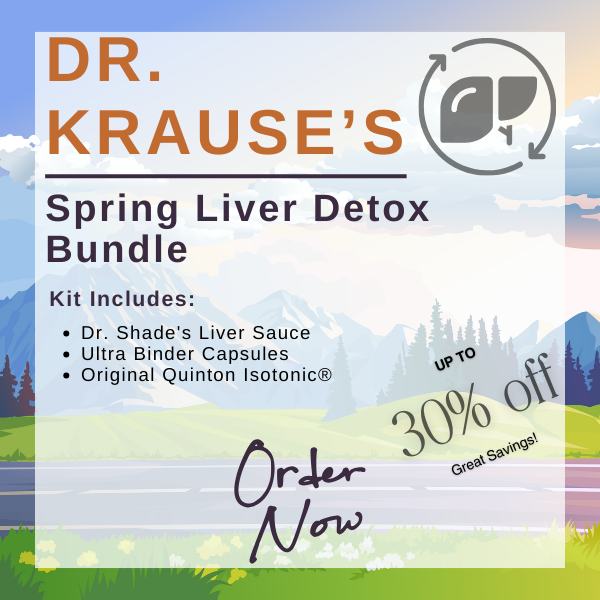
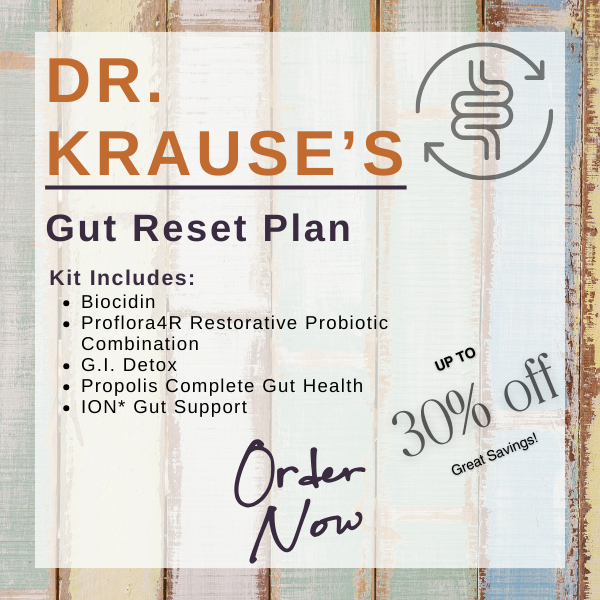
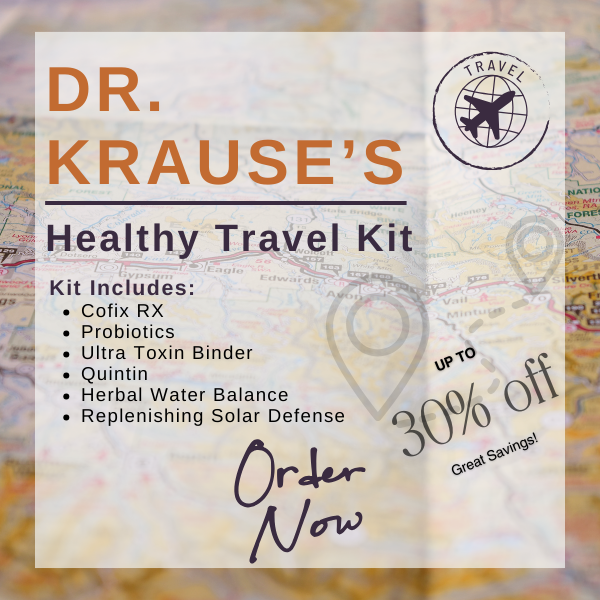
Traveling soon? Looking to detox or reset your gut? Try one of Dr. Krause’s Fullscript plans.

In This Episode, You’ll Learn:
- Why your feet can become flatter, wider, and weaker as you age
- The impact of pregnancy and hormonal changes on your arches and foot structure
- Why it’s so import to strengthen your core foot muscles
- How to perform arch doming and other foot-strengthening exercises
- Why cushioned running shoes aren’t the best choice for walking
- What to consider before switching to barefoot walking
- How foot type, activity level, and body weight influence foot health
- What does and doesn’t contribute to plantar fasciitis, heel pain, and bunions
- How magnesium, vitamin C, collagen, and other nutrients support connective tissue
- The dietary connection to persistent toe nail fungus
- What to know about detox foot pads and foot soaks
- How Dr. Kim approaches foot health as part of a broader wellness plan
About Dr. Don Kim
Dr. Don Kim specializes in functional foot health and functional podiatry and he’s on a mission to help people better understand the relationship between foot mechanics, movement, and overall wellness.
Learn more at KimFoot.com and K Wellness.
Resources Mentioned
- Chemical Free Body Super Detox Bundle: https://chemicalfreebody.com/thehealthfix
- Organic Energy Juice: Available through Chemical Free Body
- Dr. Don Kim: https://kimfoot.com
- K Wellness: https://kwellness.com
Connect with Dr. Jannine Krause
Check out Dr. Krause’s Website for more resources and subscribe for more conversations on functional medicine, longevity, brain health, hormones, nutrition, and natural strategies to optimize your health.
Be sure to Like, Subscribe, and Share this episode with anyone looking to live pain free for life!
Our Partners




Podcast Transcript
Jannine Krause (00:01.105)
Doctor Kim, welcome back to the Health Fix podcast.
Dr Kim (00:04.386)
Thank you for having me back.
Jannine Krause (00:06.823)
Well, we had so much to talk about last time and definitely wanting to talk more about some of the interventions. Cause I I got a little bit of interventions from you, but one of the biggest things that I hear from women all the time is like, why is it that my feet hurt after 40? Why is that I go for a run and now I can’t get my heel to stop hurting? What what are all the like risk factors and and things of that nature that you’re seeing that contribute?
to foot stuff. And I know that’s a huge question to like lead off with, but I I’m gonna let you dive in and kinda carry carry the weight there on terms of what you wanna answer first and in terms of helping us out with these feet.
Dr Kim (00:47.67)
Yeah. So we’ll we’ll we’ll start with the mechanical issue first and then obviously ladies dealing with hormonal issue as you know. So I can I can delve into that. I c I can I can take you anywhere you want, but the the mechanical pi problem is everybody’s going through that, whether you’re men or women. So as we get older, we’re getting basically
flatter and wider. Okay? It’s just our progression of our aging and theirs is obviously it’s it’s us. We’re not active enough. We’re not moving enough. We’re not walking enough. We’re sitting most of our days. So naturally your foot’s gonna get weaker.
There are 19 muscles on the bottom of the or 12 muscles on the top of the foot and then 17 muscles at the bottom of the arch here. We call them foot core muscles. So it’s like your it has a six pack underneath your arch. Seventeen muscles. Okay, we call them intrinsic muscles because they start within the foot and then end up in the within the foot. There are ten extrinsic muscles that are coming down with the tendon from the calf area that move the toe and everything else, but there are nineteen intrinsic muscles that are
e even more important than the calves and other muscles because they’re not being utilized even while you’re walking as much. So you have to strengthen those. And we’re not nobody’s really strengthening. I had a really I had a video that I kind of launched last week and it it’s got a lot of views now because everybody’s going like, well, what’s a foot foot core muscles? So I teach people how to strengthen the muscles here. But the problem is as we get older, especially ladies go through several stages of your
hormonal effects, especially you have you have babies. When you have babies as you know, our b body produces relaxant, which is our hormone that relaxes your body so that the baby can come through. Okay? When that happens, your all everything, all your tendons and arches and everything else gonna be loo loose. And they all come back after the baby and they go like, you know, Dr. Kim, I can’t wear the same shoe anymore because my feet grew. Well your fit didn’t really grow. It got flatter and wider as as that happened because of the hormonal issue. And as we get older ladies go through
Dr Kim (02:54.294)
More hormonal issue, so it gets more even more flexible. And then on top of that, we’re not walking enough or strengthening enough of these muscles, so it gets weaker. So over time, it’s going to get flatter and wider. So when that happens, especially that joint that we talked about last time, the ball and socket joint, when that gets flatter, your whole 26 bones of the foot become very flexible, and you have no strength anymore. And then your muscles are getting weaker, we’re not active enough, and all that is compound.
into the effect that I can’t do all the things that I used to do, I cannot run anymore, you know, my shoes don’t fit, you know, everything’s kind of a chaotic in that in that way. So on top of that our shoes unfortunately are not designed well.
And this is a big problem for a lot of people come they bring a whole like bag of shoes and want me to evaluate all of them, which I do a lot. But most of the shoes the problem we have is that it’s it’s too foamy, is too high and it’s too unstable. Not all shoes, but a lot of shoes are like that because everybody’s looking for comfort.
They’re not looking for stability or support because they want something lighter, they want something more foamy. But you know those some of the shoe brands are really popular, everybody’s wearing those. The problem is
depends on your foot type. I think we did talk about the foot type a little bit last time. If you have a rigid high arch foot type, then you can pretty much wear anything you want. Like even like sandals and things like that be would that be fine with it. But if you have a flexible flat foot type to begin with, then those light foamy shoes are comfortable but not very supportive. So people ask me all the time, well should I be wearing this or that? I said, Well depends on your foot type. If you have a flexible flat foot type then you should not be wearing those foamy
Dr Kim (04:40.943)
you know, light, unstable, you know, everybody’s wearing running shoes for walking. No, they’re walking shoes. Walking shoes have leather tops that are a little heavier, so not very popular, but that’s a lot more stable shoes than the running shoes. Running shoes are light because you have to run, but everybody’s wearing that because it’s light, it’s comfortable. Well, not for everybody. You know, so that’s you have to really know your foot type and then cater to different type of shoes. Like if if you wanna if you don’t know like exact
you know the more stable shoes that I recommend is the Brooks. Brooks have the most stable mid soles and heel counter overall a little bit bulky but most stable shoes. And if you want just walking then I recommend walking shoes. I don’t recommend running shoes. Even though it’s lighter and more popular doesn’t mean you know it’s better for your walking. So it depends on your activity. There’s a reason that you have you have running shoes and walking shoes right so but everybody’s wearing running shoes for walking. So that’s one
Jannine Krause (05:40.509)
Yeah.
Dr Kim (05:40.746)
one issue. Depends on your foot type too. So yeah, so that’s why a lot of people cannot do all the stuff that they used to when they’re younger, now they can’t do it anymore because you go through all these stages of aging plus lack of activities plus wearing shoes. You know, shoes I call them foot coffin.
Jannine Krause (05:43.385)
okay.
Jannine Krause (05:57.662)
Yeah. Yeah.
Dr Kim (05:58.338)
You go in there to die because it’s too stable, it’s too much and then your toes are not moving in there as much, right? And then and then it kind of weakens the foot structure and really you’re not really strengthening the the foot core muscles I call it, it’s very important muscle that we’re not utilizing too much. So you have to do a lot of you know, I I I give an example of a foot doming exercise. You keep the big toe down and then you you lift the lift the arch up or down, up or down. We call arch doming, meaning you you you
create a dome effect. You do that like periodically and that really strengthen this and that’s really gonna be very important exercise that everybody needs to be doing daily.
Jannine Krause (06:38.215)
Okay. So I got a couple questions for you, if I may interject. Because one questions I get, but two like things that I question about as well. The foot coffin thing, absolutely, and and also the cushion-y shoes, like I feel that so many people are just wearing them because they’re comfortable, but we need to be thinking, you know, okay, yes, if your feet hurt, yes, you might want the comforting shoes, but we might want to be thinking about why they hurt before we go towards the comforting shoes.
Dr Kim (06:41.047)
Sure. Yeah.
Jannine Krause (07:08.157)
So my question goes to there’s a lot of noise out there in terms of going barefoot, walking barefoot in your home, not having slippers and sandals on, just throw some socks on instead. What is your take on this in terms of that type of recommendation? Now I understand that we need to do some exercises, but would walking barefoot count also as an exercise or at least something to help?
Dr Kim (07:32.822)
Yes. But it’s just like let’s say you’re going on a you know, I have a lot of my patients going on a half marathon, a marathon. They train for like three, four months. Okay, and they have a training schedule and they get really frustrated, they hurt their foot. I had a guy yesterday, he was running
had marathon n like two weeks from now and then he had a gout flare up. I mean he couldn’t even like walk, okay? So I had to give him injections and all that. So a lot of people are like so like into doing these activities which is great. But you have to prepare, right? It’s like going barefoot on these days on a hard floors or marble floors or those hard floors, even in shower
You need cushion, at least in the beginning, right? Especially if you got a bony foot, as you’re getting older, you you’re losing padding at the bottom of the foot, right? Because of lack of circulation. So if you’re you you you’re walking, you know, with a really foamy good shoes during the day, and then all of a sudden you go home and take everything off and then go barefoot, no, that transition is is devastating for a lot of foot problems, right? So you need to especially if you have a neuroma, which is the nerves that are inflamed at the bottom of the foot. If you if you’re wearing like nothing and then like
Even thong, those really thin sandals, even, and then you walk around on a hard floor, that is a devastating problem. So you have to transition into that like you’re you’re getting ready for the marathon. You you have to do it slowly. Yes, you’re absolutely right. Going barefoot is absolutely important and helpful, beneficial for your feet. But like a marathon, marathon or running or those exercises is great, right? But you cannot like all of a sudden do it, right? You have to kind of prepare your feet to do it.
to kind of do a lot of those exercises. We’re talking about, you know, like you know, people know about the you know the the the towel crunching and marble grabbing, all those to really strengthen those. And then what happens is when you strengthen those, your muscle is gonna be building up and then when you have muscles then more circulation is gonna go there. Okay? And that’s the problem. When you lose muscle there’s no blood circulation there. So guess what? No oxygen, no padding, okay? Because you need oxygen to get the fat path to come back, right?
Dr Kim (09:42.176)
So that’s the problem is that you don’t have a whole lot of fat pad and then all of a sudden that transition quickly from the foamy shoes into the barefoot, very dangerous situation. So you have to do it slowly. So I would I usually recommend if you got a hard floor, do not go barefoot. Period. Just go get some kind of a support. I I recommend higher support, obviously. High there’s a lot of higher arch sandals, there’s UFOs, there’s bionics, there are a lot of different you know kinds you can just put higher sandals and it would come out. And then I would recommend
That inside the shoes because it’s it’s comfortable and then it’s foamy, but that’s what you need. You want more foamy, comfortable on the hard floors because it’s very dangerous. You can cause metatalsalgia to bone issues to the nerve issues. There are a lot of things can happen. Even in the shower, I recommend having some kind of shower sandal because you’re you’re standing a lot longer than you think in the shower. So that’s really devastating, especially if you have a problem on the bottom of the foot. Whether you have a heel pain, whether you have a metatalgia, you have a neuroma problem, these are all the bottoms.
of the foot plane and these requires a lot of cushion even a support like an higher sandal kind of a support so that’s what I recommend to transition into but the barefoot walking barefoot walking especially if you’re flat footed
Jannine Krause (10:52.115)
Okay.
Dr Kim (10:55.787)
You should not do that right away. You need to be transitioning into it. You need to you need to strengthen your feet, you need to do all those things. And so it takes some responsibility and kind of preparing before you go barefoot. Just like going on a marathon or walk-a-thon or some some kind of activities.
Jannine Krause (11:14.013)
Okay. And for those of us that don’t have any foot pain and we’re we’re wanting to prevent issues, go barefoot, do whatever.
Dr Kim (11:23.089)
carefully. Like I said, depends on depends on your foot type. Depends on I hate to put it this way, depends on your weight. If you are fifty pound overweight and that is devastating, you you are going to have a foot problem. Because we we all have I tell people, okay, this is hard to do, but I people ask me all the time, well how much should I lose? I say, Well, go back to your college weight. I’m in my college weight right now, okay?
I’m little skinny because I’m older now, but that’s what I recommend people. If you can get closer to your college weight, then you probably safer to go back to your more of a not wearing shoes and be able to do that. But as you know, as you gain weight, every step you take, you’re doubling the weight of your body.
‘Cause you’re suspended. The other side is not weight on it. The one side is weight on it. So every step you take, you’re doubling the step of your whole body right into the one foot and that’s devastating. If you gain thirty pounds, that’s gonna be sixty pounds per step.
you’re putting extra. If you’re running, that’s triple, right? So you have to be really cautious about going barefoot, especially if you gain a lot of weight. If you’re trying to lose weight, then you need more support and all that. And get get get to the ideal weight weight as quickly as you can. Obviously that’s always been a big problem for everything else, right? Not only your feet problem, but it’s devastating. Especially for your knees. If you’re flat footed, we talked about this last time. When you’re flat footed your knee’s gonna turn in, it’s gonna start grinding the in step of the knee.
And same thing with if you a high edge foot to the outside so that balance is when the balance is out, that’s it’s gonna start affecting, you know, the the the rest of the body, your knees and your hips and your back and all the way to the neck, right? So that’s what really needs to be taken care of first before you go on barefoot walking. That’s barefoot said, it’s great, you you better start doing it. Well, yes, but not so fast. You need to be because I see all the problem. I I have people come in, they’ve started doing all these activities and they have all kinds of problems they come and say, Well, whoa, whoa, well, you know, I don’t know what happened.
Jannine Krause (13:17.811)
Mm-hmm.
Dr Kim (13:25.623)
I didn’t do anything, I said, well whoa okay, hold up a second. What what have you been doing different, right? Then they go like, I’ve been walking more, I’ve been exercising more, I’ve been doing more, and all of that, and compounding effect, it can cause problems, especially if you have a mechanical issue and then you’ve had gained weight and I know you’re trying to lose weight, but you can’t pound on it too hard because it’s gonna affect all the rest of the body.
Jannine Krause (13:47.036)
That makes sense. That makes sense. Now, when it comes to you’re saying you’re losing the pads, right? And and obviously we lose collagen as we get older, elastin, etc. All this does decline, muscles decline too. What kind of things do you propose to folks? You know, yes, the exercises, but do you have different types of supplements, different types of tissue rebuilding go to’s? What what are you recommending to folks these days with
trying to counter the effects of of aging when it does come to our collagen and our elastin and muscles.
Dr Kim (14:21.535)
Yes, well I can I can talk a lot about that subject ’cause I I I put usually when people come in and when I ask us, Are you taking supplements? They usually take a at least a few. Okay. A lot of people are taking a few. Most commonly people take vitamin D, which is great, and then omega threes they take and then and then some people take magnesium, a lot of people don’t.
So I there are about six, seven supplements that I recommend. But if you have a plant of fasciitis, any kind of fascia or tendon issues, then you definitely need magnesium.
Because without magnesium, as you know, nothing works in the body. Okay? It’s responsible for about six hundred different reactions in the body. It’s a coenzyme to over three hundred different reactions. So you need magnesium, you need you need a lot of magnesium, actually, most people, because if you’re traveling, if you’re stressed, and if you’re not sleeping well, you know, if you’re not going to the restroom pretty well, all of that is related to you know electrolytes imbalance, especially lack of magnesium, because magnesium is just utilized so much. And most of the magnesium, as you know, are not very
Very good quality and not they’re not absorbed well. The highest one is magnesium glycinate, has about 60 to 80 percent absorption. All the rest of them is the oxalates, are the worst one. Citrate is a little bit better, but they’re like nine different magnesiums, right? So I highly recommend magnesium glycinate, that’s the most highly absorbable form of the magnesium. And I usually people ask me, Well, how do I how do I know how much to take? Well, I call them the tolerance test, it’s very simple.
You you start with about four hundred milligrams. You you you buy ones with like two hundred or four hundred, you know, not not with a thousand, not too high. And then you start taking it, you break it down. So you don’t take it like all at once. You take it in the morning, maybe in the afternoon and evening. So you start w with about what we you start I usually tell people to take it in the evening time, like you know, one pill, ’cause it it’s gonna relax you, make you sleep better. But you’re still not going to the restroom and then so next day you you take four hundred in the morning and four hundred in the evening and then you’re still not going.
Dr Kim (16:18.095)
And then you start increasing, okay? Guess what? I take sixteen hundred a day. Okay. That’s my dosage. How do I figure that out? Because I keep adding more and then I started having really loose tool. But it’s a really feel good
movement. It’s not like diarrhoea movement. It’s not like watery, but it’s it’s feel good. Then you cut back a little bit, maybe two hundred to four hundred cut back, then that’s the dosage. That’s how you determine because the magnesium, as you know, only one percent is in the blood, the rest of it is in the cell. So you can test the magnesium but it won’t show anything. So that’s really unfortunately there’s really no good way to figure out how much you need. Everybody needs a different you know, if you’re highly like triple A personality like me and then I’m like doing hundred different things every day, then I need a lot more, right?
So everybody requires different kind of magnesium. So I would definitely do magnesium, that’s going relax it. Everything else, especially tendon, it’s going to obviously help regenerate. And then vitamin D and K, obviously, that combination, not just D but K, because D and K is very important. Obviously vitamin C is really important. Why? Because the collagen, as you know, does not form without vitamin C.
I tell people collagen, obviously you have to take the collagen. You know, I take pills plus I put it on my protein shake, okay? That’s how how much we need because it it forms everything else, right? It forms your skin, your hair and nail, and then it forms your bones. So as you age, collagen is one of the probably most important things and we’re just not ingesting enough. Okay. I I have bone broth soup that I eat every week, because we’re Koreans, we we boil everything and then we put all kinds of spices, that’s how we do it. I do at least two, three times a week with that, plus I take the pills and then I take the the protein shake. I’m a little bit crazy.
crazy collagen guy, so I do that, but you have to do it with vitamin C. Vitamin C is like I tell people I said collagen is like bricks. When you’re building house, you like like bricks. Vitamin C are the cement that put the bricks together. So without vitamin C you can take all the collagen you want but you cannot build rebuild all the tissues.
Jannine Krause (18:08.829)
Mm-hmm.
Dr Kim (18:14.197)
As you know the collagen is thirty percent of our protein has to be, right? So but we’re taking a lot of people taking prop protein but they’re not taking collagen, which is a big problem for aging, bone issue, skin issue, hair issue, nail issue, all of that is from lack of collagen plus vitamin C. Okay, vitamin C I w usually recommend. vitamin C is another thing that I highly recommend people unless you’re eating tremendous amount of vegetables and and you know, like your fruit. So most people don’t. So I I take I take it divide into three different
Jannine Krause (18:14.355)
Sure.
Dr Kim (18:44.121)
doses, I take two thousand in the morning and then two thousand and the lunchtime I take two thousand. So I w I take about six thousand you know milligrams per per day and then when I’m not feeling well, if I’m if I’m traveling and if I feel like everybody’s around me are sick, you know, they’re coughing at me, you know, and they’re everybody’s gonna like, the food’s gonna run and going crazy and I said, okay well I’m just gonna double it.
Jannine Krause (18:59.984)
Mm.
Dr Kim (19:07.277)
Okay, so that’s what I do, double or triple sometimes ’cause it depends how I feel, right? So I I really get sick and this is one of the things that I recommend people ask me all the time, Well what do I do? I’m getting sick all the time. I have kids that they bring all the stuff to me and then you know, all they’re very sick in the in the half school. What? Vitamin C. It’s cheap.
You know? And it’s it’s really effective and that’s that’s what I do. And these are the ingredients that I recommend for any kind of tendon issue, any kind of regenerating issue ’cause everybody requires these things to regenerate. Obviously omega three for sure. you know, and vitamin B for energy. You know, I c I I can go to different tangent, but yeah, those are things those are the these are the basic things that I recommend. B, C D and E for the circulation and skin issue and then and then
obviously omega three for the fatty acid and then magnesium for sure and collagen and these are the basic thing that I recommend everybody take daily. And that helps with all the rebuilding of all the tissues of the whole body basically.
Jannine Krause (20:09.585)
Which I mean that makes perfect sense. That makes perfect sense. You know I’m gonna get the question though, how much collagen is is gonna be the next question. Like how many milligrams, how many grams, how many, you know, what brand? So do you have favorite brands? Do you have favorite dosing?
Dr Kim (20:15.648)
No.
Dr Kim (20:23.367)
unfortunately there’s really no good answer for that. I d I don’t I don’t think there’s any studies done on it, specifically how much is the best dosage. I recommend I do it as you get older, I say if you’re if you’re seeing yourself and if you feel that your skin’s wrinkling more and your nails not growing as well
And you you take photos and the ladies go through all this hormonal issues that you’re you’re I you I take a lot of x rays of the feet and ankle and I look I can see right away so you you got osteoporosis here, your bones are washed off, right? So obviously one of the main things you have to do to walk you have to put more pressure there, right? So that not it it requires need for the calcium and magnesium and all those things to come together, right? So it’s really important that you need to take as much my answer is as much collagen as you can. So for me
I don’t want
I don’t wanna look older, right? So I take a lot of it. I I I I make sure I take plenty of it. I eat it, right? Because those those collagen, when you boil, you know, any kind of meat, all that and the bone stock, all the minerals gonna come out and the collagen’s gonna come out, that stickiness, right? And then I put a lot of spices on it, it’s really healthy. I can meet eat the meat too, but I drink a lot of that soup. Why? Because it as you know, it it heals your gut lining, right? That’s one of the best things you can do to do. That’s why that’s why
eat chicken soup, right? When you’re sick, what happens? You eat chicken soup, right? People think it’s just comfortable. Yes, well but it’s regenerating your stomach lining, which is the most important area you need to regenerate. And then you eat all the the minerals that heals you and then the collagen with it. So I recommend people doing this more often because it’s cheaper. Collagen’s not cheap. It’s very expensive, right? And the best collagen is you can go to Costco and buy this bone stuck really cheap. That they’re literally throwing them away and then
Dr Kim (22:19.415)
buy them, you know, I do chicken soup, I do beef, you know, I can do pork, you know, I can do fish, whatever you want and boil it. And this is
One thing that I used to when I was single, my sister was living with me and sh she was busy working and I’m busy working. We don’t even see each other. Maybe we see each other a few times a week ’cause I’m working late and she’s working late, whatever. And then what she would do is she would boil this huge pot of, you know, whatever, you know, meat and boil it for six, eight hours on the weekend, a lot of spices, and then she puts it in a ziploc bag. Each ziploc bag is one meal.
Already have a lot of rice in the in the pot all the time. And then I would just come home and I had my kimchi, really really good for probiotics, and then that and then the meat that one package, boom. And then dissolve it. I’m like in five minutes I’m my meal’s ready. I’m ready to go. You know, this is like the easiest, most efficient you you freeze those ziploc bags.
Jannine Krause (23:22.792)
Yeah.
Dr Kim (23:22.943)
It’s individual, that’s one meal, and then boom boom, and then it’s really easy. I’m not telling you to do that all the time, but I think it’s you know, I I I recommend at least two to t two or three times a week. Just having that bone bras soup. One of the most effective way to get collagen, all the minerals, collagen, spices, tastes good, it’s amazing for your health and relaxing and it’s just amazing food. So that’s what I recommend. As much sorry, so I don’t have an exact dosage but
I hate it all all three different ways. I eat the bone broth soup, I take the pills, and I and I and I put in to get the powder form and I put in my protein shake every day. They’re just part of what I do. Yeah.
Jannine Krause (24:05.211)
Makes sense. Makes sense. Now of course a lot of people are gonna ask me, okay, Korean spices, what are the spices that you use in your soups? What are the things that you like to put in?
Dr Kim (24:16.257)
Well, all kinds of different chopped vegetables, right?
all kinds of vegetables chopped. you can put all kinds of pepper and you know, there’s different kind of peppers, right? Also. And then we use you know, garlic, ginger, you name it. We Koreans, you know, use a lot of garlic and ginger and everything, right? And then put that. You can put some parsley if you want. If you if you like that fall effect, you I don’t know if you like fall. I love fall, right? Faw is also good. When I go to fall shop, I I go almost everywhere, maybe I will today too. I love fall because it’s a soup.
Jannine Krause (24:42.333)
Yeah. Yeah.
Dr Kim (24:50.413)
They they have a tendon. They have a tendon suit.
specifically for collagen, right? So that’s that’s the only thing I order. Why? Because I need more collagen. So I’m always looking for more collagen everywhere I go, right? So I I get that. Even when I go to Korean restaurant, I’m always looking for more tendons and collagen, you know, ev even if I have to eat meat, because that’s what I’m always looking for. Okay? Everybody should be really looking for it. If you’re concerned about aging and not getting enough collagen, which I like I am, I’m always looking for it. Everywhere I go I said, does it have a collagen? I’m always asking.
that right. So yeah, that’s what I do. Yeah.
Jannine Krause (25:28.881)
Makes sense. Makes sense. I know for some people that may be like, Whoa, I don’t know if I could do it, but that’s why we got supplements. That’s why we got supplements.
Dr Kim (25:33.17)
Yeah, you walk
Exactly, exactly. So it’s an acquired taste. if you go to YouTube and put bone bras soup there’s a lot of recipes come up and then you can kinda try different recipes but I highly recommend it. It’s very inexpensive. Okay? And it just requires some time. On the weekends you just block off six, seven six, seven, eight hours and then just boil it and then just let it cool off in the ziploc bag and put in the freezer. Boom. You’re ready to go. Any instant like, you know. R this is instant food that is not instant. How’s that?
Jannine Krause (26:05.907)
So that’s what we need because unfortunately a lot of us are overweight because we’re we are going for the convenience foods and things of that nature. And I think, you know, there’s just this thing that happens with with perimenopause, menopause, and beyond, we gain we gain some weight at that time. And and this is unfortunately a time in which the the tendons and and bodies being affected by the declines in the hormones too. And
Dr Kim (26:06.799)
Yeah.
Jannine Krause (26:32.615)
We need to to be doing some things. Now, what other what other things might you be thinking about for folks proactively when we’re talking about foot health? So like plantar fasciitis is a really common one. What other things are super common? Like bunions and you know, I’m just like, what are the most common things you see for the feet? And what are the one the things that you can do something, like people could do something about and can they do anything about their bunions?
Dr Kim (27:00.503)
Well yes. Well the other
The most common thing that I see are the planetopasciatis, I guess. And acid synthesized in the back of the heel, back of the heel area. That’s another very common thing that I see. The bunion is a common too, and then the another most common thing I see obviously is the fungal toenail, which is which is another huge topic, right? The fungal toenails. Fungal toenail, I can go for hours on that one. Fungal toenail is a is a topic that I’ve been working on for 35 years. Do I have audience?
Jannine Krause (27:19.857)
Yes. Let’s let’s talk about
Dr Kim (27:34.08)
Answers no. Really unfortunate because well I have a lot of answers but I don’t have all the answers because I cannot change people as as quickly as I want to. Because most people think that fungus is I I I catch that in the gym or you know, in the bathroom and then yes, but if your immune system is strong, you’re not gonna get it. It’s like catching a flu. If you’re if your immune system is good, you’re healthy, you sleep well, you eat well.
you’re not as stressed and then you love your life and you’re just not gonna not gonna be sick as much, right? It’s the same thing as your toenail. I don’t know what toena what’s toenail got to do with your with all that, right? But I usually tell people your toenail problem on your feet are about twenty percent of the problem and that eighty percent is in the rest of the body, especially your gut. As you know, as a as a naturopath, that’s the first thing we we learn, right? All disease come from your gut. And and
fungatonal is is not an exception. Okay? Your immune system is strong, then you can have fungus. Fungus is everywhere. Most people have this different idea about all the of the diseases. They think fungus, my God, how could you have fungus in your body as well?
We we we are are in this in this earth we have different kind of people. Like we have you know, the blacks and the whites and the browns and the yellows and we got we got all of them, right? Just like that. Our inside of our body is a small universe. That that’s our Chinese medicine’s based on. And they figured this out five thousand years ago, that we need to coexist. So fungus is part of it. You got fungus, you got virus, you got you got parasites, you got you know, you got bacteria, they all coexist.
exist, they live together and the problem is when the balance is out. If you’re eating too much bad stuff and a lot of sugar and stuff, then the fungus goes, this is really a good place for me to stay because they’re feeding me all the good stuff, right? So now I don’t want to leave, right? On top of that, unfortunately, fungus is prevalent on the feet, on the toenails because fungus love dark, moist, sugary area.
Dr Kim (29:46.944)
So y if you eat a lot of sugar and then you wear shoes all the time, you’re sweating and it’s dark and nice and comfortable, they’re gonna stay there. They live in the inside your shoes. They eat everything. They eat leather, they eat plastic. They’re they’re they’re fungus they’re fungus that eat plastic.
I mean it they are so resistant to everything. Can you get rid of it? No. You cannot get rid of it. Why? Because moisture’s everywhere. I mean they’re airborne, just like virus, and it’s everywhere. It’s inside your body. It’s it’s everywhere. I mean ca you can’t get rid of it. So
Only way to really get rid of it obviously you have to, you know, practice certain hygiene to not create that environment for the fungus to live in your shoes. You have to spray your shoes, you have to rotate your shoes, you can’t wear the same shoes, you have to change your socks, I mean and then you have to you have to take care of your sweat sweatiness of your feet if you s have the sweat a lot. So you have to do create that environment. You can put, you know, topical cream, you can soak it, you can do all those things that I teach, but that’s only twenty percent. You have to improve your health.
You have to get back to your weight. You have you can’t you have to get rid of all the toxic food that you’re putting into your body. You have to clean your environment. You can’t you know, these parasites don’t come if if it’s clean, if if if ever
Of water that’s really clean, mosquitoes don’t come, there’s nothing to eat. But if you got a stagnant water that’s dirty, all kinds of stuff things gonna come, right? It’s just like that. So you have to clean your body, you have to eat the better stuff, you have to put the right stuff into your body, then you don’t have a lot of stuff, and then then then they’re gonna go, Well, there’s nothing to eat. I’m I’m I I don’t like this place. You know what I mean? And that’s the mindset they need to change, and that takes several visits with me, and they watch all my videos, and I tell them, I say, they don’t get it in the
Jannine Krause (31:05.383)
Mm-hmm.
Dr Kim (31:31.058)
beginning. Some people they come right away they know, but a lot of people don’t and we’re like, well why are you telling me all this when I I I’m here for the fungal toenail? You why are you talking about all this stuff, right? So I gave myself okay fine, just go watch the video and some convert, some don’t.
That’s okay, you know what I mean? It’s a conversion issue, right? You know you know what I’m talking about. Some people are aware, some people are not. So what I’m gonna do, I can’t change everybody. I try, that’s why I cannot spend hours talking about this, so I give okay. Here are all my videos, watch all the videos, tells you everything about fungus, you know, why you get it, how you get it, how you prevent it, how you how you get rid of it, but you have to change your diet and I tell them you may have to do detox. So in the progression. So we start with where the problem is, right? We start with I take a sample of the fungal nail, ’cause there there are about thirty different
Jannine Krause (31:51.4)
Yep.
Dr Kim (32:17.071)
fungus species on the feet, the three different families. Okay, dermatified, non-dermatified, you know, candida. So you break it down and then different class of families of fungus require different medication, topically. Okay? So we do that first. We take a sample and then we send it to laboratory. They give me a report and said, okay, well, some some nails are really thick and looks like fungus, but they’re not fungus.
Jannine Krause (32:22.813)
Wow.
Dr Kim (32:43.521)
They’re they’re like they’re like thick thick nails. you know, the nails get thickened too, like a callus of your of your skin. It gets thicker because the inside you’re it’s moving and it’s hitting the tip of the shoe and it it get damaged and it bleeds and then it can cause all kinds of damage, right? So we have to first do that. A lot of psoriasis patients, they have thick nails that look like fungus but they’re not. So first is you have to get a proper diagnosis. Is this fungus or not?
‘Cause you can do whatever you want, but it’s not gonna get better unless we have the proper diagnosis, right? So we get the diagnosis first. And then we start with the topical. Why? Because I don’t I wanna make sure that they’re gonna be diligent about this whole thing. They’re committed. Are you committed doing this? Yeah, you have to put this daily. Okay? And it’s a half and half. Fifty percent of people just can’t do it. They just no matter what, they just can’t. You you know what I’m saying, right? They just can’t it. They’re trying, but they can’t do it. So we we we try to give you know, and then follow up and at that time I give a little the
The whole video series and say, okay, I’m giving you a topical cream, but there’s other things we can do. So it it’s I have a six month program that they have to do this, they have to clean their diet, they have to some people may have to detox it. It depends on your, you know, depends your health status. And you start going with that. And after about six months of not getting better, then I recommend laser. We have a laser treatment that heats up the leg because they’re very s very sensitive to heat, fungus is. So we we give like a
really strong laser to kill the fungus, that’s pretty effective. Unfortunately, if you’re older and really unhealthy, then I don’t even do it. But they have to pay extra. This is a cash basis. So I don’t wanna, you know, have be responsible for something that I know that it’s not gonna get better. So after like s six years or plus I don’t usually do it unless they’re really super healthy and then they’re really committed doing it. But a lot of younger people when we do lasers it’s very effective. And then when it’s all said and done and they’re really frustrated after a year or two it’s still not getting better, then
Then I mean I hate doing it, but we talk about do you want to go to the next level? This is after all changing diet. Most people don’t need it, but if they’re still not getting better for some reason, then then we may have to go to oral, which I don’t too often, maybe like once or twice a year, out of all the people that I see, they they have to qualify though. You have to qualify, you to be young and healthy and you cannot we have to check their liver, you cannot be on, you know, medications, you know, because that’s gonna tax your liver, right? So we have to they have to qualify to to get the medication and then we
Dr Kim (35:05.655)
do it, it’s very effective, but only if you clean your diet and detox and all of this, everything’s good, all the environment’s good, then the fungus will not come back after the oral medication. Because if you give something, a lot of doctors give medication right away because they don’t do anything else, and then they get better, it’s very effective, 60-70% effective, but a few years later it comes back because they didn’t really take care of the cause of the problem, as you know.
Yeah. So that that’s what happens to the kind of a progression progressive level of treating fungus toenail. It does it solve all the problems? No, unfortunately, because it’s part of it is obviously can can the patients do all these things. There’s a lot of work to do just for the toenail, okay? Because you have to you know, imagine you’re you’re you’re telling him to take all the supplements, you have to do detox, you have to change your diet, all that, right? Plus you have to soak it and you have to dry it and you have to clean it and you know, there’s a lot of things that I teach people how to do. I mean so it it takes a lot, so most people cannot do it.
Jannine Krause (35:36.285)
Yeah.
Dr Kim (35:59.936)
So they end up going into an oral medication if you know they qualify to handle.
Jannine Krause (36:06.193)
Yeah. Yeah. Yeah. No, there’s a lot with that. That’s a lot. You gotta monitor the liver, you gotta watch all those things. That’s a that’s yeah, that’s a big level. And you know, I think sometimes showing pictures of what toenails look like in our eighty plus year old folks that are fungal sometimes that’ll make people be like, Okay, I’m gonna do something. But you know, I’ve only done that a few times to kind of threaten some of my patients. Not that I like to threaten people, but I’m like, You gotta deal like w come on, come on, let’s do something. Now
Dr Kim (36:21.205)
Yeah.
Jannine Krause (36:34.747)
Along the lines of soaking the feet, maybe sort of related to Candida, because I’ve seen, you know, propaganda online about you know detox foot soaks and things of that nature. And we do have detox foot soaks in my one clinic in Wisconsin. I am very curious as to your opinion of the ones where you can stick the sticker on the bottom of the foot. Do those really work? And really, you know, detox foot baths.
If they did work, what what kind of one would you be looking for if you actually believe in those? What’s your take? I’m super curious.
Dr Kim (37:08.301)
Guess why I try those past and the funniest thing was it looks identical for everybody. All the stuff’s supposed to come out, right? So I am I am kinda leery of using that because I tried on all my family members and the the past looks exactly the same.
Okay. That means we have exact amount of toxins or is is it some kind of a reaction with the sweat coming out? So I tend to think that. If you were that easy to detox through the through the bottom of the foot, I mean
Then we don’t need the internal detox, right? So I I especially knowing what I know about the anatomy of the bottom of the foot. I tried it because everybody was telling me because people are asking me this. Dr. Kim, should I be doing that or not? I said, you what? I don’t wanna I don’t wanna tell anybody that unless I try it. So I always try everything. Like if I tell somebody to wear like a orthotics, I I I wear orthotics, I’ve been wearing orthotics for thirty years. And I I use, you know, all the stuff that I tell people. I even do those stretching boots for the plant of fasciitis. I used it to see if it can you wear
it. No, you can’t wear it in the middle of the night. And then that’s the end of that, right? So I don’t tell people to wear it to sleep. I tell people to do it before you go to sleep. Not during, because that’s what they tell you. It’s impossible for me. So I don’t tell people to do that, right? It’s the same thing. So I use the path and I experimented on all my families and people I know. They look identical. So and then on top of that, you know you know, this is a like a lot of thickness here, right? This is all fat.
Okay, it’s all fat. You don’t see any tissues for a while, okay? So for it to really suck all that stuff out from your body, well, I I am I am not convinced. Okay? And then the detox all those are great idea, but a lot of stuff comes out through the skin like a sweat, but a lot of things cannot come through. Okay, so I I’m a little bit
Dr Kim (39:11.169)
you know, questioning those premise that it’s gonna clean all that out, it’s gonna help. I think what it does when you soak it up it relaxes your body. You know? And then there’s a lot of health benefits of that. I I tell people to soak their feet, especially if you’re diabetic, if you’re if you’re like have neuropathy, you know, all that. I usually tell people to do that, but it’s not something I I do for the detox. You y you need to detox the whole body. You know, we do homeopathic detox. I’m I’m in the middle of it actually, I just started.
yesterday. We have a group detox. We’re a lot of people doing it together right now. So we just started on the yesterday and then I’m on my second day. So that’s what I do. I do it twice a year. I highly recommend everybody detoxing ’cause this the way we live now, we we have toxins everywhere. We don’t know I mean I I I don’t eat bad stuff. I don’t eat junk food. I don’t eat any of that. I don’t even drink or I don’t do any of that. But I’m exposed to it. We we have it everywhere. So it’s like I I tell people I say it’s it’s like a filter in your in your house.
You have to clean your filter. You know, I I I I clean my filters like spring and fall, you know, spring to get ready for summer and then fall getting ready for the heating of the winter because y y you collect a lot of dust and you just have to clean your filter and that’s that’s what I do. I usually do it in spring and fall. At least you have to do it twice a year because your body’s just going through a lot of processing of a lot of stuff, even within the body, not from the outside. Plus inside our bodies reproducing and creating new cells and it creates
creates a lot of junk while while that’s happening and you know our body is perfectly made but we make mistakes because the way we do things and we we’re just not taking care of it well and so a lot of things happen and we collect a lot of junk and it needs to it needs to have a spring and fall cleaning basically. That’s what that’s what I I recommend people. And this is so foundational
I don’t care who you are. I don’t care what you eat. I don’t care where you live, I don’t care what you do every day. It is something that everybody has to be doing. It’s like cleaning your filters in your house. I mean, you’re gonna they’re gonna collect, you know, dust and all kinds of, you know, you know you know, all kinds of you know, stuff, right? You know, you know. So y it it just it’s a it’s a must. Everybody has to be doing. Some people wanna do more, fine, but doing less than that is really not doing enough justice. And people always
Dr Kim (41:32.687)
So, why where do people always have this, you know, cancer and you know, autoimmune disease and all these things, you know, how comes everybody’s so sick and well because number one is you you we’re we’re toxic and we got s you know so much out there that we’re not really handling. So don’t guess, just do it. It’s just something I recommend you do. It’s like it’s like you’re eating and sleeping and going to the restroom, it’s just detox. It’s part of the routine that everybody has to be doing.
Jannine Krause (41:58.184)
Yeah. Yeah. I’m a fan of the the twice a year detox for sure. Now, in terms of your homeopathic kind of one, do you it did you create it yourself? Do you have some products you use? What what are you using? How how does your detox look? What what is it what’s your structure to
Dr Kim (42:02.314)
Okay.
Dr Kim (42:13.14)
Daps? yeah yeah.
Yeah, yeah. So I use this product called Des Bio. I’m taking it right now. It’s it’s called the Des Bio and it’s all homeopathic. They have a three different components to it. These are the tinctures, ten drops three times today. Very simple. And then it has six different kinds. Right now first yeah. So these go from all the way through the head to toe. Mostly we’re doing your liver and your stomach and your kidneys, but you do all the way from the you know, from the head all the way to spinal the area.
And then we we do that and then you got a couple of pills right here. It’s called omni cleansed pills. You take two a day. It’s really simple. And then I haven’t started the the the powder yet. This is kind of a metabolic support so you’re able to cleanse better. It’s kind of a little bit like a little protein mix to it. So you’re kinda nourishing you. And you you’re not on a strict diet, but you gotta you gotta get rid of all the bad stuff, right? So we usually put people on a kind of a clean diet, elimination diet. You know, we don’t you know, you know the the
pasta, bread, all the all the other stuff. I we we tell to stop that. We we usually if we have time we usually do at least two to four weeks of detoxing diet. We call detox diet. We do that. And then and then it’s still without all the detoxing people usually I’m I’ve never seen anybody having problem. You know how when you’re detoxing a lot of bad stuff come out and you may have you know reaction to it but
I haven’t seen anyone having problem with it. So but we we like to clean their diet, especially if very unhealthy, they’re eating a lot of junk and you know they’re they’re just lifestyle’s not very good, then we we like to get them healthier and just by doing that people losing, you know, ten, fifteen pounds first month and then when we started doing the detox, people losing about twenty pounds a month without trying. Yeah. Average, yeah.
Jannine Krause (44:02.513)
Wow. And this is the the detox you’ve been doing right along, this dust bio where you’ve got
Dr Kim (44:07.361)
Yes, yes, that’s yeah, that’s what yeah, that’s what I do. Yeah. And and patients love it because I had a guy who detoxed six months in a row because f in two months he got off six different medications. First two months. So he got so like
Jannine Krause (44:20.317)
Wow.
Dr Kim (44:23.753)
into it, he he’s been doing it for six months straight. And there’s really doesn’t cause any harm, you know, because it’s just cleaning. It’s so gentle. I have s I’ve never seen any reaction or any problem with it. So it just tincture a little thing and a little powder to shake it and then drink it. It’s very simple. you just have to watch out for what you’re eating, you know, what you’re consuming, you know, so that it doesn’t have reaction. But I haven’t never seen it. I’m sure people are
eating bad stuff and cheating. So so I haven’t seen any problem. So it’s really it’s a it’s an amazing it’s an amazing dita, huh?
Jannine Krause (44:54.376)
We know how that goes. I said we know how that goes.
Dr Kim (44:59.435)
Yes, yes. They they’re not telling us but so far I haven’t seen any problem. People are doing amazingly well. I am so amazed by it. I mean it’s a little pricey, so people are saying, you know, I can buy something online for like, you know, ninety nine dollars and it’s two weeks, it’s really good. I said, Well well
products come from but this is this is good stuff. This is this is what what we use. This is really good. Yeah. So I I highly recommend people to do any kind of detox but especially. Unfortunately we we like to guide people through it because it’s not terrible and difficult but we we we like to guide through the diet portion of it and then and then when we do it together with a bunch of people it is really effective. I have my health coach kinda you know helping them through meeting them you know a couple of times a a a month.
Jannine Krause (45:25.202)
Yeah.
Dr Kim (45:47.288)
Just to kind of be accountable and, you know. So what we’re doing is actually we’re we’re launching the entire membership program.
This month, sometime this month I’m working on my portal. So everybody’s gonna land there and watch all the all the all our content and then if they’d like to upgrade to the paid subscription then then we can do that. So that’s that’s what we’re gonna we’re we’ve been working on. We’re we’re about to launch it soon now. So I’m very excited about that because I’m I’m trying to tell people about all this, but it’s hard, you know, I’m seeing patients and I’m I’m looking at toenails and then all of a sudden I have to do I have to have to talk about detox and they’re like, What’s all that, right? I just don’t have time, so I tell people I say, Go there and watch the videos.
like it sign up. If you don’t, I me you you don’t, what can I do, right? So that’s gonna s it’s gonna streamline and I’ll be able to help a lot more people like out of state, you know, they can ev because everything’s online, right? So they can really do it. So I’m very excited to launch our our program online.
Jannine Krause (46:41.295)
Okay. And so where can folks find that and and how can they join in if they’re interested in learning more and seeing how they can get some help from you to work on their feet and their body as a whole?
Dr Kim (46:52.427)
Yeah, just for now that’s come to Kimfoot.com which is our website or my wellness center at K Wellness dot com. We’re gonna have the all the links there where you can go straight into the portal and there’s all kinds of information about the detox and the diet and all of that already all the videos already made so you can just watch that and if you like it then then you get into a the membership situation. Membership situation is basically
being accountable for like like make sure that y you’re gonna do it because having information is one thing but can you really you know use that information so we we didn’t we we need to guide people through the program s and then you’re doing it with a group of people that it’s also more engaging and you know more accountability so I think that’s what we the membership’s gonna be all about. And then once you finish the initial health membership
Then you’re gonna move into a leadership training. So I have a seven level up to it it’s a life transformation program basically. So I’ve I’ve been working on it for 30 years now. So it’s about to launch now. So now it’s a seven level. So we do a leadership training so you can mentor other people and have other people sort of kind of guide them, other people. so it’s a leadership training. And after that, lives pass training, which means PATH, which we assess your personality, your achievement, your talent and your heart.
And then give you a purpose in your life so you know what direction you wanna go, especially a lot of kids. And then we we do a business of life training with we do you know, time management, energy management, you know, task management. We teach people how to manage your life and then we get it all the way to the relationship training where we will teach you how to connect
yourself and with others and with with you know your creator and then and then that kind of summarizes what we call a wellness evangelist. We’re creating a what we call a wellness evangelist. It’s you’re spreading the good news of wellness to other people. So that’s kind of whole certification program that I’ve been working on. So that’s how everything’s gonna be in this portal.
Jannine Krause (48:57.555)
Okay. Okay. So coming soon. Coming soon. So K Kim Foot.com and and stay tuned for that. All right. Well, I like it. Spreading I mean, the more people we can recruit to spre spread the good word about wellness, the better. Well, thanks so much for coming back on. I really appreciate it. And we’ll make sure to put all the info there, guys, in in the notes there at Dr. J KrausN D dot com. Thanks, Dr. Kim.
Dr Kim (49:00.715)
Soon like
Dr Kim (49:24.312)
Thank you. And we also posted we posted our our podcast in our YouTube channel. I think a lot of people saw it and I’ll probably put a link there as well to your your site and then also my my membership site. So it’s it’s great. Thank you so much.
Jannine Krause (49:40.82)
Pleasure.