What if chronic pain isn’t only about what’s happening in your body, but also how your brain and nervous system are responding to it?
In this episode of The Health Fix Podcast, we chat with Natalie Rivans, co-CEO of ReOrigin, somatic practitioner, and menopause coach, about brain retraining, chronic pain, nervous system regulation, and healing.
Natalie shares her own journey from working as a police officer to dealing with chronic pain, anxiety, and depression. After years of trying to find answers and manage her symptoms, she discovered brain retraining and began learning how the nervous system can get stuck in a protective pattern.
Natalie also explains why you don’t need to keep searching for one hidden root cause. Instead, the focus can be on what your nervous system has learned and how you respond to symptoms now.
The goal isn’t to pretend pain isn’t there. It’s to help your brain and body stop treating every sensation as a threat, so you can gradually build more safety, flexibility, and trust.
Dr. Krause’s Protocols
Instructions Included
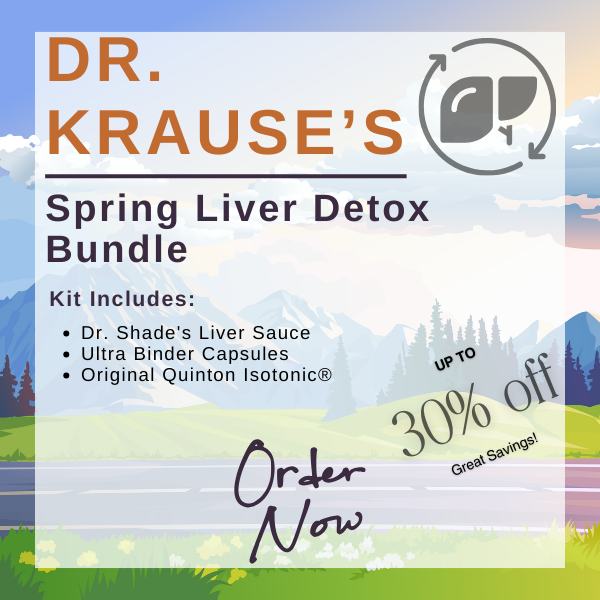
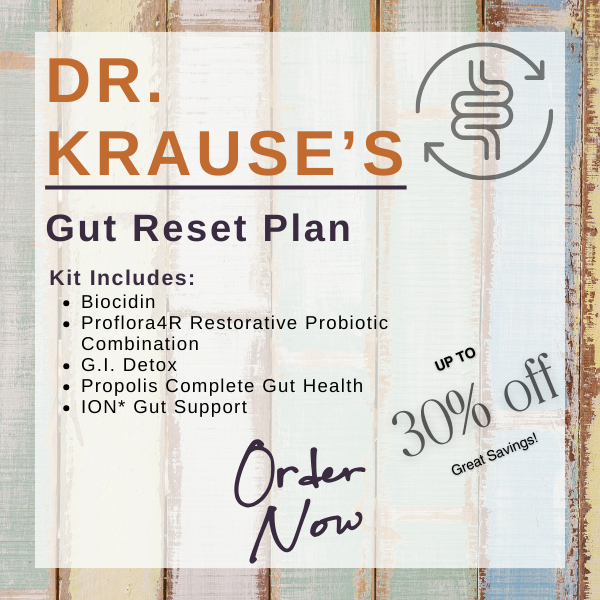
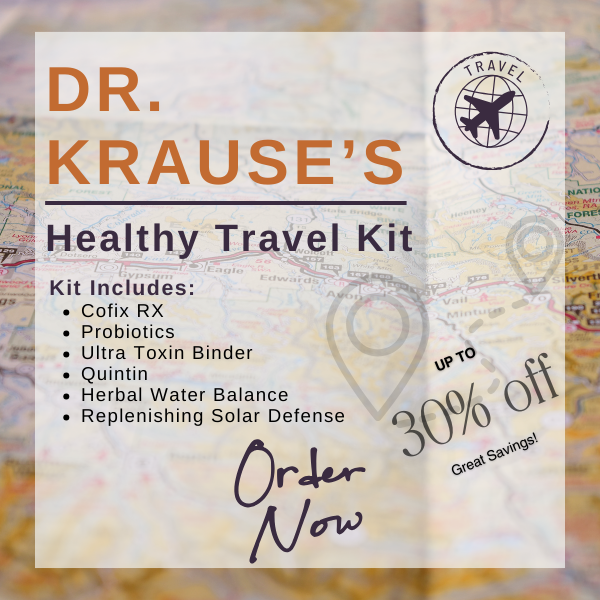
Traveling soon? Looking to detox or reset your gut? Try one of Dr. Krause’s Fullscript plans.

In this episode, you’ll learn:
- What brain retraining is
- How chronic pain can become connected to fear and protection
- Simple ways to interrupt a stress response
- How menopause and poor sleep can affect nervous system sensitivity
- Why nervous system work can complement medical care
- How somatic practices can support chronic pain recovery
Connect with Natalie and ReOrigin:
Visit ReOrigin to learn more about their brain retraining and nervous system programs, community, and coaching options.
Disclaimer: This episode is for educational purposes only and is not a substitute for medical advice, diagnosis, or treatment. New, changing, or concerning symptoms should always be assessed by an appropriate healthcare professional.
Connect with Dr. Jannine Krause
Check out Dr. Krause’s Website for more resources and subscribe for more conversations on functional medicine, longevity, brain health, hormones, nutrition, and natural strategies to optimize your health.
Be sure to Like, Subscribe, and Share this episode with someone who wants to protect their brain and age with vitality.
Our Partners




Podcast Transcript
Jannine Krause (00:01.899)
Natalie Ribbons, welcome to the Health Fix podcast.
Natalie Rivans (00:05.41)
Thank you so much for having me.
Jannine Krause (00:08.057)
my goodness. I love talking about the brain. I love talking about the body and how it works. And I especially love meeting folks who’ve done the work because you hear so many people out there saying you just need to retrain your brain. And that could be anything from like just think positive, like toxic positivity thoughts, or just you know, stop thinking that way. How hard is it to just change your mind? It’s like, well, yeah, okay. Okay. So having experienced
Natalie Rivans (00:33.801)
Yeah
Jannine Krause (00:37.781)
you know, a pretty good pain I w I call episodes, but but but in my life I’ve had some serious things go on with with pain and it can really hijack you. And and not only that, what I’ve seen with a lot of clients is hijacking of their bodies from things like chronic mold, from long haul COVID, long haul Epstein Barr virus, because we didn’t talk about it until long haul COVID came about and it’s really kind of very similar.
And even like multiple chemical sensitivities. And so chronic pain, all these things kind of filled in. Pots. I saw that was another one that you guys, you know, talk about at Reorgen. And of course we’ll we’ll dive into that later. But I really would love to start off with your story and how you came to use neuroplasticity techniques and rebrain retraining techniques to to help change things for you.
Natalie Rivans (01:30.838)
Yeah, thank you very much. Well, I came into this work because I’ve lived it. So before Reorigin, I was actually working as a police officer and that background shaped me more than I kind of realised at the time. Policing actually trains you to be very alert.
You know, you scan for what might happen next. You know, you have to react quickly and keep on going. And there are very useful skills in that environment. But it also became very apparent to me that I was very good at pushing through stress and overriding what was happening in my body. And after a long period of being in that job with stress and burnout, my health started to unravel. So I developed quite bad chronic pain with that anxiety and then depression. And my life became very awful.
organised around how I physically felt. So I was trying to constantly work out what was wrong with me, you know, why am I in so much pain today? What’s caused this flare up? You know, what did I do differently yesterday? What is it that I have to avoid or what treatment haven’t I tried yet that I should now be looking into? Of course, you know, went down the medical route, had investigations, looked for all sorts of physical explanations and tried
lots of different ways to try and manage the symptoms. And I think it’s important that, know, brain retraining, I’m just going to bring this up now, is not a, it’s not used as a reason to not investigate new or unexplained symptoms properly. So I went through.
everything first. I’d explored a lot of avenues and I was still very much struggling so my body felt really reactive and I started listening to podcasts about healing and I came across Ben Aarons at ReOrigin.
Natalie Rivans (03:20.319)
And at first I was quite skeptical because the idea caught my attention that the brain and nervous system can learn patterns. I was thinking, gosh, did I cause this myself? Kind of thing, I started thinking maybe this was me. But then I read into what neuroplasticity was a little bit more. And for me, that explains something that I have been missing. It wasn’t saying that I had created the pain. The pain was very real.
it’s not all in my head, but the brain and nervous system was stuck in a response that had become kind of overprotective. So I then joined ReOrigin and things gradually changed for me. There was not a moment where it was like a miracle and everything was suddenly fine. I think that’s also important to say, you know, was repetition, giving my brain different responses and slowly building that trust in my body. And as I recovered, became
really passionate about this work and I wanted to help people in the way that ReOrigin helped me so I started volunteering with ReOrigin. You know I wanted to be that person that I felt I needed when I came to the community and people were like has anyone healed from this? I wanted to be like yes and you can you know you can just to give people that hope and that gradually turned into
me becoming the community manager there and then coaching and then leadership. And along the way I trained as a somatic practitioner and I’m now a menopause coach as well. The more people that I work with, the clearer it became that it’s not one explanation as to why people are struggling and different elements work well for them. So
you know, that’s what this work has become for me now. So that journey took me from being somebody really desperate, searching for answers to a member to volunteering to here. And I am not a clinician by any stretch of the imagination, but I have lived experience with this whole health journey and it’s completely changed the direction of my life.
Jannine Krause (05:17.836)
That’s awesome. That’s awesome to be able to to go and you know from a a member all the way up into the the leadership. And and that speaks a lot, you know, of volumes when someone wants to stay along with a program and work with someone, you know, all the way through. Now one of the things that you had mentioned, you know, and and I think a lot of folks can probably resonate with this is the desperate feeling to feel better. And and
Natalie Rivans (05:19.469)
Thank you.
Jannine Krause (05:47.169)
You had said, you know, being a a police officer, you were taught to be hyper vigilant. And I think when we have chronic things going on with us or like they just keep mo like piling up, the symptoms keep piling up, I think we become almost more hyper vigilant in that case.
Natalie Rivans (06:05.567)
Yeah, yeah, that’s yeah, very true. Yeah. Yeah.
Jannine Krause (06:10.294)
Yeah, and and so that alone I would imagine would impact the brain a little bit and and our wiring as a whole. What kind of yeah, it could speak a little to that.
Natalie Rivans (06:19.147)
Mm. Yeah.
Yeah, okay, so we’ll talk about kind of, guess, then what’s happening in the brain and nervous system for it to become a learned pattern, I guess. So the brain is constantly trying to predict what’s happening in the body and what is going to happen next. So it does this by combining signals from a body with a previous experience.
Jannine Krause (06:30.039)
Yes.
Natalie Rivans (06:41.869)
context, attention and what it’s learned to actually expect. You know, so if we take me being in the police, my body was always braced for what is going to happen next, because I never knew it was very unpredictable. But if someone’s, let’s say, been unwell or injured or in pain for a very long time, the brain can become very sensitized to certain either situations or sensations. So a movement, a place, a time of day, even a specific bodily sensation can become a
you can start to become associated with danger. So then your system begins to respond more quickly and more proactively. So a sensation appears, the brain gives it a high level of importance.
Jannine Krause (07:14.648)
Mm-hmm.
Natalie Rivans (07:23.861)
attention goes towards it and the nervous system becomes more activated and then that can increase the intensity of what that person experiences. And if that then happens repeatedly, the brain gets more evidence for that prediction that it’s the situation or sensation is actually dangerous. And over time, that response becomes very automatic and it’s not at all conscious. So you’re not, you know, it’s not something that you can think your way out of. And you can think of it a little bit like any other
another learn pathway. the more often we practice a particular response or if it’s repeated, the easier it becomes for us to activate it. You know, but in the case where the response might involve something like pain, let’s say dizziness or fatigue or any other protective thing like gut sensations, you know, it’s another protective experience there. And it’s, you know, these processes happen, like I’ve just said,
outside of our awareness. What we’re trying to do with brain retraining is help our system update those predictions. So instead of repeatedly reinforcing, you know, this sensation means danger, we create repeated experience of safety and different attention patterns and responses so the brain has new information to learn from. That’s the easiest way to explain it. And over time for some people, that can reduce how strongly your nervous system responds.
Jannine Krause (08:23.458)
Mm-hmm.
Natalie Rivans (08:48.171)
That distinction I think is really important because regulation can become another form of symptom control if the message underneath it is I have to calm myself down or something bad is going to happen to me. You I got into that.
Jannine Krause (08:57.677)
Right.
Natalie Rivans (09:00.151)
habit quite quickly. Sometimes we don’t need to actually eliminate activation, we need to just help our nervous system learn that a sensation can be present without it automatically meaning danger. So I see kind of the regulation side of it is helping our nervous system in the present moment and the brain retraining side of it is repeatedly updating what the system expects and how it responds in future.
Jannine Krause (09:25.858)
That what what you just described, that like danger response, when you start to feel the symptoms come on, I’ve had that quite often, one with pain for sure. Because it’s like, gosh, am I gonna end up like dragging my leg today? Or am I gonna have incontinence because now, you know, the same nerves that that go to my back are going to my bladder? Or, you know, for a lot of people and and I think for for many people with gut issues.
Natalie Rivans (09:31.648)
Mm.
Natalie Rivans (09:35.595)
Mm-hmm.
Natalie Rivans (09:50.476)
Mm-hmm.
Jannine Krause (09:50.701)
This is a, my gosh, do I need to stay home and cancel all my plans kind of thing too? Describe to us some of the what would happen to you when you would go into that and how, like what kind of techniques, give us a little example of like how it, how you work with this. Like what’s happening in your practice to be able to signal safety to the body when these things start to happen.
Natalie Rivans (09:54.85)
Mm-hmm.
Natalie Rivans (10:11.241)
Yeah, yeah, that’s should I explain what brain retraining is in really simple terms? Or do you think? Yeah, I think that that’s the first. So I learned by just breaking things down really, really slowly to begin with. So I think for people listening, when we’re talking about brain retraining, it’s harnessing neuroplasticity to help the brain and nervous system that practice that different response that I was just talking about and neuroplasticity.
Jannine Krause (10:16.782)
Please.
Natalie Rivans (10:35.903)
is simply the brain’s ability to change and adapt through experience. So our brains are doing that naturally all of the time. So the things we repeatedly think, feel, and pay attention to can strengthen certain pathways and our responses as well. So if you have been, say you’ve got those gut issues and you’re frightened by those symptoms, or you’ve had this underlying stress there for a long time, your brain can be really good at anticipating danger and then triggering that protective response automatically so that…
becomes really well practiced. But brain retraining is about practicing a new learned response. So instead of a symptom automatically leading to that fear monitoring, or like you say, cancelling your plans, or just thinking I have to cancel this because something might happen, you might change how you interpret that sensation, where you put your attention, what you do next.
It’s not positive thinking. I want to put that out there as well. We spoke briefly about that and positive thinking. It’s not pretending your symptoms aren’t there. You’re not just sitting telling yourself, I’m absolutely fine. My gut’s going to be okay. You know, you’re using the brain’s natural ability to learn and change through repetition and experience and creating a new pathway there. So that is really what brain retraining or I guess a really
kind of what brain retraining is, neuroplasticity is. But I guess an example, so let’s say an example of someone actually doing this, you would, if I notice pain, so my old response was immediate attention and concern, I would then start checking, wondering why is it there? Is it gonna get worse? What have I done to cause it? Again, I’ll need to cancel my plans. So the pain itself was one thing, but there’s this whole second layer of fear.
and monitoring and protection around it, brain retraining changed what happened next. So instead of immediately going down that route, I would notice the sensation. And again, I’m making this sound really simple. This takes time because it takes time to notice when your brain goes down that hole. But, you know, I might remind myself, I know this pattern, I’ve been medically assessed, I don’t need to solve this sensation right now and I am safe. And then I would work on reducing the…
Jannine Krause (12:32.003)
Mm-hmm.
Natalie Rivans (12:49.643)
the threat or the sense of threat. So that might involve something like a really short regulation or somatic practice. You know, I might notice where I was holding my breath, you know, or I have a habit of really hit my shoulders come up to my chin, so relax my shoulders, soften my jaw, stop bracing around the pain. So I would consciously soften some of that tension, perhaps feel my feet on the floor.
look around the room and remind my brain of where I was rather than just disappearing into where my symptom was. If I was really, you know, on edge, changing where I was putting my attention and then continuing with something normal rather than stopping everything because pain had appeared. And the important part, you know, it’s not pretending that I didn’t have pain. Of course, I’m still going to feel that, but changing my response to it. So instead of repeatedly giving my brain the experience of pain means danger, I’ve got to stop, I’ve got to monitor.
and I have to protect, I gradually gave it another experience. Okay, I can feel this sensation, but I can also remain calm around it and I can still engage with my life. One repetition isn’t obviously going to change everything, but when we respond differently again and again, that’s where learning happens, that’s where brain retraining happens, and eventually the symptoms stops carrying the same level of importance and threat, and that’s a significant part of healing with brain retraining.
Jannine Krause (13:58.927)
Okay.
Jannine Krause (14:13.004)
Okay, okay. So No, it’s great because I think a lot of people, you know, we we want quick results, right? We want the magic pill, we want the magic, you know, like hypnosis, whatever it may be, right? We want it to go away and we want it to go away fast. And one of the things that I I’m hearing you say that I’m like, my gosh, I think I and probably some other docs in in in my realm
Natalie Rivans (14:14.113)
really long-winded, very sorry.
Jannine Krause (14:37.56)
have caused a little bit more issues because we want to figure out when these symptoms are happening, connect them to certain things. And I’m going, my gosh, I think I may have like made it worse for people because we were trying to figure like figure it out at the same time that things are getting, you know, intense. So I’m like, I can see how this would be a really good way to integrate into like
sleuthing it out but also sending the signal to the body that it’s it’s not a threat because I’m like, wow, this a you know, alone wakes my brain up to going, gosh, for a lot of people who were on alert and going more into the the trauma response for lack of a better term, it can make it worse. Yikes.
Natalie Rivans (15:20.47)
Yeah.
Yeah, yeah, well, yes, I think that we do we we always want, I say quick fixes, but we do, you know, one of the key questions we get is how long is this going to take? Because I think that when we think about healing, we take a tablet and the tablet works and then we get better. And then when that doesn’t happen, what do we do next? And there isn’t one timeline. And I think that we’re it’s really important that we don’t pretend that there is and we don’t say to people by
Jannine Krause (15:35.17)
Right.
Natalie Rivans (15:51.276)
Week five, you should be feeling this. For some people, when they join ReOrigin as an example, they do notice changes quickly. We ask people how they are along the way. But for others like me, it was gradual. It depends on how long someone’s patterns have been there, for example, what else is going on physically, and how consistently someone’s able to practice responding differently. There’s lots of factors. And I also think that recovery’s misunderstood.
because people expect it to look like symptoms disappearing in this perfectly straight line. But ultimately, we know that it is so much more messier than that. Someone might notice that they feel less frightened by symptom, and they might recover more quickly from a flare. They might start doing small things that they have been avoiding. They might become less.
Jannine Krause (16:25.069)
Yeah.
Natalie Rivans (16:41.409)
focused on their body throughout the day or notice that a symptom perhaps no longer controls every decision that they’re making and those are really meaningful signs of change even before that symptom might have completely gone and of course there can be setbacks, know stress, illness, poor sleep or life events can temporarily increase symptoms again, there’s no denying that but it doesn’t mean that someone has gone back to the beginning which so often and totally understandable
why people think that. They’ve had a flare, they’re going back to step one. But recovery is really about increasing capacity and flexibility. So the nervous system can become less reactive and the person becomes less afraid. The goal is never to become someone that never has a symptom or never gets stressed again. That’s really important. It’s just to get to a point where symptoms don’t dominate our life and you’re not…
kind of organising your life around preventing symptoms from happening. So I would actually describe it as a gradual pace rather than having to put a deadline on it. And that’s done by repeatedly giving your brain those experiences time after time so the patterns can become stronger. But unfortunately, there is no timeline for it.
Jannine Krause (18:00.888)
Well, you know, I think I think it’s important to think about like we’re all works in progress. And then we have, you know, different types of shifts in life too. And you had mentioned that you’re doing more menopause coaching now. And this, you know, adds another layer, I believe, to what’s going on in the body because we’re becoming I I tell all my folks, we’re becoming a new person. Like our our body, we’re shifting into the next phase of life. And so I’d love to hear.
Natalie Rivans (18:28.588)
Yeah.
Jannine Krause (18:30.567)
kind of how you’re weaving this into the menopause side of things and coaching folks through that change in life.
Natalie Rivans (18:33.324)
Doh!
That’s exciting. Yeah. So, so we’ve done something called, we’re creating something called Renew, which is a program that’s going to be out in around December, hopefully. But I, my interests grew in menopause through personal experience and also professional work as I’m doing now. I increasingly became aware that menopause is not just about hot flushes or periods stopping. It can affect so much more than that. and
There were lots of people in the community, women, using these tools and techniques to help with symptoms of menopause. So it grew out of a gap that we kept seeing. There is, thankfully…
a much greater awareness of hormonal changes and treatments such as HRT, which is hugely important. But many people are left also asking, you know, why do I suddenly feel differently? Why is my body being so unpredictable? Why am I so, you know, reactive to things that I weren’t before? Why don’t I feel myself anymore? So we created Renew, which is to help people understand that wider picture and forgiving people practical tools for helping with menopause. There’s so much of the limbic
system that is involved with menopause and renew our program adds another layer by looking at what happens after symptoms begin, how does your brain interpret, what can you do in real life to help with some of these responses and we spoke with lots of professionals, sleep experts, nutritionists all in their areas that help women go through menopause and hopefully we’re going to help a lot of people with that.
Jannine Krause (20:12.364)
Well there’s so much I can unpack there, but like sleep is probably the biggest one that I feel like for most women, that’s when when they go off the rails is when the sleep just keeps getting interrupted and interrupted. And you know, did you experience that yourself? I know I have in this process.
Natalie Rivans (20:22.699)
Mmm.
Natalie Rivans (20:31.017)
Yeah, yeah. So sleep is a huge one actually to do with menopause itself. And we, it was one of the big symptoms that people struggle with, right, with during menopause. But hormonal changes affect how the systems regulate sleep and circadian rhythm. So some women are repeatedly woken up with things like night sweats and others.
seem to develop insomnia without obvious hot flushes. So you might find that you struggle to stay asleep or you might wake at like three in the morning and sleep seems to have become a lot less restorative. But obviously we know that sleep is so important for helping our brains, you know, repair, heal. And when someone is not sleeping properly, things like emotional control and stress tolerance, that’s also affected by our hormones when we’re going through menopause, they can be affected, which then
kind of creates this chain reaction of hormonal changes equal disturbed sleep. Poor sleeps make concentration and mood worse, you know, and then your stress makes it harder to sleep the following night. So we give people tools, know, science-backed tools. There’s a lot on yoga nidra. There’s a lot on guided visualisations. There’s a lot on how to break these additional, the attentional feedback loops on sleep to help people.
feel like they’re getting better sleep and they understand why these changes are happening and what they can do to help. Sleep is a huge one.
Jannine Krause (22:07.424)
It’s it’s probably the most maddening one, I think, for for most people, especially when it’s like a couple hours a night and like waking up constantly throughout the night. Now, you also mentioned that you have experience and and have been working with somatic healing as well and and somatic therapy. this is something that I probably wouldn’t have coined it that when I was first
Natalie Rivans (22:10.092)
Yeah.
Natalie Rivans (22:22.413)
Mmm.
Jannine Krause (22:29.846)
working with it only because it’s just I’m used to acupressure and working on the the acupuncture channels and it was more like kind of massage with with dance in terms of how I’ve done it with folks. but I’m super curious how how you’re working with folks. What’s give give us the scoop like what what intrigued you about it and how did you start falling into that side of things.
Natalie Rivans (22:49.407)
Yeah, so I think that there’s obviously top down and bottom up practices. And so top down gradually, you know, you’re also working through conscious thoughts or attention. So that might include things like reframing, changing how we respond to a simpler symptom or redirecting attention, whereas the bottom up working with the body as free sensory experience. So breath, orientation, touch.
And actually, what was interesting is I found, and Riyadh and we bring this into both, is that people do benefit from a combination. So sometimes, you know, the thinking brain actually needs that support and sometimes the body needs a different experience. So somatic practices help bring the body into that change process. Someone may understand intellectually that they’re safe, right, but their body still responds as though that danger is present.
Jannine Krause (23:36.974)
Mm-hmm.
Natalie Rivans (23:41.314)
but through things like gentle movements, sensory awareness, breath, know, noticing your physical support, we can begin our nervous system, begin giving it new information. It’s not about forcing our body through calm. You know, it’s about building that flexible nervous system, like I spoke about and building a trusting relationship with your body. So we use it as part of our full neuroplasticity approach really. Brain retraining, I think can sound really cognitive.
It’s as though we’re just changing our thoughts alone, but nervous system patterns also show up through things like posture, movement, breath, tension. So using these gentle practices, you know, it helps people relate to sensations with curiosity and less immediate fear. Again, it’s not about kind of forcing our body to make symptoms disappear in the moment, but…
Jannine Krause (24:09.421)
Yeah.
Natalie Rivans (24:33.741)
building that capacity alongside, know, somatics comes alongside that education, visualisation, mindfulness side. So I think that it’s also helped me understand the importance of it in including it rather than just being all purely thought-based stuff. Yeah, so I see it as a complementary part of neuroplasticity.
Jannine Krause (24:57.516)
I think it’s great to have it because obviously we’re more than just what’s going on in our brain. We’re obviously this whole body connected to it. And and you know, while a lot of folks are talking about the whole body, I still find that we intend to include the whole body, but we still will end up
gravitating, you know, especially in the rewiring and and that space as as to n forgetting even meditation and and guided meditation, a lot of times it’s still all up here and not dropped in to the body. What d what kind of
Let’s talk about a pattern for example, because l a common stress pattern you had mentioned before, we try to wear our shoulders for earrings. We try, you know, a lot of times you’ll see kind of like the shoulders hunch forward and we are almost going into like a ball. So what kind of if someone’s, you know, thinking right now like, okay, maybe one practice they could start doing right now to drop in to signal safety into their muscles and tissues, what what what would you say? What would be like an easy one for folks that kind of tend to feel themselves crunching up and hunching over?
Natalie Rivans (25:55.437)
Thank you.
Yeah, that’s a really good one actually. one of my favourite is like a 60 second pause and reorient practice. So I think it gives you something useful out of it. So we’re going to pause and we’re noticing what’s happening around us, but we’re not going to fix it.
So we notice, okay, perhaps, you know, my shoulders are really tense or I’m staring at my screen. You know, my nervous system’s quite activated right now. We’re just going to look around and just notice a few neutral things in our environment. So that might be, you know, a painting on the wall, your window, a piece of furniture. So this slowly helps move your attention away from this internal monitoring or, you know, everything being really stressed. And then we’re to just take one breath.
And we’re going to audibly exhale. And on that exhale, we’ll just release our shoulders down and we’re just going to offer our brain a message of safety. So this feels uncomfortable. I don’t need to treat this as an emergency. I’m just going to relax. Okay. Just talk to ourselves really calmly, really kindly. So there we’ve done the notice we’ve interrupted. We’ve kind of created a small gap where we’ve had a different brain and body response and we’ve redirected. That’s a very, very tiny.
kind of exercise within itself. If you practice that consistently throughout your day, when you start noticing that, my gosh, I’m feeling really tense right now, or I’m really fixated on this one thing in front of me, we’re just gonna orientate, sigh, release, thank our limbic system, and then return to what we’re doing, offering messages of safety.
Jannine Krause (27:37.58)
Nice, nice. Let’s talk about the limbic system. You’ve mentioned it twice now and I think a lot of folks are like, it’s related to the brain, but what is it? Exactly. How do I how do I figure that out?
Natalie Rivans (27:46.178)
Yeah.
Natalie Rivans (27:49.546)
Yeah, yeah. Okay, so we we do hear a lot about the limbic system in brain retraining and it can sound more complicated than it really is. It’s it’s it’s not one single switch in the brain, but it’s a group of connected areas involved in emotion, memory, motivation, and the body stress response. So you can think of it as part of the brain’s internal security system. And I think his job is to
constantly be asking questions, is this safe? Have I experienced this before? And do I need to protect myself? So if we imagine that we’ve perhaps had a frightening experience, maybe when we’ve been driving, even later, when you’re comfortably safe, getting into a car might trigger something like tense muscles or racing heart or a feeling of just general panic doesn’t mean your brain is broken. It means that your brain, your limbic systems learn to associate.
driving or being in a car with danger and it’s trying to protect you based on that previous experience and
The same kind of learning can happen around bodily sensations as we’ve spoken about. The brain might begin to respond as though something is dangerous, even when that situation is not dangerous or the original threat has actually gone. So in brain retraining, the goal isn’t to shut the limbic system or tell the brain that everything’s fine when it’s not. It’s just to help your limbic system, your brain gather new evidence through repetition. It can start to learn. So that’s really what the limbic system is. It’s just…
part of your brain. I think people sometimes refer to it as the amygdala as well. Yeah, that’s it in a nutshell really. Without me going on for another 10 minutes answering your question.
Jannine Krause (29:22.733)
Mm-hmm.
Jannine Krause (29:29.89)
I think that’s perfect. I I think less is more sometimes when we’re talking about brain things. I think a lot of people will hear neuroplasticity and it’s like, mm, shut down. Or brain retraining, mm, shut down, because it it seems complicated in terms of what’s all happening. And like, you know, if people want to geek out on the details, like that there’s probably plenty of places to go and geek out more. But I I find it that we we solidify things better when it’s when it’s on a little bit more of a a simple term.
Natalie Rivans (29:36.845)
You
Natalie Rivans (29:55.095)
Yeah.
Jannine Krause (29:55.927)
The other thing I really wanted to chat about because there’s a lot of talk, you know, since the the book The Body Keeps the Score and all that’s been out, a lot of people talk about well, I’ve trauma stuck in my body. And and we talk about trauma release and we talk about trauma patterns and and you had just described like one that I hear a lot. You know, someone’s had a bad accident while driving and now they have driving anxiety and that’s a trigger. Or with chronic pain, like longer roads, road trips.
Natalie Rivans (30:05.035)
Mm-hmm.
Natalie Rivans (30:16.087)
Mm-hmm. Mm-hmm.
Natalie Rivans (30:23.02)
Mm-hmm.
Jannine Krause (30:24.556)
That can provoke some serious issues too. So looking at the trauma situation, what’s your personal opinion on trauma stuck in the body? Do we need like exorcisms to get this out? Or do you feel like if we do some brain retraining, we can actually, you know, we we don’t have to dive into the trauma. You know, that that’s kind of what I’m curious from you. What’s your opinion? What’s your take on that?
Natalie Rivans (30:32.077)
Mmm.
Natalie Rivans (30:45.593)
Mmm, yeah.
Yeah, it’s a good question and I think we get asked a lot, do people have to process their past to find their original trauma? Do they have to? And I think that trauma can absolutely be part of the picture, but I don’t think everyone with persistent symptoms need to go searching for an original trauma. If someone has lived through, you know, frightening, overwhelming or…
prolonged experiences, the nervous system may become more vigilant, reactive, and more likely to expect threat. So trauma can shape the way that the brain and body responds, but I think we have to be very careful not to turn that into another root cause hunt. Someone can easily move from, you know, what infection caused this or something similar to what trauma caused this. And we end up in that same cycle of constantly searching backwards for one thing that explains everything. I don’t necessarily
you know, my personal opinion, all of this is, you don’t necessarily have to identify one event or process every part of your past to find the change in your nervous system happening now, what’s happening now. A lot of this work can happen in the present, so can I notice when my system goes into…
protection mode. Can I recognise the thoughts or situations that trigger these responses? And can I help myself feel safer now? You know, can I respond differently enough times that the nervous system learns something new? And for some people, trauma-focused therapy may be incredibly important. And especially if there are unresolved experiences that are still strongly affecting them, that would sit alongside brain retraining. But for someone else, there may not be.
Natalie Rivans (32:27.189)
you know, one obvious traumatic event at all, their nervous systems just learn through illness, repeated symptoms, medical experiences, you know, long period of stress. So I don’t think the question is, or needs to be, should I say what happened in my past that I have to fix, but it can be what’s my nervous system learn, or what’s showing up now, and what new experience can help it update.
Jannine Krause (32:52.118)
That’s a great way to put it. That’s a great way to put it. ‘Cause I think we’ve kind of went down the lines of hunting for the trauma, the thing, the one root cause. And you know, I’m guilty too and and I’m like, wait a minute, no, no, there’s there’s multiple layers here. And and I think it’s just it’s wise to to look into like, okay, great, those things happen, let’s let’s
Natalie Rivans (33:10.039)
Yeah.
Jannine Krause (33:17.866)
you know, put it put it on a not put it on a shelf and try to find that like is like this goal or something.
Natalie Rivans (33:18.816)
Yeah.
Natalie Rivans (33:23.765)
Yeah, I think we can all be guilty of that, can’t we? Like, we’re all guilty of looking for the one thing that, you know, set or had the domino effect. And I don’t think that there is always just this one thing.
Jannine Krause (33:36.387)
I mean, the one thing goes back to, at least in my opinion, finding the one pill, the one magic treatment, the one the one thing I have to do and that’s it. I’m gonna be done in, you know, and you know, I’ve I’ve been there, right? I’ve been there like the one thing that you know, the one the right form of turmeric that’s gonna get rid of my inflammation. You know, it’s it’s it’s hokey and and unfortunately marketing is that way too, and that is something that, you know, a lot of folks get into and and I heard you you had mentioned like medical trauma and
Natalie Rivans (33:41.505)
Yeah. Yeah. Yeah.
Natalie Rivans (34:00.078)
and
Jannine Krause (34:06.434)
I was very curious, you know, having worked you know, having worked with a lot of folks now, since you’ve been, you know, a coach for quite some time, do you feel like medical trauma plays into this too? And and I’m asking this somewhat as somewhat as a practitioner for any other practitioners that listen to my podcast, because I know I have a few, ways that we can support and not provoke things, but also on the level of a a patient.
Natalie Rivans (34:13.974)
Bye.
Jannine Krause (34:35.904)
in terms of how can we not be affected by the medical system that is? Because I I hear stories all the time and it seems like that’ll tailspin people very fast.
Natalie Rivans (34:48.415)
Yeah, yeah, absolutely. Yeah, a lot of people feel gaslighted, don’t they? You know, we hear that a lot. And I think that it is medical trauma can be a really important part of the picture for a lot of people. And again, doesn’t necessarily mean that someone has to have this huge one, traumatic medical event, right? It can be cumulative.
which I’m sure lots of people have experienced years of unexplained symptoms, being rushed, feeling rushed when you’re trying to explain to someone medical that, you know, I think something serious is wrong and they just leave you feeling dismissed.
Jannine Krause (35:11.842)
Mm.
Natalie Rivans (35:26.175)
or you feel rushed because it’s the same doctor who’s just trying to shoo you out the room, just as broad examples. This is what a lot of people have come and said that they feel like. And you can then become increasingly vigilant. You’re watching for that next symptom and that next sign that something’s wrong. And from the brain’s perspective, it makes complete sense because you you’ve learned that I have to monitor because something threatening has happened. So I think that’s really important that we don’t tell people to ignore new symptoms or concerning symptoms.
We’re not trying to convince someone that nothing’s wrong and we’re helping them rebuild a sense of safety. But, sorry, I’ve completely forgotten your original question. I’ve realised I’ve just gone off on a massive tangent.
Jannine Krause (36:08.566)
No, medical trauma. Just, you know, what what’s your opinion in terms of the folks coming in and and their their take on it and how to, you know, as ev either side, like practitioner or the patient side, how can we minimize the response to these things? Because obviously we do need to go to the doctor for certain things and and
Natalie Rivans (36:30.317)
Mm-hmm.
Jannine Krause (36:32.236)
The doctor, you know, on on my end I wanna be, you know, cognizant of what types of things are probably not a good way to approach it, even though it’s well intentioned, right? With chronic with chronic conditions.
Natalie Rivans (36:43.357)
Mm-hmm. Yeah. And I think that the question that stands out there to me as well is, you know, how do you know when something is medically still going on, right, versus when your nervous system’s become part of the problem? So what do we do there? And I don’t think that you can reliably decide that from a symptom itself. And I don’t think that it should be framed as either a nervous system issue or a medical issue.
Jannine Krause (36:56.899)
Right.
Natalie Rivans (37:08.685)
If someone has new symptoms or symptoms are changing or there’s red flags or, you know, that needs medical assessment, but brain retraining shouldn’t be used as a reason to stop looking at something that might need medical attention. But equally, someone could have been investigated thoroughly, had appropriate treatment and still be left with symptoms that, you know, don’t completely track with ongoing things like tissue damage, for example. And that’s when it can be useful to us whether the nervous systems become part of what is
keeping the cycle going, that experience for them going. And there are sometimes clues. So symptoms might fluctuate dramatically. There might be a strong influence on stress. You know, you might realise that actually, yeah, when I’m in this situation, this symptom always pops up. But none of those things prove that a symptom is neuroplastic. And it doesn’t mean that the symptom isn’t physical. It’s important to say. So the way I like to think about the nervous system, it can become another layer of the problem. So you may have had a real physical trigger that you’ve gone to the
with and there may even still be physical factors that still need managing but at the same time the brains learn those protective patterns. So rather than asking is this medical or is this a nervous system issue, I think the question is has the medical side been appropriately assessed and could the nervous system be contributing as well and that allows you to work with both rather than forcing people into one explanation. I do know that, and me myself, I have felt as though this doctor is just not listening to me.
Jannine Krause (38:25.314)
Mm-hmm.
Natalie Rivans (38:38.703)
You know, I’ve had all of the tests done and I’ve been through a frightening experience and it’s affected me. I’m a human, you know. It’s common to hear that, unfortunately, and we have to become our own advocates when we go to the doctors. But I think that we can look at both sides equally. There can be a medical issue, but there can also be a nervous system compartment to it as well.
Jannine Krause (39:06.326)
That’s definitely a great way to look at it. I mean, I think it’s important, and and this is for everybody listening, you know, you want to find someone who can listen to you, you want to find someone who can rule out all of like the bad things, and this is kind of how I’ll tell my patients we’re gonna make sure like there is nothing, you know, major going on here, and then if it we come down to that, okay, it’s the nervous system that needs a little bit of TLC, then we go there. let’s put out
Natalie Rivans (39:29.229)
Mm.
Yeah. let’s. I loved it. Yeah, I thought for me, you haven’t even asked a question, but I’ll give you my take on it.
Jannine Krause (39:33.39)
Acupuncture for a minute. ‘Cause you said you enjoyed acupuncture.
Jannine Krause (39:42.03)
Go for that. It means you liked it a lot.
Natalie Rivans (39:46.358)
I did. I found it very useful. There was a pain point, a particular pain point near my wrist that I got done. It was so uncomfortable at the time, but it really did give me a lot of relief. I found that I was always felt so much more relaxed after I had acupuncture. And for me, it was a very positive experience. And I know a lot of members at ReOrigin that also have had and still continue to have very positive experiences with acupuncture. I really enjoyed it.
Jannine Krause (40:15.606)
And I think, you know, looking into acupuncture, obviously a little bit you can drill me on this one if you feel like it. It’s it’s you know, something that I find for a lot of folks, it it gives us time to kind of take let the body relax, but the nervous system responds to the needles. You don’t have to you’re not in your head.
You know, I mean you can if you wanna be, I guess, in there, but but you’re getting out of your head and letting the body do its own kind of rewiring practice. Now, when you were in acupuncture, did you find that with the relaxing you just kind of fell asleep or went into kind of a a zen state without yeah, without too much chapter.
Natalie Rivans (40:35.756)
Mm.
Natalie Rivans (40:53.651)
Yeah, I totally did. Yeah, that was something that was really interesting for me. And then myself was like, this must be doing something very positive, because like many people with a dysregulated nervous system, I found it very difficult to switch off and relax. But after acupuncture, I immediately came home and I was able to get into that state. said, Zen. I was able to just feel Zen. Nothing, no real thoughts were going on in my head. And I was just really relaxed for sometimes.
all the way through to the next couple of days it had quite a, I think, really positive effect and I don’t know why when we started talking about this I think well why didn’t I carry on with it? Why did I not? Because I’m sure I should.
Jannine Krause (41:35.406)
Well, you know, there’s a couple things that I see and this may be something that we’ll we’ll we’ll see what you have to say. sometimes there can be needle fatigue. So some of the needles will hurt a little bit, and sometimes we’ll start to create a little bit of a nervous system response where we’re like, I don’t wanna go through that even though I know I feel better. So did that happen?
Natalie Rivans (41:58.242)
That’s actually, that second thing that you have just said actually rings true. I have dry needling. I have like this back, an ongoing back thing. And I always dread the needles going in. I’m really heavily tattooed as well. But for me, it’s the thought of those needles going in my back that makes me think I really don’t want to go there, even though I know the benefit is good. Yes.
Jannine Krause (42:26.274)
Yeah. That well, t two things. One, we associate the needles with pain. So we’re going back to the trauma response from from the pain. And a lot of times we go back to like when childhood, like blood draws or, you know, vaccinations or any of those things that that we, you know, shots, whatever. And
Natalie Rivans (42:26.419)
Absolutely, yeah. So why is that?
Natalie Rivans (42:36.78)
Thank
Jannine Krause (42:46.014)
those kind of things can be a brain trigger that that could be a problem. it’s it’s a trauma response because we also will create a histamine response too from the needles. Yeah. Yeah.
Natalie Rivans (42:59.863)
Very good, yeah, okay, never thought of that. Thank you for that.
Jannine Krause (43:03.564)
Yeah, I’ve hey, no problem. I I just always I mean I like to talk about it because I think for a lot of people it’s beneficial, but at the same time I see we get to that point. And so sometimes what I’ll end up doing, and this is something that, you know, dry needling dry needling is more intense, just for everyone listening. Way more intense than acupuncture. However, some acupunctures do dry needling because we know the motor points and blah blah blah. But dry needling is not acupuncture and it is into motor points.
Natalie Rivans (43:29.707)
Mm-hmm.
Jannine Krause (43:33.251)
versus the acupuncture channel points. Some of them overlap. But what what’s happening, you know, when it comes to acupuncture in and of itself is we’re we’re creating an endorphin release when we can get the needles in there and you barely feel them. That’s an endorphin release. And that’s where the accu like that Zen or I call it accu stoned feeling comes in and the body kind of just just takes a trip for a little bit. And it’s like, this is great. Everything’s great. I wish that I could figure out how to prolong it a little
Natalie Rivans (43:35.22)
Yeah.
Jannine Krause (44:03.254)
longer and so that’s why I started doing some more of the somatic movement therapy with acupressure to try to help in between the acupuncture sessions. Do you ever do any acupressure? you guys ever do any of that work?
Natalie Rivans (44:17.207)
Finally, is that, well, so would you call acupressure kind of similar to reflexology? Somewhat.
Jannine Krause (44:22.818)
Somewhat, yeah. ‘Cause reflexology would be the feet part of it. Yeah.
Natalie Rivans (44:26.667)
and the hands is the pressure. I personally love a bit of reflexology and what we have done when I was doing my somatic practice we did a lot of…
acupressure points and there was a particular point that really helped. I get quite bad migraines when the air pressure is really bad. There was a particular point in my hand and I was like, my gosh, this really does work. So I often use that, but it’s not something that we consciously or I consciously practice myself.
Jannine Krause (44:57.526)
It’s you know, it’s something that obviously on my my mission. I’m gonna plug myself for a minute, guys, here on my own podcast.
Natalie Rivans (45:03.283)
Please plug yourself. Yes.
Jannine Krause (45:05.684)
I’m I’m trying to teach folks, like, you know, there’s large intestine four, which is between the thumb and the second finger. but there’s also another one between the second and third fingers and just below the knuckles that’s known as Lo Shen. It’s a it’s a point that goes to up to the neck and can be incredibly releasing for folks. And these are on the back of the hand. A lot of the points on the front of the the side of the hand, even the sides of the hand, can be quite awesome to help.
with with chronic pain and migraines because if we think of each finger as like head, middle of the body, down to the back and the feet. And so you can play with each of the joints and see that is there anything in here that relates. And then you can take it even further and be like, wait a minute, if it’s the middle finger, now this could be heart related, not like actually something wrong with your heart. It’s more emotional. Joy, anger, anxiety, insomnia. and you can work down that. You can go on this finger here and half of this finger here, and some of this in the middle is is limit
Natalie Rivans (45:52.961)
Yeah.
Jannine Krause (46:01.456)
lymphatics. And so is something stuck like are is your lymph not moving. And that’s why the migraine is going down. And then over here we’re back to the heart and small intestines. So something going on with the the intestines or something going on with emotions, you know, constipation causing migraine. So we can play with these and then like on this side we’ve got long and large intestines. So there’s many areas that I I love reflexology, whether it’s hands, whether it’s feet we think mostly feet of reflexology. I think a lot of people don’t even know that there’s points on the hands. And like systems
Natalie Rivans (46:30.573)
To be honest, yeah, I knew there was, because we’ve looked at it a bit, but I love the reflexology on my feet, especially the stomach area. Funnily enough, there’s always a bit of gristle in there, which tells me something.
Jannine Krause (46:44.084)
Mm-hmm. Mm-hmm. It’s it’s fun to explore the body and like poke around. Have you done any scalp stuff? Have you done any work on any other points in the scalp?
Natalie Rivans (46:51.339)
No. But I should because I love my head being rubbed as well.
Jannine Krause (46:56.334)
Mm, that’s a big clue.
Natalie Rivans (46:57.997)
Is it?
Jannine Krause (46:59.852)
Yeah. Yeah. Because we have like so much, right? Like we have the tension, we have the muscles up here, we have the muscles back here. But in the scalp, we’ve got all of these points, like motor and sensory, that come down. They call it the motor homunculus and the sensory homunculus, but it comes down. And so like up here is up to the back, feet, that area, and then as we come down we get to arms and then we’re down to like mouth, face, you know, big receptor. There’s like a huge section for the tongue, it’s wild. which
Natalie Rivans (47:27.729)
Okay. I’ve learned so much today in this last hour. I feel like a whole world is opening up for me to explore, starting with my head.
Jannine Krause (47:39.159)
It’s super fun. And yeah, if you’re gravitating towards someone rubbing your head, I mean it’s incredibly we have we have so many sensory neurons there that yeah, it’s incredibly calming to the nervous system. And if you think about like animals, right, you’ll see them like lick like the mom licking the baby’s head, right? Or or that. It’s it’s sensory and calming in here. So one of the my favorite my favorite spots, I’ll love to like get into someone’s scalp and and unfortunately with needles it comes sometimes bleeds a little bit, but
Natalie Rivans (47:54.22)
Yeah.
Jannine Krause (48:08.522)
Acupressure is fabulous in the
Natalie Rivans (48:11.083)
You’ve now said, I have had acupuncture needles. I had one in the middle of my forehead and it bled quite a lot. So yes, now you said that, I remember that.
Jannine Krause (48:17.943)
Yeah.
Jannine Krause (48:22.52)
Those are bleeders. Yeah, you know, it’s probably like one of the number one I I joke will will sometimes get a bruise there and I’ll like, it’s just a reminder to come back next time. I don’t need to give you a calling card. You just gotta go right here. But yes, the face and the scalp will need will will bleed a little bit sometimes, but it’s not something to be necessarily afraid of. It’s just more that we have more more circulation there. There’s just more blood.
Natalie Rivans (48:45.569)
Yeah, that makes sense.
Jannine Krause (48:46.986)
But this one, the one between your eyes that you mentioned, this is yin tang. This is our most one of our most calming points, second to the bottom of the feet, kidney one. This one is your third eye. It opens up consciousness, you know, all kinds of subconsciousness and things of that nature. But it is one of the ones that if we need to like calm anxiety and bring down tension, this is the one. And you could tap it too. You don’t have to need
Natalie Rivans (49:10.263)
Yeah, I love a bit of tapping. I’m not, yeah, always tapping.
Jannine Krause (49:14.208)
Yeah. Did you do like did you did you do all the training for EFT and all of those?
Natalie Rivans (49:17.881)
Yeah, we did some EFT and we actually have it as part of our main technique in ReOrigin as well, tapping. We tried to make it, you don’t have to be overly specific because so many people get caught up on, if I’m not tapping exactly right, then it’s not going to work. But especially under the eyes, I love tapping under my eyes.
We used to play a lot of roller derby, we were going way off piste here, but we used to play a lot of roller derby sport and to calm ourselves down before we went into a match, we would always do some tapping under our eyes, tapping at the side of our head, on our wrists, always have the most, again, helped me feel so much calmer.
Jannine Krause (49:56.131)
Roller Derby. I haven’t heard about that for a while. Like a lot of folks in in Tacoma where where I practice out of were were heavy into the roller derby. That’s intense. That is intense. And you and were you policing were you policing at that time too?
Natalie Rivans (50:07.221)
I don’t play.
Actually, no, that happened after policing, but I did not do, I did it for a couple of years. It’s really hard to learn how to control all of these. It’s good for controlling all of these can chemicals that are flying through your brain when people are coming left, right and centre at you and then just trying to not see red mist. So that was a very good learning experience, but it was also very intense. I broke a couple of bones. I learned very quickly that it wasn’t the sport for me. I much rather prefer pickleball.
Jannine Krause (50:38.552)
Pickleball is a lot more a lot more less I mean, unless someone goes real wild there, you you should be s I mean
Natalie Rivans (50:46.149)
Although I’ll tell you a story about that. I went to Pickleball not that long ago to try beginners Pickleball and I was so bad they said yeah we’ll let you know when they do a beginner beginner Pickleball.
Hand-eye coordination. Yeah.
Jannine Krause (51:04.566)
You know, i it’s everyone has their starting place. Everyone has their starting place. I mean I g I don’t know, I’ve never even played pickleball. That’s that’s the truth. I’ve not played it. So I’d probably be in the same category as you. Yeah, yeah. No, I I like the idea of it, but my idea of like racket sports is like hit the ball as far as I can.
Natalie Rivans (51:08.543)
Exactly. Exactly.
Natalie Rivans (51:17.463)
Thank you very much, that makes me feel better.
Natalie Rivans (51:28.013)
was my idea. So me and you would be on the same team because that is not a tactic. You’re not meant to hit the ball hard, apparently in pickleball. Yeah. Who knew? I stick to Pilates. That’s what I’m sticking to now.
Jannine Krause (51:34.178)
Yeah. Huh. I I kinda thought that was
Jannine Krause (51:43.639)
It all makes sense why I might have caused a lot of damage in in places when I used the ping pong thing. I hit the ping pong too far. But Pilates are probably Pilates is probably gonna be a little little safer. Pilates is great though. That you know, that for somatic work I think is incredible. Have you felt like the Pilates has helped you to like hone in on muscle balance and things?
Natalie Rivans (51:57.58)
Yeah.
Natalie Rivans (52:02.347)
Yes, yes.
Natalie Rivans (52:09.675)
100%. Yeah. And it really helps. It’s a really good one for menopausal women as well, helping with pelvic function.
but I’ve done Pilates for years and I personally, it is kind of very, I don’t do like an intense Pilates, know, Pilates has turned into something really fitness-y. You know, we’ve got reformer Pilates, but if we’re back to the basics of mat Pilates, it is about getting in touch with your bodies and contracting certain muscles and really warming up and feeling everything. So that for me is pure Pilates and I absolutely love it, yeah.
Jannine Krause (52:46.456)
Do you feel like and this is kinda how I’ve felt about Pilates too, it it gives you a little more agency over your body because you feel like you can actually feel the message here go down and it’s a connection. I I feel like the connection, especially with the core, like you were saying, the core and the pelvis.
Natalie Rivans (53:00.354)
Yeah.
Natalie Rivans (53:04.365)
Yeah, and you really have to train that as well. It’s not something, you when you start you think how hard can this be? Actually, it’s really hard and you have to kind of, you know, just think about putting yourself in a bridge. So you’re lifting your hips up and then putting one leg out at a time. You really have to build that pathway and train up for it as well. So it’s not something that happens very quickly or easy. It’s repetition and consistency with something like Pilates and it is getting into the body. So yeah, agency totally. And I feel as though you get real
dose chemicals when you’ve finished a 45 minute Pilates class? Like yes I’ve done it and that was hard and there’s no weights involved but you’ve really given yourself a really good somatic workout, a brain body workout and actually a physical workout too.
Jannine Krause (53:50.317)
I I couldn’t agree more. It’s one of my favorite things to do. And I think, you know, incredibly healing because I came from a space of like powerlifting and like lift as heavy as possible. and then went to Pilates and a lot of people are like, Seriously, you’re gonna do Pilates after you just did all the powerlifting. And I’m like, No, I think I think I get a better workout with that than
Natalie Rivans (54:12.767)
It’s a full body isn’t it? Did you find it harder?
Jannine Krause (54:15.36)
Absolutely. Absolutely. I’ve I
I was embarrassed how how weak I actually was. You know, I’m like, I could deadlift 300 pounds. This is gonna be nothing. And then I got in there and I’m like, I’m so my stabilizers, my you know, the the little muscles, the things that really count as we get older. No point. Yeah, yeah.
Natalie Rivans (54:29.783)
Yeah.
Natalie Rivans (54:38.285)
Yeah. Yeah.
Jannine Krause (54:43.65)
That’s a good one. And and I think that, you know, just kinda to bring it all full circle. I think for brainer training, and this is my opinion, I’m not gonna push it on Natalie, but I I think for brainery training in the way I’ve kind of worked with a lot of my clients is getting into the body with different exercises, balances, like we play all kinds of weird weird things in my office depending on what we’re doing. And I think Pilates is a great way to signal safety, especially
Natalie Rivans (54:54.061)
Mm.
Jannine Krause (55:12.33)
my experience obviously pain, but especially in the case of when you’re trying to sense in the body what’s safe, what’s not, I think it’s great.
Natalie Rivans (55:19.585)
Yeah, yeah, yeah, yeah. And some gentle yoga as well. Really basic yoga moves. Tree pose, for example, is a really, I always thought trees sound so easy, again, like Pilates, but it really isn’t. When you learn to shut your eyes and imagine that you are that tree and the roots are on the ground, that is, I love, that’s a really profound experience. If you can bring some visualization into that as well, that’s advanced level. It’s beautiful.
Jannine Krause (55:24.257)
Mm-hmm.
Jannine Krause (55:46.146)
Ooh, I like it. I like it. So is that gonna be coming to re origin soon? Will we be adding like next level re origin?
Natalie Rivans (55:57.134)
Well, you say that we’ve got something very similar to that in the menopause program actually, as part of a visualization. Yeah, all optional, I should say that it’s all very optional. So you don’t have to be a yogi to practice any of this because like everything in yoga, Pilates, brain retraining, everything we’re talking about, it’s all accessible and it meets you where you are. So you don’t have to be a professional to start.
Jannine Krause (56:20.354)
That’s awesome. That’s awesome. I think for a lot of people that’s that’s where it’s at. So let’s let’s talk about Reorigin for a minute, just to kind of have folks, you know, if they’re interested in working on a little bit of brain rewiring, how they can access you or or your coaches and and I know I saw there’s a bunch of coaches, so I don’t know how they how you put it all together with choosing coaches, doing the all the things and how it works, because you it looks like there’s lots of opportunities throughout the week for sessions.
So give us give us a little scoop on what Re Origin is and what you guys are up to.
Natalie Rivans (56:51.255)
Yeah.
Natalie Rivans (56:56.617)
Yeah, so I’d say we’re a nervous system brain retraining platform. The easiest place to find us is at reorigin.com and we offer a structured brain retraining nervous system regulation program. And I think the important part is that we’re not just handing a person a technique to do rigidly, do this for an hour a day, off you pop. We don’t let people make people work it out on their own. There’s education.
guided practices, we offer free somatic group practices with you would have seen on our website Nicole who’s our somatic coach, her coach at ReOrigin there and we have live community support, all of our coaches are in our community so we sell the program and community as one because I think that when you struggle with chronic illness it can be very isolating and having a community can be a really helpful thing to have so it’s kind of live support and we do have
optional coaching. Again, you don’t have to take the coaching, but some people really benefit from one-on-one coaching or group coaching depending on what your individual needs are. But the aim overall is just to help you to understand your own patterns and build a way of practising that you can actually sustain. That’s really important.
Jannine Krause (58:11.564)
So huge. So huge. Well, Natalie, thank you so much for coming on and chatting with me today and geeking out with me a little bit on on acupuncture too. And I look forward to putting this podcast out and seeing what people think and and hoping that we can just inspire folks to really take a look at chronic illness and different things in the body, chronic pain and and look at it as a way that perhaps it’s a little bit of brainer training too to get over what’s going on.
Natalie Rivans (58:17.453)
you
Natalie Rivans (58:36.79)
Yeah, thank you so much for having me and all the lessons I’ve learned as well. Really appreciate it.
Jannine Krause (58:41.423)
Hey, my pleasure.