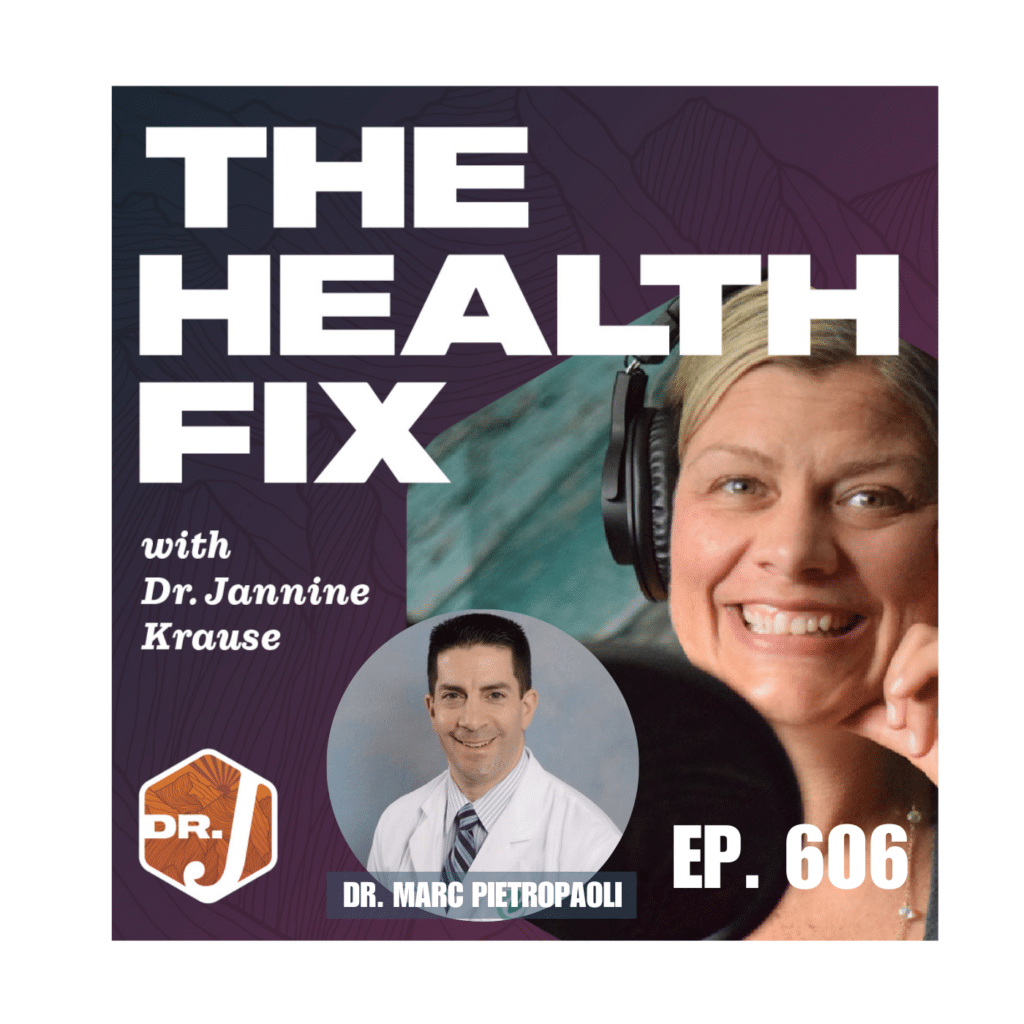
In this episode, Dr. Jannine Krause sits down with Dr. Marc Pietropaoli, founder of Victory in Motion and author of the #1 Amazon bestselling book Repair Not Replace: Natural Joint Relief Without Surgery or Pills. With over 27 years in practice and more than 30,000 patients treated, Dr. P has made it his life’s mission to end the need for joint replacements by 2043 and he’s here to show you why that future is closer than you think.
Whether you’re dealing with knee pain, hip stiffness, or shoulder issues, this conversation will change the way you think about joint health. Dr. P breaks down why motion is medicine, how regenerative therapies like stem cells, exosomes, and peptides are transforming care, and why your x-ray doesn’t tell the whole story.
Dr. Krause’s Protocols
Instructions Included
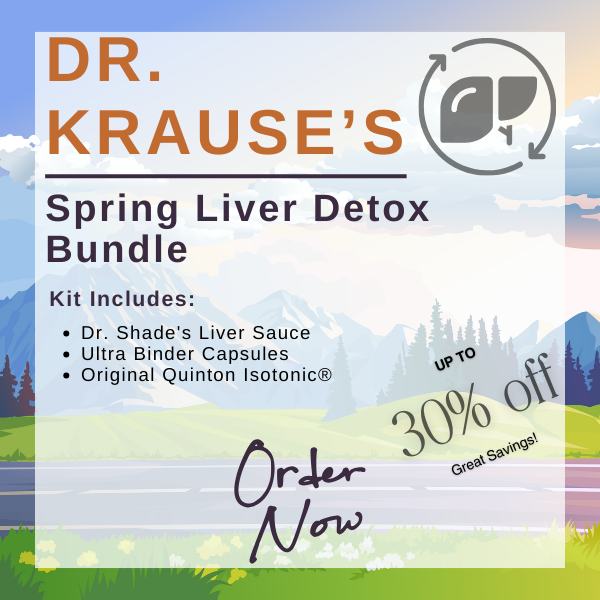
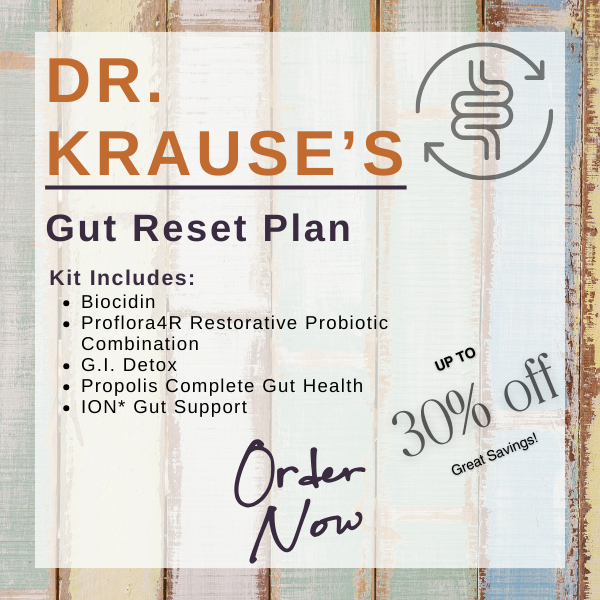
Traveling soon? Looking to detox or reset your gut? Try one of Dr. Krause’s Fullscript plans.


What You’ll Learn In This Episode:
- Why joints break down and what you can do about it before it gets worse
- The role of whole-body health and daily movement in preserving your joints
- Cutting-edge regenerative therapies: stem cells & exosomes explained
- How genetics and personalized medicine are shaping joint care
- Practical strategies to delay or completely avoid joint replacement surgery
- What “Clarity Day” at Victory in Motion is and how it gets you answers in one day instead of months
Resources From The Show:
- Dr. Marc’s Clinic – Victory In Motion
- Dr. Marc’s Book – Repair Not Replace: Natural Joint Replacement Without Surgery or Pills
Our Partners




Podcast Transcript
Chapters
00:00 Introduction to Knee Health and Surgery Alternatives
02:55 Understanding Knee Pain and Recovery Challenges
06:06 The Importance of Motion and Basic Exercises
08:42 Holistic Approach to Joint Health
11:59 Preventing Knee Replacements: Strategies and Success Stories
14:55 Innovative Treatments: Peptides and Exosomes
18:10 Genetic-Based Nutrition and Personalized Health
20:58 The Role of Balance and Agility in Joint Health
28:46 Understanding Cellular Communication and Therapy
30:53 The Importance of Prevention in Health
32:43 Post-Surgery Recovery and Rehabilitation
35:03 Addressing Knee and Hip Replacement Concerns
41:48 The Mission: Ending Unnecessary Joint Replacements
47:35 You Are Not Your X-Ray: A Holistic Approach
Jannine Krause (00:01.026)
Dr. Mark Pietropaoli welcome to the Health Fix Podcast.
Dr. Marc Pietropaoli (00:04.544)
Thank you, Dr. J. I appreciate it being here and I appreciate all your audience and I love your show.
Jannine Krause (00:10.168)
Well, thanks. You know, it’s right up my alley. So of course, being an acupuncturist and a naturopathic doctor, I’m trying to figure out a hundred different billion ways that I can help people avoid surgery. And boy, the knee replacement thing is really kicking my butt lately since I’m getting older and so is my population. So we have a lot to talk about today as a whole. But my first and foremost question has to be the knee in particular, because of course, guys, we’re going to talk about his book.
little bit later here. Why do you think the knee ends up being such a pain in the butt, especially for the recovery for folks? What gives? Is it because it’s trapped between two joints?
Dr. Marc Pietropaoli (00:55.178)
So meaning also recovery from an e-replacement or just in general? Sure. Well, it is a weight bearing joint. So we have to put weight on it. a lot of force goes across our knees, our hips, and our ankles, and our lower extremities, obviously. Every step we take.
Jannine Krause (01:00.607)
In general. In general.
Dr. Marc Pietropaoli (01:15.402)
you that’s four or times body weight. If you go up and down stairs, it might be more. If you start running or jumping, that can be 10 or 20 times body weight. And for every pound we gain, that’s another three or four pounds of extra force going across our joints. So I think the number one thing is there’s a lot of force going across those joints. The other thing is, especially for the younger audience, kids and the parents are pushing the kids to play more and more sports and specialize too early. So there’s a lot of overuse using the same muscles.
the same way over and over and over again versus when in the past it used to be three sports where you use your muscles and your joints and your tendons your ligaments differently and that was always a little bit more less stress on the body. So I think in the and then as people get older so I started out the same way I mean I started out practice in 1998 fellowship trained in sports medicine, orthopedic surgeon so I was seeing a lot of young athletes and a lot of more unfortunately tearing their ACLs like girls and now they you know
27, 28 years later, a lot of those patients are now getting older and they’re worried about having to need a knee replacement. And so I think it’s mostly because of…
the joint itself has to experience a lot of force and it’s not meant to really twist or turn a lot. And some of these activities we do do that. Then I also think, let’s face it, our diet, exercise isn’t, isn’t, as much a priority anymore. People are more indoors. They’re sitting down. mean, sitting at a desk all day is like smoking cigarettes, right? It’s terrible for your health. So we’re just not, we’re not, we’re not moving motion is medicine. Our name is victory in motion. So motion really is.
medicine and getting up and moving. So people aren’t moving enough, their diets are bad, they’re overweight, you know, many, many, most Americans, frankly, the majority of Americans are overweight. So that’s putting a lot of extra stress on our joints. Then you go try to fix that joint. And if you only concentrate on that joint, you don’t concentrate on anything else, of course it’s going to be difficult to recover from because you haven’t changed anything else. So I think that’s probably the most underrated thing is, yeah, obviously you do surgery on a knee and the knee is a very complex
Dr. Marc Pietropaoli (03:28.733)
joint and so the rehab is difficult and you’re weight-bearing on it so that’s difficult so it takes a long time but if you don’t change everything else it’s going to be a lot harder and you might just mess it back up again down the road so thinking about the whole person versus just the compartmentalized knee itself is a big part and I know that’s your philosophy as well.
Jannine Krause (03:50.434)
I mean, I can’t say enough about your book. It’s like, I’m like, can I hand this out to everyone? I don’t care who you are. You don’t have to have joint stuff. So I’m holding this up here, because of course we have YouTube as well. So guys, this is like not just thinking about, you know, you have knee pain. I’m talking about 30 year olds, 20 year olds. Like I would love to give this to every patient of mine because the motion thing.
is and really challenging the motion in different planes, you know, of direction, but also, like you’re saying, the dietary part, the I mean, my gosh, let me rein myself in because I get so excited about this kind of stuff. But I think motion is a big one to hit on because a lot of people will roll their eyes and be like, yeah, yeah, we know how to eat healthy, but.
as we already know. And I want to get into your victory slim, I believe it is in terms of the DNA testing. I want to get into like what that is in particular. But a lot of people are going to be like, okay, what we’re doing in our 30s and 40s.
is gonna be preventative for what happens in our 60s and 70s. And of course, some of my population that listens to the podcast might already be in their 60s, and they’re like, man, what do I do? So in your motion training classes, what kind of things are you, if we had to give top five motions people should be doing to protect their joints and knees, ankles, whatever joints you wanna highlight on, what should they be doing to help protect them?
Dr. Marc Pietropaoli (05:14.942)
Well, I think just like drinking water is very underrated for diet, right? It seems obvious, it’s right. So the same thing. mean, just straight old walking is huge. Just walking in and of itself. It’s not a huge stress on your body like running is, and I’m a huge runner, but just walking and getting up and moving any type of movements. Good riding. So if you, if you don’t want to walk, I mean, I do like the weight bearing exercises better, but
Jannine Krause (05:19.82)
and remind myself.
Dr. Marc Pietropaoli (05:42.143)
I mean, riding a bike is a tremendous exercise because it’s a lot lower stress, but it’s still moving. And again, moving our joints were made to move. If you don’t move, they start to degenerate. They get stiff and stiffness causes pain. I think that there’s certain exercises that you can do on. think what people don’t realize is that, yes, we
do a lot of exercises on both legs. But really most of what we do when we walk is we’re on one leg, then we’re on the other leg. When we run, we’re on one leg, then we’re on the other leg. So we don’t do enough single legs, single leg training. I think that’s something that is hugely underrated, single leg training. Stretching is not, mean, stretching is very controversial, but there’s a lot of exercises you can do dynamically, meaning when you’re moving that actually
Jannine Krause (06:12.93)
Mm-hmm.
Dr. Marc Pietropaoli (06:40.02)
function and work better at getting your range of motion back and making you more flexible than actually static stretching does. So a lot of people think static stretching or even ballistic stretching, that’s kind of the old way to stretch. mean, yoga is a, is is a great, great, great type form of exercise. You’re moving, but you’re also working on mobility. and you’re working on balance. mean, balance is so important.
So I think that’s a few that I could talk about. mean, just straight walking is just something that’s so simple. It’s what we’re meant to do every day. Drinking water and walking, like those two things are just bare minimum. And you start doing those on a regular basis and you start doing those over a 21 day course, for instance, like in my book. And next thing you know, you’re feeling better. Then you can start building on that. But single leg is another thing. Single leg exercises, single leg rehab.
people just don’t realize how important that really is.
Jannine Krause (07:37.108)
Nice. I 100 % agree. I 100 % agree. So what I’m hearing, Dr. is like we are over-complicating stuff. We need to get back to basics.
Dr. Marc Pietropaoli (07:46.945)
I agree with that. And I get super excited about like peptides and exosomes, all these little particles and all these new things that are out there. But if you go back to the ancients and not trust me, I’m, I’m involved with all those things and I do think they’re going to, they’re going to have a place. But next thing you know, you have all these things in your head. I should be doing this. I should be doing that. I should be doing this. I should be doing that. And you forget the basics and then that causes more stress, right? So people can be over,
Jannine Krause (08:02.382)
Yeah.
Dr. Marc Pietropaoli (08:16.48)
try to be over healthy. see, I actually see a lot of that as well nowadays. even my, my own kids, they’re into being healthy, but they worry about so many, every little thing. If you worry about every single little thing, then that creates more stress, right? And then you have cortisol release and that’s bad for you. So you get the reverse. And the best example I can use in my own personal experience, I didn’t talk about it much in my book, but he’s in there a little bit is my father-in-law. He’s 97.
He pretty much eats or drinks whatever he wants, but he doesn’t necessarily eat terrible food, but he doesn’t, he’s very, he’s always moving. He’s always gardening. He’s always doing something. he’s drinks. He actually does drink a fair amount of water and he also has low amount of stress. He’s always talking about next year, do this, do that. And he’s 97. He’s always planning on the next thing and he loves friends. He loves social company. We know how important that is.
You know, and so, yeah, we’re talking about the knee or joints, but it’s the whole body. It’s the whole person. And that’s how really you get people better. And in our training, everything is so segmentalized and compartmentalized and you only get, you know, in the traditional method, you know, what would you say the average, you go to an average, your average healthcare practitioner, how much time do they spend with you face to face? Exactly. That’s totally, that’s the absolute
Jannine Krause (09:38.26)
like seven to fifteen, if you’re lucky. Seven to fifteen minutes, if you’re lucky.
Dr. Marc Pietropaoli (09:44.725)
That’s the average, but let’s face it. There’s no way you can get to know somebody and treat everything you need to treat. So everybody’s treating their own little thing and, they’re not treating the whole person. And every, think we’re suffering because of it. and it’s not necessarily the doctor’s faults. It’s the system’s fault. It’s the way we’re trained and indoctrinated. It’s, it’s terrible. The system needs either changing or I think the system is very difficult to change. So we, I’m on a mission to really
with a bunch of other doctors and practitioners and healthcare practitioners, kind of create a new system. And I’d say you’re in that category as well.
Jannine Krause (10:21.934)
Absolutely, I think it’s time, you know, and yeah, the old system’s gonna just do what it’s gonna do and people will choose, you know, their adventure, whichever way they feel to go. you know, I think one of the things that we kind of look at in something you addressed in the book is like, okay, you’ve got a guy, I think his name was Wayne, where he ended up eventually, you know, having to get.
a knee replacement, but you you held it off for quite some time. And this is a situation that my husband is in. He was hit by a truck on his bike and tore up his knee pretty bad and um, tibial plateau and you know, all kinds of things. And they were like, yeah, you’re gonna have to get a knee replacement probably when you’re in your forties or fifties. Well, right now he’s 45 and has no knee pain because he’s been drinking water, you know, doing all the things.
Dr. Marc Pietropaoli (11:10.58)
That’s wonderful. Yeah, wonderful. Great. Good job.
Jannine Krause (11:13.846)
And so in this case, you I think this is something that we do want to talk about. Like, yes, there’s the systems there of the modern advances for when we need it. But I think what a lot of people are not sure of is the peptides, the exosomes, the advanced stuff and the joint preservation concept compared to getting to…
the like actually need to replace it. Can you describe for us a little bit of how it looks going from a state where you don’t quite need a knee replacement, there’s some preservation that can be done, and how long on average would you say someone could go through that phase? Is it indefinite if they keep really, you know, in some cases, could they completely avoid it even though the odds are?
Dr. Marc Pietropaoli (11:54.055)
Absolutely. mean, most people at we we can get most people to avoid a knee replacement or a hip replacement or shoulder replacement because
The book is, it does have knees on the front. And I do talk about knee repair, not knee replacement, because I had an event when I was younger and I was told there was no way to repair knees and there was no way to grow back cartilage. you know, and one of the chief residents told me that in the operating room and I made a, you know, I was embarrassed, but I said, I’m going to prove that guy wrong and figure out a way to repair knees and not replace them. hence the book now. But it’s not just, it’s not just knees. It’s, all our joints.
Jannine Krause (12:28.322)
you
Dr. Marc Pietropaoli (12:32.994)
And yes, I’d say the vast majority of people, I’d say 82 to 95 % of the people we see, we can prevent from needing a joint replacement for a long, long time, if not forever. I mean, most of them, we’ve prevented it.
forever, but even Wayne, was 44 when I met him and he was told by everybody that he needed a joint replacement and I was just starting out and I’d luckily, I had some really good training in my fellowship, which was the year after my five years of orthopedic residency training. It was a sports medicine fellowship with Dr. Andrews, who’s the greatest sports medicine doctor of all time. And they were more progressive, more, more into whole body, taking care of the whole athlete, taking. And so I tried to take that into my,
practice and it was difficult with my colleagues but when I spoke to Wayne it was day one of my practice and I was like I don’t think you need a joint replacement. He’s like what do you mean that’s bone on bone and so we can try a lot of other things first you’re only 44 if you get it now it’s gonna wear out again and you’re gonna need another one and that’s a lot more difficult surgery revision surgery is more dangerous it’s more it doesn’t do as well it doesn’t last as long doesn’t work as well so if you’re gonna need one you want to you know put it off for as long as possible obviously I understand as
people get older, their health may suffer, but that’s why taking care of the whole person and keeping them healthy, maybe they won’t ever need it, right? So the goal is to put it off for as long as possible. But even if someone’s in their 40s or 50s and you put it off 10 years, that’s a huge, huge, huge advantage that they hopefully will only need one and not need it down the road. But yeah, our goal is not only to prevent it or put it off, but it’s to prevent them from getting like, this is the harder part and this is the second
every part of my mission, but it’s been part of my mission for a while anyway, but trying to prevent injuries in the first place, trying to prevent the arthritis in the first place. And we’ve done that in many a time, but it’s a lot harder to convince a 20 year old, a 30 year old, even people in their 40s to do these types of things to prevent them from getting the arthritis in the first place.
Jannine Krause (14:39.886)
Yeah. Oh, the greasing the joints conversation go, it does not always go well for me to like convince folks. I can usually see like deer in the headlights to like seriously, really, but I don’t like working out. don’t like, I’m like, it doesn’t have to be. Do you ever, do you ever consult with folks on dancing and doing whatever they want for motion when you talk about motion?
Dr. Marc Pietropaoli (14:47.039)
it.
Dr. Marc Pietropaoli (14:58.874)
of course. Of course. Of course. Like Pam in my book, she wanted to get back dancing again. I met her because her knees were so bad, she fell and broke her pelvis.
And so I saw her, we got her pelvis better. And then she said, everybody’s telling me I need knee replacements. And the reason she fell was because of her, knees. And she had to have my, my grandson’s wedding is coming up. I want to boogie. I want to dance at the wedding. And we took her through a program and knee repair, not knee replacement program. And that, that required, you know, that took a few months to get her through that. And part of that is a total body fitness strength and conditioning RV motion fit that you were talking about. And we have experts who are not only healthcare,
And have medical degrees, but they also have fitness degrees and that’s we meld that together Everybody has to kind of have that who’s in our department and they take care of these people they’ll take they’ll take an hour with them not 20 minutes or 10 minutes and She chose to continue with that part of and she’s still doing that by the way She’s about 250 visits in but she bottom line is she wanted to get back Dancing and we got her back dancing Diane in the book. She wanted to get back doing yoga, you know motion is medicine
and whatever the motion is, go for it. So dancing, sure. My wife’s a huge dancer. She loves dancing.
Jannine Krause (16:17.542)
So you guys heard it here. You do not have to be, you know, in the gym. I want to reinforce that so much because I think when we hear workout, we like go, no. But dancing is so many moves that are one leg. You know, you’re picking up the leg, you’re moving. You know, I am a huge fan of that department. It’s just, I’m a huge fan of having fun. And I think that’s where a lot of us have kind of gotten into the seriousness of life and forgot.
Dr. Marc Pietropaoli (16:21.096)
Yeah.
Dr. Marc Pietropaoli (16:30.24)
Totally. Absolutely.
Dr. Marc Pietropaoli (16:41.44)
Well, you’re not going to continue it if it’s not fun, right? So let’s say dancing, let’s say, you know, even walking, is it that strenuous? No, but if you don’t want to go to the gym and you don’t want to do other things, at least do something you like. Hiking, people love to hike, especially where I, I’m in upstate New York. People love to go hike. Um, that’s one of the most common things people want to get back to that I see. And yeah, hiking’s a great exercise, uphill, downhill, uneven ground, single leg. mean, your stability.
mobility, balance, it’s great.
Jannine Krause (17:16.11)
Do you guys do a lot of balance training, like agility and balance training in your work?
Dr. Marc Pietropaoli (17:20.69)
Absolutely, yes. we even, for the longest time, we had a gate and balance, specific gate and balance program in and of itself. We have a balance plate. It basically tests your balance. You look straight ahead and we have you close your eyes, open your eyes, and it can…
put down what your, you know, graphically what your balance looks like. Then we also would even do VNGs, video nystagmography, to see if there’s an inner ear problem because a lot of balance issues come from that as well. They can come from musculoskeletal, they can come from different neurologic problems, neuropathy, meaning numbness and tingling in the feet, things like that. So we would test for all that stuff. I mean, the success rate’s amazing to get people, improve their balance because if you improve their
balance are less likely to fall and if they fall and break their hip people who fall and break their hip one-third of those people die within a year.
That’s crazy. So we can, that it’s all about prevention. There’s so many preventive things, but then people either don’t want to do it or the insurance won’t pay for it. And you know, cause we were trying to get that through insurance and they wouldn’t pay for it. And sometimes they would. And then patients didn’t want to do it if the insurance wouldn’t pay for it. And it’s kind of sad. I know it’s kind of sad. So eventually by, by the time, you know, three years ago came around two years ago, about 80 % of what we did and what we offered was not
covered by insurance that might be using your own blood, your, your platelets, which have growth factors, PRP platelet rich plasma, using your own stem cells, your bone marrow has stem cells. has other cells that help the stem cells laser therapy. I love it. I love that. that a towel patch. I want to know if you have used that thing. That’s pretty cool, but like we use lasers as well to stimulate the mitochondria. Obviously acupuncture stimulates microcirculation, the autonomic nervous system and nitrous oxide and, and indirectly the mitochondria. So it’s all about,
Dr. Marc Pietropaoli (19:20.198)
are getting our mitochondria, which are the little powerhouse of our cell, fired up and there’s lots of different ways to do it. So we use laser. Laser really is good for that. And then the total body fitness and then a genetic based nutrition where we figure out genetically what the best diet is for you because people are always experimenting. They don’t know. You know, I struggled with that for years. I just try to find someone in my office who could help people with their nutrition, but everybody has their biases. Like you get someone you like, you need to do vegan only, or you need to do
carnivore only or you need to do, you know, Atkins only. Like they’re so stuck on one way, but there isn’t one type of person. There’s eight billion type of people and everybody’s different, right? So testing their genetics and figuring out what the right diet is, has been huge for us. And there’s also lasers that we use, red light laser, a little bit different wavelength that opens up the pores on the fat cells and helps the fat drain out and helps get rid of inflammation because fat causes inflammation.
but it also helps people lose that weight and get that jumpstart. then because the diet takes a while, right? No matter what it’s going to take a while to kick in and lose the weight and even the exercise part. So we like to get them some quick wins and the laser helps with that. We don’t want someone, you know, you relying on laser to lose weight all the time. It works, but like you’re not going to eat, you go home and drink beer and eat Twinkies. You’re, you know, that’s not really healthy. So we use that. And then the dot, the, the genetic based diet to your own genetics.
really has been effective for us.
Jannine Krause (20:53.654)
Nice. I like the genetics for the diet. I think it really helps people and a lot of times it surprises them because they think they should be one way and sometimes it’s a complete opposite.
Dr. Marc Pietropaoli (21:01.866)
Completely.
even exercise. So that test that we do, it’s just a mouth swab and it will, you’ll, you know, we have, have a registered dietitian who will go over it. like a 30 page report. Not everybody wants to read it obviously, but she will go over it and you know, you’ll learn what the best proportion of your macronutrients are, your carbs, your proteins and your fats, right? A lot of people, I think don’t realize they need to eat more good fats, not bad fats, good fats, get rid of the seed oils. And so people, that’s one thing that surprises people like you.
just said, then all the micronutrients, then the vitamins, the minerals, any sensitivities, any true allergies, even different forms of different vitamins and things like that. Like there’s a liquid form of vitamin B12 that works better with my genetics than if I took the pill form. So those type of subtle things. And then it even talks about what the best exercise is for that person. So some people like, I want to do HIIT training. want to do, I
to do you know cross training and then it turns out there’s a different type of exercise that’s actually better for them. For me I always you know over time I basically drifted toward I like running a lot and I like running long distance and I’ve run seven marathons.
It turns out my genetics show that that’s the type I’m not a fast person. I’m not a sprinter, but I am a long distance endurance person. And it shows that. So I felt good about that. But sometimes it shows somebody who thinks they want to be endurance that they’re not, and they should do, you know, hit high intensity interval training, those types of things. So it really helps us personalize even the exercise portion of things.
Jannine Krause (22:23.79)
Yeah.
Jannine Krause (22:44.706)
I think that’s fascinating. I think it’s fascinating to see that because for a lot of people when we’ve done it, they’re like, that is not what I even imagined I should be doing. And I’ve been eating carnivore for whatever and no wonder it’s not working or keto or whatever. It’s really interesting. That’s so cool.
Dr. Marc Pietropaoli (22:59.722)
Right.
And it’s great also because people are worried they’re going to have to…
Go on a meal plan or do this or do that, eat cardboard food. No, you’re going to eat real food, but you’re just going to eat the real food that’s best for your genetics. So they go to a restaurant. They know if I order this, this is healthy for me. They go to a grocery store. If I buy this, this is healthy for me and it’s real food. So it’s kind of simple, simplistic. It’s not really that difficult to do once you know what the right things are for your genetics. And can you cheat every once in a while? Of course, you know, that also is okay. You know, that’s okay.
I mean, if ice cream’s not good for you, occasionally get an ice cream, you know, maybe it’s good for your mental health. So we don’t have to be super duper duper strict.
Jannine Krause (23:48.462)
I find that that’s in my industry, especially as being a naturopathic doctor. Sometimes I feel like I’ve even caused people to feel like they have to be that neurotic and I feel bad.
Dr. Marc Pietropaoli (23:57.001)
All of us, yeah. All of us, yeah. We’ve all done it.
Jannine Krause (24:00.43)
It’s crazy. But nevertheless, you know, this is a good thought process. Now, one of the things you mentioned, and I think a lot of people are going to be like, hmm, okay. So you mentioned the red light for the weight, right? And we talked earlier about how weight really contributes to adding a lot of load on the joints. And that’s why we end up with joint issues. Now, a lot of folks right now are using peptides, the weight loss specific peptides, but you also mentioned exosomes and you mentioned some of the other peptides you might be using, like maybe BPC 157, TB 500.
I’m super curious on these with the exosomes and all that and even the stem cell. How do you differentiate when you use what or what someone might be good?
Dr. Marc Pietropaoli (24:41.716)
Well, in the United States, the FDA has a big say on what we can use or not use. So I think that’s the biggest thing. do, I am.
I do have access to a clinic in the Caribbean that we are able to do some of these things that we can’t do in the United States. And I was also just recently in Dubai before all the shooting and everything started going on. But I was there maybe a week or two before that. Beautiful. And we had an amazing conference with a lot of regenerative medicine doctors from all over the world, all over the world. And the stuff that’s going on is amazing.
So how do I explain this? think the best way to explain it is what does the FDA allow us to do in the United States definitively? We can definitely use your own blood and your own bone marrow and even your own fat to get growth factors in cells.
So our blood has platelets and the platelets are those things that when you cut yourself you form a scab and you stop the bleeding You don’t bleed to death but platelets also have growth factors and they release those growth factors and those growth factors stimulate new blood vessels and cells to come in the air and it helps you heal so by taking the blood spinning it down in a centrifuge kind of like a washing machine and The platelets will settle out we can concentrate them take them out and inject them now the younger you are like if you’re 16 if you’re in your teens or 20s Sometimes that’s all you need to help something heal
As we get older, they don’t work quite as well. They still are great and we got to make sure we have the right dose I mean, that’s another thing that people don’t understand is you know, I did peer you will Did you really have the right dose? Did you really have the right amount that that’s a lot of subtleties there that I’m probably not gonna get too much into but that’s really important and Then our bone marrow has stem cells It has other cells that help the stem cells stem cells are obviously cells that can turn into anything cartilage tendon bone ligament heart lung liver Whatever in the right circumstances
Dr. Marc Pietropaoli (26:31.163)
But stem cells also are almost like boss cells. They’re kind of like Chip and Joanna Gaines. They can go in and they like Chip and Joanna can go into an ugly nasty house and you know go in there and they can they can Remodel it themselves and make it look amazing, right? But they can’t do that You know they that what they do is they tell they have a crew and they tell their crew what to do and their crew does most of the work so they’re kind of the bosses and they can do some of the work and that’s kind of what stem cells do they tell other cells
go in there and remodel that knee, fix it up. It’s going to, you know, still be the same knee. It may have a few quirks, but it’s going to be much better. It’s going to be healed. It’s going to be less inflammation. It’s going to function better. The ligaments are going to be stronger, all that stuff. So it’s like we’re remodeling the area. We can’t turn an 81 year old knee into an 18 year old knee, but that’s kind of how STEM cells work. So we can take your bone marrow. We can take your fat, believe it or not, and we can process it in a way, not over process it because that’s against the rules. and we can concentrate it.
and inject it back in. The nice thing about bone marrow is it has stem cells. It also has other cells that help the stem cells. So I like bone marrow. It also has two lines, different lines of stem cells, hematopoietic blood stem cells, and it has mesenchymal like body stem cells. So I personally like that better. But what we can’t do in the United States is we can’t take your cells, we can’t send them to a lab or in our own lab, grow them, culture them, and then inject them back into you. There’s some rare exceptions to that. Like it’s a research study and there’s another.
company that does it if you want to fix a cartilage defect in a knee for instance, but it’s very rare. We can’t really do that. We can’t use other people’s stem cells. So that’s another thing we can’t do in the United States. Even though I know there’s people who do it, that’s against the law. And so we can’t take umbilical cord stem cells or placenta, because the umbilical cord and the placenta are going to be thrown out anyway. And so, but there’s young, young stem cells in there and so theoretically the younger stem cells work better than older stem cells.
stem cells from someone else work better than your own younger stem cells because you can donate your own like that for your kids and stuff like that but we’re not able to use those yet either for what I like to do so anyway I not to try to confuse it but we can’t use other people’s stem cells that’s the bottom line overseas that can be done. Axisomes. Axisomes are little tiny
Jannine Krause (28:37.13)
Dr. Marc Pietropaoli (28:51.236)
vesicles meaning like a little bubble that comes off of a cell and it has messages it has growth factors and messages in it and that’s how cells talk to each other there’s a lot of other ways they do as well but let’s just one way so they’ll bubble off a little message and that message will go to other cells and they’ll tell them what to do exosomes are not allowed in the u.s you can’t use them in the u.s only for maybe plastics and facial
Jannine Krause (29:15.31)
Thanks.
Dr. Marc Pietropaoli (29:18.228)
but you can’t technically use them in the United States. I think someday we will, but they’re not, they haven’t been tested enough. I think they are pretty amazing, but in my mind, the cell is what does everything. So I think the cells are the most important thing. So cellular therapy is better.
The reason people are trying to go exosomes and growth factors and peptides and things like that is because those, some of those you can just put in pill form or injection form or store on a shelf without having to de-freeze them. Cells, you have to de-freeze them if you want to preserve them and then thaw them out. And so that makes it harder, but I still think cells are the best because our cells do the work.
And so if you can use cells, that’s the best. It’s a bit more complicated. So there’s no, and maybe you don’t want it to get to the point where you need to use cells either. So maybe by using peptides, maybe by using access zones, maybe by certainly the right diet, the right exercise, all the light energy, acupuncture, all these other things, maybe you can prevent to get to the point where you need to even use your cells or somebody else’s cells to help yourself because you’ve already stayed in balance and you never, you never need to break. You don’t break down and you won’t need it. That’s the real goal.
So I think those things are more important for prevention. They’re gonna be important for treatment too but like we want to really prevent in the long run and If you keep yourself in good shape your cells can do they already every day They already do your cells and your growth factors like you’d fall apart if you didn’t if they didn’t work So they do work. It’s just occasionally in some spots like the knee or a tendon or wherever It could be the liver you might need a little extra help and that’s where we come into play I had a guy tell me doctors. Thank you
much for your help you helped save my knee and I said no no you saved your knee he’s like what do mean I said well I just took your cells and I took your your growth factors and I let you I just helped your body heal yourself you healed yourself he’s like wow so I don’t have to pay you not just kidding but no he appreciated it and and that’s the point you’re you’re healing yourself
Jannine Krause (31:13.806)
this.
Jannine Krause (31:20.994)
And at the end of the day, mean, obviously you have to make a living, but at the end of the day, we would be much happier if people were healing themselves. There’s no doubt on that. And I love that you say that because unfortunately, I think the way medicine has gone and all the influencers and social media, think it’s kind of, we’ve all been convinced that we need to look for something outside of ourselves.
Dr. Marc Pietropaoli (31:29.376)
1000%.
Dr. Marc Pietropaoli (31:45.482)
Yeah, you should just put that that’s there you go. There’s a social media post right there. Seriously. That’s a great line. That’s a great line. It’s thousand. It’s so true.
Jannine Krause (31:55.95)
It’s one of the things that we learn in Chinese medicine, circulation. And it’s essentially how do you circulate motion, just like you’re saying. And if someone’s not getting circulation, that equals pain. And so, if we’re looking at it from the lens, like you’re saying, if we can get the cells primed up, you can get the mitochondria primed up, red light therapy, laser, heat even, I love hot and cold. Do you guys have like the, God, what are they called?
Dr. Marc Pietropaoli (32:17.49)
Yeah.
Jannine Krause (32:22.434)
game righties. I’m trying to think of the thing where you you flush in.
Dr. Marc Pietropaoli (32:23.884)
Yeah, game ready is, I did have to have surgery. I mean, I’m a surgeon still and there are still things that are always going to need surgery. If you have something loose floating around your knee, all the shots and all the acupuncture, all the whatever, that’s not going to get rid of that loose thing floating around in your knee. But the acupuncture and the shots and the, they can help you get in better shape beforehand. So you recover faster and they can help you recover faster afterwards. But.
I forgot what I was going to say there. got so excited, but what were you… Well, the GameReady, it was my best friend. It was my best friend after the surgery. We love using those cooling units. Yeah, they’re great. GameReady is probably the best one. It’s a lot harder to get nowadays than it used to be because the company took more control. We used to buy a whole bunch of them and use them in our clinic and rent them out to patients and everything.
Jannine Krause (32:53.575)
the game- the game ready thing. Yeah. Yeah.
Dr. Marc Pietropaoli (33:18.366)
Now you have to go directly through them. So we use some other brands, they’re all, you know, we use brag, we use polar care. So they’re, they’re very helpful. Yes.
Jannine Krause (33:28.386)
How do you feel about things like Normatech in terms of helping with lymph and moving circulation that way on those things? What’s your thought?
Dr. Marc Pietropaoli (33:36.139)
I mean, I don’t have any experience with that, but again, know, getting this, your circulation includes your lymphatics, right, as well. So getting, the lymph gets rid of all the garbage, right? So bring blood in, get the lymph and the swelling out. It doesn’t only get rid of the garbage, but it does get rid of a lot of garbage. And you want to bring nutrients in and get the waste out.
And so anything that does that, there’s so many different modalities to do all this stuff, right? There’s so many things. Yeah.
Jannine Krause (34:06.638)
I’m like, Rebounders is my favorite, the bouncing and like, my gosh, who didn’t love a trampoline when you were a kid? I mean.
Dr. Marc Pietropaoli (34:13.384)
Yeah. Yeah. No, we have, when we were after, after somebody does one of our red light laser treatments for the fat loss, we put them on one of those machines, the, the, and it vibrates the heck out of them. And that helps with the lymphatic drainage. So I believe strongly in that for sure. Any way you can improve it. Again, I think our lymphatics, you got to consider that part of the circulatory system. is.
Jannine Krause (34:23.01)
of this.
Jannine Krause (34:37.432)
So huge. I love all that stuff. I love talking to people while I had the vibration.
Dr. Marc Pietropaoli (34:41.829)
yeah,
Jannine Krause (34:44.206)
It’s always a good time. Now, one of the things that, you know, a lot of people that, I mean, sadly this week in my office, I saw three folks, two are getting ready to have knee replacements, but one of them is having a repair on a knee replacement where there was so much inflammation, things did not go well. And she’s terrified because she’s going, what is gonna happen this round? So I’d love for you to kind of talk about like, what do you do for the folks that have had?
knee replacements and the or hip replacements because I’ve seen that not as much as knees. Knees and shoulders seem to be the props for my
Dr. Marc Pietropaoli (35:12.256)
Great question. Yeah, Sure. Yeah, no, we had a lady who came to us and she had a knee replacement. She had, it was similar to your husband, she had a fracture and then she had a knee replacement and because she had the fracture and her knee was stiff to start with.
a knee replacement is not going to improve your range of motion. That’s why getting as much range of motion back before any surgery is always so important before doing the surgery. And that’s where, again, whether it’s PT or acupuncture or laser or anything that’s going to help that mobility beforehand is going to help. for the people who have had knee replacements and they’ve lost their range of motion, there’s a lot of things we can do for those soft tissues. And I’m sure that you can do as well for those soft tissues to, cause it’s usually a soft tissue problem.
Because the joint’s gone, the cartilage is gone, it’s just metal, plastic and cement. So the surrounding soft tissue envelope, the skin, even just the skin can get tight, right, scarred. The subcutaneous tissue, the fat underneath the skin, we do need some fat and that’s not, you know, it’s been scarred down so getting that mobile again is big. Tendons, ligaments, the joint capsule, the casing around the joint, that gets tight. Instead of being nice and elastic,
like a nice stretchy shirt, becomes like leather. But the good news is it can stretch out. Scar tissue does stretch out. It’s like pizza dough. You have to keep working it and you have to keep, maybe you got to warm it up a little bit. Maybe you got to add a little water to it or a little, you know, a little, you know, blood flow to it to get it more, um, to the point where it’s pliable and we can stretch it out. That’s where the manual therapy with the hands comes into play with our, our rehab specialists.
but we absolutely can help people after the fact with these problems. So she couldn’t even barely bend to 10 degrees. And her goal was to go to a Yankee game and walk up the steps at Yankee Stadium and be able to sit in a chair and bend her knee at 90 degrees, which she couldn’t do. So that was what we got her to do. So we like to find out what is your goal. And then once we know what your goal or your goals are, we can customize a program for you. And that was her goal and we got her to be able to do that.
Jannine Krause (37:21.068)
Yeah.
Dr. Marc Pietropaoli (37:29.76)
We weren’t able to make her knee perfect, but we absolutely improved it. So we have a lot of people who have pain. You want to rule out infection first of all, because metal, plastic and cement joints can get infected at any time. And unfortunately you heard the story in the book about my dad, how he got a hip infection and it was just a terrible story. you got to make sure there’s not an infection. You got to make sure that metal, plastic and cement isn’t loosening. So those are the two kind of very serious things that you want to rule out. But if those things are, if the joint is normal and there’s no infection,
the hip replacement is normal or the knee replacement is normal and there’s no infection, then it’s usually the surrounding soft tissues. Honestly, it’s kind of a home run to be, I mean, it takes time, but we absolutely can help people. going in and doing another surgery, like that used to be the answer a lot of times. I remember when I was in my training, someone had a knee replacement. It looks perfect on the x-rays. Everything looks great. You know, there’s no evidence of infection. We tested it for infection. We tested it for loosening. It’s not loose. It looks perfect. What can I do?
Well, nothing or we can cut it open, take the whole thing out and put a new one in. That’s a massive surgery. And that’s not a good answer, but that’s all that I was trained on. But there’s so many things we can do with that surrounding soft tissue envelope to help it get better. sometimes again, losing weight can help with that exercise, like all the same things. And I know people think I tried physical therapy, it didn’t work. Well, the poor physical therapists, only get 10 or 15 or 20 minutes, maybe a half hour.
based on the insurance. I mean, if you were able to work an hour with every single person, I don’t know how long you work with everybody, but like you said, you said something like, if I could work every day with someone, it’s going to, right, I’m going to do a better job at them. It’s the same thing. It does come down to taking more time with that person. It’s going to take time, but we can almost always help them get better.
Jannine Krause (39:08.718)
Yeah.
Jannine Krause (39:20.59)
Yeah, no, I think you need an hour. If you’re getting body work, you need at least an hour to get something and sometimes 90 minutes depending on on what’s up. you know, my biggest thing lately is because of course I’ve only have two hands and one person here. I’ve you know, I teach a lot of folks how to do stuff at home and I’m guessing you guys do that too. You got the home.
Dr. Marc Pietropaoli (39:24.018)
Absolutely. Yeah, I agree. Totally agree.
Dr. Marc Pietropaoli (39:39.177)
Absolutely. Yeah. And even, even like a lot of patients are like, I’m not going to go, you know, I can’t come see you or I can’t do this because I live, you know, wherever. Well, we people from Canada, lot of people from Canada, all over New York state. I’m in New York state, upstate New York near Syracuse. We get people from all over the U S we get people from Europe. had a woman come from Belgium. We did her pre procedure, her programs. stayed for a week. She went back and then we did everything through this. We did everything. COVID
you know, it was, had a lot of bad things, but it did have some good things that came out of it. And one of them was telemedicine became really much more, you know, prominent and we, we do that a lot. We have a lot of patients who live in upstate New York and go to Florida for the winter. So we’ll work with them in this regard. So yeah, helping people help themselves. That’s what it’s all about anyway, in the long run, right? Right.
Jannine Krause (40:31.054)
100%, 100%. I’m like, I like seeing y’all every week, but I really would like to see you doing things. want you, you know, at the ball games and doing, doing all those things.
Dr. Marc Pietropaoli (40:36.628)
Yeah, right. Yeah. We work hard with people. The first one, any of our programs, you know, are usually going to take about 12 weeks is kind of your average of the working directly with us. And then we file you once a month for a full year. We file you for, you know, at least a year, sometimes even longer, but usually that full year. But our goal is to get you where you’re independent and you’re doing the things you want. Like Diane in the book, she had a
She was told she needed a knee replacement. She didn’t want one. She couldn’t walk her dog and she couldn’t do yoga. Speaking of yoga, she loves yoga. So we got her better. She now is doing yoga poses like you wouldn’t believe. just, we just did a post. couldn’t, she’s like, she’s like, I can put my foot in my mouth. like, that, but not physically, you know? And she’s, she’s doing amazing, but she, she comes in once a year for a checkup, but she does everything on her own. actually, she, she exercises. She goes to the gym.
Jannine Krause (41:21.902)
You
Dr. Marc Pietropaoli (41:34.484)
We taught her all that and she’s in great shape. I see her in mass every single Sunday and she’s doing amazing.
Jannine Krause (41:41.55)
See, that’s what I like to hear. That’s what I like to hear. And you’re on a mission, though, with like, we got to talk about your mission by 2043. So let’s have you explain it, because you add the words better than me on it. What are you?
Dr. Marc Pietropaoli (41:55.041)
Well, we want to, I, my background, was told there’s no way to repair a knee and you have to replace it. And that’s what I was taught during my training. And I said to myself way back when this is like, I don’t know, in the nineties that I’m going to figure out a way to repair knees and not replace them or repair joints and not replace them. Then, um, you know, probably 15 years ago, my father, um, unfortunately he got sick, his hip got infected like 10 years after he got the replacement.
It was a real disaster, six months of just rehab. They never were able to put the hip back in. And then eventually all that stress, I think led to pancreatic cancer and he’s no longer with us. So that’s when that was the catalyst for me that said, I’m going to really do this now. I want to do it and figure out a way. And then over the years I figured all these things out. Most of that’s in the book. And then when COVID hit, I put all these things together in programs. Cause I was still doing an occasional knee replacement even back then. And
One I said to myself, I know if I put all these different components, a lot of which we’ve talked about here, bone marrow, stem cells, PRP, laser, genetic nutrition, total body fitness, all these things together that it would work better than just doing them individually. And it turns out it did. And that’s happened because of COVID because I couldn’t do surgeries and I, all I had to offer was this. And I came up, even trademarked the name knee repair, not knee replacement. It works for any joints.
And so then my goal was, especially because of my father, I’m like, I don’t want anybody to have to go through what we went through. and at least the studies show at least 25 to 30 % of joint replacements are unnecessary, at least. I think it’s even higher than that. So my goal is if we can put somebody on the moon and bring them back back in 1969, you know, there’s no reason we can’t end the need for knee or joint replacements by the year 2043 knee replacement.
free by 2043, it kind of rhymes. So that’s part of the reason, but it will take some time right now, a dollar from every book. And we also have a channel, a dollar versus million dollar challenge with the arthritis foundation. We’re trying to raise a million dollars, $1 at a time to at least start getting the word out. And this is part of it. I really appreciate you letting me come on and talk about what our mission is, but getting the word out is the first phase. And then after that, you know, the improving
Dr. Marc Pietropaoli (44:19.84)
people who are already damaged and getting them to avoid a knee replacement is kind of what we’re doing almost because we’re forced to because so many people have gotten to the point where they’re too damaged. But in the long run, and I’m simplifying things, if you read the book, there’s a whole plan I have there and I’m sure that’s going to change because AI and everything is changing every day. But the goal is get the word out, get the people who are already damaged as best as possible and try to help them avoid it.
But the main goal is what we’ve been talking about a lot here is to, to prevent people from getting arthritis in the first place. And that is the most exciting part. And we know for a fact that people who tear their ACL end up getting arthritis. If you don’t do surgery, it’s maybe within four or five years, 50 % of people. If you tear your ACL, like that, that main pivoting ligament, when you play soccer or basketball, everybody’s seen it on TV. When you tear the ACL, if you get an ACL reconstruction where we take a new
ligament, make a new ligament from a piece of your tendon. Those people still get arthritis. It just pushes it off 10 or 15 years. Now there’s a newer procedure where we can actually repair the ACL. It’s called a Bayer Bridge Enhanced ACL Restoration. And I was actually the first one to do it outside of the clinical studies back in 2021, but it’s been proven now. The FDA now has let the company say that it lessens the risk of arthritis if you tear your ACL and you need surgery. But we don’t, want to prevent you from tearing it in the first place. So there’s a
program and there’s a lot of programs, one particular called sports metrics, but there’s many of them where we can train athletes. Female athletes are five to 10 times more likely to tear their ACL than males. There’s a whole bunch of reasons why, but we know most of the reasons. And if we modify those reasons, 50 to 75 % of people will not tear their ACL. We can cut it by 50 to 75%. So I want to somehow be able to get that into every, you know, high school or college in high school. And then maybe
middle school, and then even start training the younger youth organizations. That will massively cut down on injuries, which will massively cut down on arthritis in the long run. So that’s just one example. There’s a ton of different things. I’m to need a lot of people to do this. That’s another reason I was speaking in Dubai recently is because I’m helping train other doctors and help other doctors come to this philosophy, get out of the old system and let’s all try to end the need for new replacements and joint replacements by 2043.
Jannine Krause (46:47.38)
I love the mission. I think it’s fabulous. I would love to talk to every coach of kids because I’m looking at, you know, my childhood and it’s no offense to the coaches. These are parents that are volunteering that, you know, probably never went into any doctor school. You know, there’s like, they don’t have a medical background, not in many cases. And so this is so important. And I…
Dr. Marc Pietropaoli (47:05.472)
That’s a good one.
Right. Absolutely.
Jannine Krause (47:13.826)
When I saw your book and I saw the pitch for you to come on, was like, yes, please, because it’s everything that I think about on a daily basis. And I want to end with one thing that I want to leave folks with, because this is the other thing that struck me about your book and something that I always tell people in a little bit of a different way. Look at that edit here, guys. It says you are not your x-ray. I tell people you’re not your labs. And this is something that we take these around.
come to me and be like, look, I’m bone on bone. Look, I have this, look, I have that. Therefore, it’s like, I have this, therefore I can’t do that. And now we’ve got these false beliefs. So let’s dispel this before we end because I feel like I wanna leave folks with your mission and something to ponder a little bit when it comes to imaging.
Dr. Marc Pietropaoli (47:53.258)
Totally agree.
Dr. Marc Pietropaoli (48:05.202)
Right, I mean you’re not your x-ray because the x-ray is just one tiny little piece of the puzzle. It’s very important.
But I guess that gets us to the clarity day. How do I figure out, how do I even decide if someone’s a candidate for knee repair and knee not replacement or repair not replace? The way we do it is we, number one, we spend time with people. So we’ll set aside myself and my team four or five hours to see somebody. And they might say, I don’t want to come for four or five hours. Well, it’s been four or five months and you still don’t know what’s going on by going through the traditional system. So then they’re like, okay, I get it. And I’ll spend, we’ll get all their old records.
We’ll get all their old imaging. We’ll have that all on the head of time. When I meet with you that day or my PA or whoever from my team meets with you, we’re going to concentrate on what’s currently going on. I’m going to actually do a physical exam on you. Surprise, surprise. A lot of doctors don’t do that. Sadly, a lot of patients will say, he just put my x-rays up and said I need a knee replacement. Right? So we’re going to do a physical exam. I also like using ultrasound because you can look at a joint live dynamically moving. I do get x-rays because x-rays are important.
and you have to get the right x-rays. sometimes people for a knee, for instance, they won’t get x-rays of the kneecap or they won’t get weight-bearing views. Sometimes you can get fooled and think there’s more space, but when you get the weight-bearing views, the person standing, it’s narrower. And then the same thing, there might be no arthritis on most of the views, but if you look at the kneecap, there might be a lot of arthritis under the kneecap and maybe that’s where it’s coming from. So we do the x-rays, we’ll do an MRI looking for these bone marrow lesions. There’s, as your cartilage wears down on the end of the bone, kind of like the trident a tire.
the bone starts to break down faster and the body can heal itself. You get these stress or micro fractures. Most of the pain from arthritis comes from the bone because bone has millions of pressure sensitive nerve fibers, cartilage doesn’t. So those little stress or micro fractures, if they’re in your bone, you can only see them on an MRI. If they’re there, you’re nine times more likely to go on to need an ear replacement. And it sounds like a terrible thing, but we can actually repair those stress or micro fractures by taking good stem cells and injecting it in there from your bone marrow. And Dr. Hernigo had a study, looked at 140 patients.
Dr. Marc Pietropaoli (50:10.818)
And he did a knee replacement on one and he did stem cells on the other followed him for average of 15 years 82 % of the people who just got the stem cells no big huge surgery never needed a knee replacement So when people say there’s no evidence and there’s no studies there is so then we’ll do all that then we’ll have you evaluated your whole body evaluated not just your knee because your whole body affects everything and That’ll take an hour with our total body fitness people We might do a nutrition evaluation, but that’s usually that would be a separate step
know because that takes time to do. But we’ll get together with you and we want you to bring a loved one always. It may be a spouse, it may be a partner, it may be whoever. Second set of ears. We’ll go through all your goals. So whatever your goals are that’s the type of plan we’ll come up with. And then we’ll come up with usually if we can’t help you first of all then we’ll find you the right place to go. But I’d say 95 % of people we can help figure out what’s wrong and we’ll give them some options and then it’s their choice. We’ll educate. It’s more about an educational visit first but it’s a full you know it’s a good half-day visit.
that is how we figure out what the root cause is. Once we know what that root cause is, then we can treat the problem. And that’s why it’s not just an x-ray. like it’s talking to someone and sitting down and talking and spending time with them is way more important than an x-ray.
Because what if it’s there? I can’t tell you how many people who’ve come and said they have bone on bone. We repeat the x-rays. First of all, they don’t have it. But even if they do, their back a lot of times or their hip or their ankle might be causing. So we had a lady, she was told she needed knee replacements on both knees. Imagine this. She was going to get surgery on both knees. 71.
We get the x-rays, she’s not bone on bone. We get the MRIs, she doesn’t have any stress or micro-fracture. Her knees look pretty good. Maybe a little bit of arthritis, nothing terrible. Should we send her over to our total body fitness people? The normal PT would just look at the knee, right? Or maybe a little above and below it, because they don’t have time. It’s not their fault. They know how to do it.
Dr. Marc Pietropaoli (52:08.414)
This our people look at the entire body from head to toe. They did some maneuvers with her back. She got her quote knee pain got 90 % better. She never needed injection. She never needed surgery. We did total body fitness. We did some laser and she’s 95 % better and never needed surgery and she’s very happy. And there’s all it’s all on our social media. She’s on our social media post. name’s Lee. we have a lot of good examples of these people on our social media, victory in motion one or Dr. Mark Pietropaoli.
Jannine Krause (52:38.926)
It’s what I want people to hear because I’ll see a lot and folks will tell me that and I’m looking at their whole body too and going like, well, your right foot’s out like this and you got a big bunion. Anyone look at that?
Dr. Marc Pietropaoli (52:50.528)
Yeah, and you’re walking because that foot hurts, you’re walking weird on it, and now your knee hurts, but it’s actually not your knee. If we get that foot fixed, your knee’s going to feel better. Or it can be both, but let’s fix both because we get your knee better and your foot’s still a problem. Guess what? Your knee’s going to start bothering you again down the road. So yeah, it’s a holistic approach. has to be.
Jannine Krause (53:10.902)
It has to be. my goodness. Dr. P, thank you so much for coming on. I’m excited to share this one. We definitely want folks to check you out. You described your socials of where they could find you. What is the name of the town? Because I see it starts with an S and it’s got all kinds of letters.
Dr. Marc Pietropaoli (53:15.296)
Thank you, Jack.
Dr. Marc Pietropaoli (53:29.44)
It’s called Skinny Atlas New York and it’s near Syracuse.
about 23 miles southwest of Syracuse, beautiful Finger Lakes area. It’s a beautiful area of the country. So when you come up and visit, know, especially as it’s getting warmer, it’s very, very nice, but it’s nice all in all the seasons. And so victory in motion. We’re in skinny Atlas, New York near Syracuse, 315-685-7544 victory in motion.com. But also if you get the book, if you go to Amazon type in repair, not replace.
the contact information, everything’s in there, all the stories we talked about, and it’s written for patients. So not that if you’re a doctor you can’t read it, obviously you can because we’re all patients, but it’s definitely written for patients.
Jannine Krause (54:15.886)
I loved it. I think it’s great for doctors because we can hand this out to our patient. Yes, I, we already have the other one. You actually sent me two. So I put the other one right in my office. Cause I’m like, here you go guys. Because this is everything that I want to tell you about is right here. So you read that.
Dr. Marc Pietropaoli (54:19.614)
Yes, well I’ll get you some. I will.
Dr. Marc Pietropaoli (54:27.722)
Bye.
That’s great. And you’re right. It’s good to have. I have other doctor’s books as well that I will. There’s a GI doctor, Dr. Hazen, and her book is called Let’s Talk Shit. But she’s an expert. So if I want to talk to somebody about gut health, here’s her book because she’s like the expert on it. So I agree. Very, very helpful. So thank you. I appreciate that.
Jannine Krause (54:55.886)
My pleasure, my pleasure. goodness guys, you guys have to definitely at least look them up on social media, see what’s going on. And if you are debating on whether you need something replaced or I’m even thinking if we just need to tune up and know what we need to do to not end up in that department, we are all in. And especially I’m thinking about bringing my husband over to you just so that we can get an eval on him and figure out like, okay, how can we maybe avoid a knee replacement altogether? And yeah, so.
Dr. Marc Pietropaoli (55:11.476)
Yeah.
Dr. Marc Pietropaoli (55:22.995)
Yeah.
Jannine Krause (55:23.606)
If we get our butts over there soon, we’ll videotape it and do another podcast.
Dr. Marc Pietropaoli (55:26.849)
Yeah, let’s do that, but I’ll get you some books for sure so you can get them to your people All right, dr. J. I really appreciate what you’re doing as well. You’re doing a great job. So thank you everybody out there
Jannine Krause (55:31.288)
Thank you, Dr. P.
Jannine Krause (55:36.174)
My pleasure. All right.