Heart disease is NOT just a cholesterol problem.
In this solo episode of The Health Fix Podcast, Dr. Jannine Krause dives into the overlooked root causes behind cardiovascular disease, elevated cholesterol, and why so many women in perimenopause and menopause are suddenly being pushed toward statins. If you’ve been told your cholesterol is high and immediately felt pressured into taking a statin, this episode will help you better understand the FULL picture of cardiovascular health.
Dr. Krause’s Protocols
Instructions Included
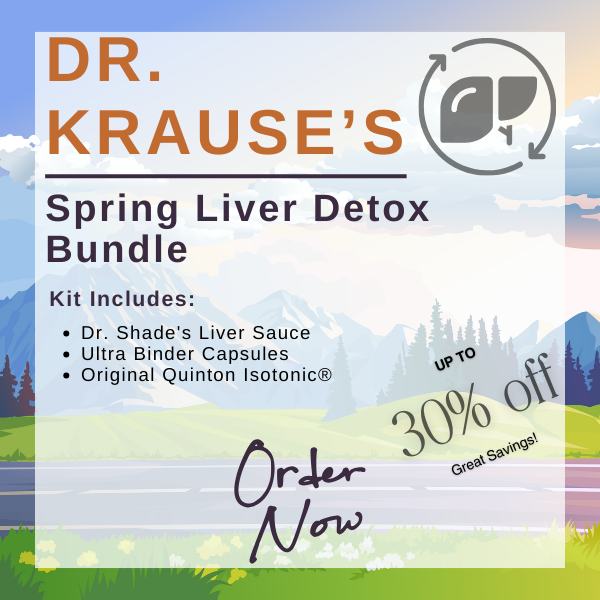
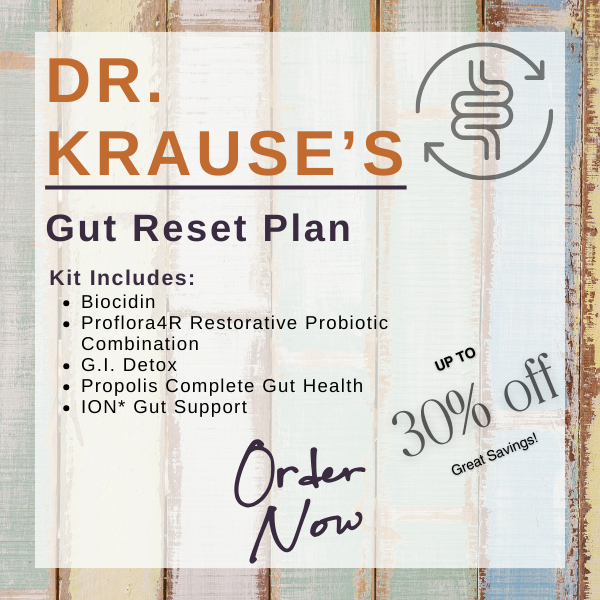
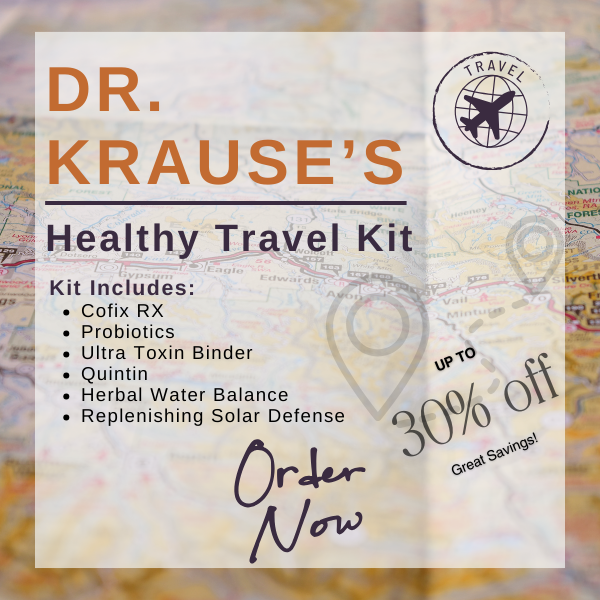
Traveling soon? Looking to detox or reset your gut? Try one of Dr. Krause’s Fullscript plans.

In This Episode You’ll Learn:
✔️ Why LDL cholesterol is often misunderstood
✔️ How blood sugar dysfunction damages arteries
✔️ The connection between fatty liver disease and heart disease
✔️ Why hydration and blood viscosity matter
✔️ The role of lymphatic flow in circulation
✔️ Hormones, thyroid health, and cardiovascular risk
✔️ Natural approaches to supporting heart health
✔️ Micro-dosed GLP-1s, fiber, herbs, movement, and omega-3s
✔️ Why movement and lymphatic drainage are critical for circulation
Dr. J also shares:
• Her personal family history of heart disease
• What she’s seeing clinically in women over 40
• Why cholesterol elevations during menopause deserve a deeper look
• The biggest mistakes she sees in cardiovascular care today
Resources From The Show:
Dr. J created a companion PDF guide that walks through her holistic cardiovascular support strategies, lymphatic drainage tools, heart-supportive nutrients, and lifestyle approaches she uses with clients in practice.
➡️ Download the FREE Wholistic Cardiovascular System Report PDF HERE
Time Stamps from The Show:
00:00 Why women are being pushed toward statins
02:20 LDL cholesterol explained differently
06:20 Sticky blood, blood sugar & artery damage
08:50 Fatty liver disease and cardiovascular risk
15:00 Insulin resistance and sugar cravings
20:00 How liver congestion affects circulation
24:00 Lymphatic drainage and cardiovascular health
27:00 Blood viscosity, herbs & circulation support
35:00 Fiber, hormones & cholesterol metabolism
38:00 Magnesium, CoQ10 & heart-supportive herbs
42:00 Brain lymphatics, puffiness & acupuncture points
47:00 Red light therapy and lymphatic support
48:30 Micro-dosed GLP-1s and blood sugar balance
52:00 Sprint training and exercise for heart health
55:00 Family history, hormones & personalized prevention
Supplements & Herbs Mentioned:
• Magnesium
• CoQ10
• Hawthorn Berry
• Motherwort
• Linden Flower
• Omega-3s
• Berberine
• Red Yeast Rice
• Garlic
• Ginkgo
• Dong Quai
• Fiber
• Tirzepatide
• Retatrutide
Connect with Dr. J:
Instagram: @drjanninekrause
Our Partners


Podcast Transcript
Chapters
00:00 Understanding Heart Health and Cholesterol
02:49 The Role of Hormones in Cardiovascular Health
05:48 The Impact of Lifestyle on Cholesterol Levels
08:41 The Connection Between Blood Sugar and Heart Disease
11:45 Insulin Resistance and Its Effects
14:25 The Importance of Liver Health
17:06 The Role of Hydration in Cardiovascular Health
19:54 Understanding Fatty Liver and Its Implications
22:59 The Importance of Lymphatic Health
25:18 Practical Tips for Improving Heart Health
27:35 Herbs and Blood Circulation
29:52 The Role of Omega-3s and Other Supplements
31:54 Dietary Fiber and Cardiovascular Health
35:29 Understanding Cholesterol and Its Management
36:31 Herbal Alternatives for Heart Health
39:31 The Importance of Lymphatic Health
43:15 Movement and Exercise for Cardiovascular Wellness
52:33 Holistic Approaches to Heart Health
Jannine Krause (00:01.89)
Hey, health junkies, on this episode the Health Fix Podcast, I’m doing a solo one and we’re talking about heart health and cardiovascular disease. So one of the big reasons that I decided to do this particular podcast now is because I’m getting a lot of messages from clients of mine saying my doc is trying to scare me into needing a statin medication. And I have to say, whoa.
Let’s slow the roll here before we jump on the statin train. Of course, I’m a naturopathic doctor, so I’m gonna say, what can we do herbally and lifestyle-wise before we jump on the statin train? And unfortunately, we’ve turned the statin thing into something that you just get as you get older. And cardiovascular disease is now just a cholesterol problem instead of a whole body plumbing issue. If we wanna kinda dumb it down.
further than just it being a cholesterol problem. Now, I think women in particular are being targeted right now because, let’s face it, a lot of the population is in the perimenopause menopause age. That’s just how it is right now. And what happens during perimenopause and menopause when hormones decline? We have more chance for elevated cholesterol. Why? Because the body’s repairing itself.
It’s trying to figure out what to do with this new paradigm. Because estradiol is really important for your tissue. And guess what’s on the inside of your blood vessels? Tissue, endothelium. So we have a big, I think, misunderstanding here going on that we need a medication to take care of the cholesterol issue. When in reality we need to look at how can we help the hormones?
How can we help the liver? Because where do you make cholesterol? In the liver. And with cholesterol, we need to think about what makes cholesterol. Hormones. And now you might be saying, if you give the body more hormones, are we gonna create a worse problem? A more bigger problem? Not necessarily. So, in this podcast, I’m gonna be talking about
Jannine Krause (02:23.814)
what I do in my practice, what I do personally, and what I’ve seen move the needle in the past almost two decades, being in practice, where I look at labs on everyone that I’m seeing, and we’re looking at cholesterol going up, and I’ve seen people now over a decade in one singular practice, and I’ve seen the trajectory of this happening as my clients are going through perimenopause into menopause. Even men, andropause.
I’ve seen the shift and I’ve seen the shift with age and I don’t think it is all a cholesterol issue and nobody has a deficiency of a statin. Let’s be clear. All right, let’s dive into the podcast. So one of the big things that I really want you to keep in terms of a thought process here is where does cholesterol come from and how does it actually cause
placking issue. Because many people have elevated cholesterol, you’ve heard this, many people have elevated cholesterol but they don’t have any risk factors other than the elevated cholesterol for having cardiovascular disease. So what gives? And many people, including myself and I’ll talk about my family history, but many people including myself never had a cholesterol issue until
we got into perimenopause. Then the cholesterol started going up. Hmm.
What is that about? So let’s first start in the concept of why is LDL considered evil? So LDL is low density lipoprotein. It is what your doctor will say, that’s the cloggy or considered the bad cholesterol.
Jannine Krause (04:25.228)
I wish we could get away from this bad cholesterol business because low density lipoprotein can be reparative. It goes up when the body’s healing from something and will go down when we’ve worked on whatever needed to be healed. It also will go up in the case of, like I’ve mentioned earlier, hormone shifts. I will also see it go up when someone’s thyroid has slowed.
Does a statin medication treat thyroid problems? No. Does a statin medication treat hormone imbalances? No. So we gotta go back to the basics here and figure out what is going on in the first place. Get the whole picture when it comes to someone’s cholesterol going up. You also have to look at, someone, did they shift a job? Do they have pain and they aren’t moving as much? Are they sitting more?
A lot of people can argue that the data on exercise and cholesterol doesn’t go hand in hand because some people can be incredibly fit. And I’ve had some patients in my practice who have levels of cholesterol through the roof and they’re the fittest people I know. They also have calcium artery scoring. So the looking at the calcium placking on the arteries that’s incredibly high. And you would think, okay, this person’s like the epitome of fit. Why is this?
problem. We wouldn’t think that was the case. And in the same case, I’ve had people who are overweight, you would look at them and think, okay, we need some work to do, and their cholesterol isn’t even a problem. So.
We want to be looking at why does LDL start clogging the arteries? What’s happening? What is the process that leads us to that state? Well, sticky blood. the East Asian medicine knew this thousands of years ago. They called it blood stagnation. A organ or tissues will die if they do not have proper blood circulation to them. Well.
Jannine Krause (06:30.796)
your vessels will have problems if they’re not circulating blood through them. What creates sticky blood? Elevated blood sugar. I’ll never forget the video I saw in one of our trainings as I was going through naturopath school, where it was showing the sticky molecules of sugar in the blood, so glucose in the blood, and it being sharp, almost like little razor blades, and it was bouncing.
on the edges of the artery walls causing scrapes, just much like a bare wood claw and scrape the arterial wall. And of course, if we have scrapes on the arterial wall, we have to heal that, right? What goes in there? LDL, your low-density lipoprotein is gonna come in there and be like, okay, let’s help. But also platelets are gonna go in there and fiber and there’s a whole process. And it creates a scab on the inside of your artery. And in a lot of cases, it heals up. Okay, we move on.
But if we keep having repetitive damage, we get something called turbulent blood flow. It’s kind of like waves going through, much like the picture behind me if you’re watching this on YouTube. There’s a wave going. And if we have this turbulent blood flow happening, of course we’re going to have the chance of the water bouncing off, or I’m saying water, blood, bouncing off the edges of your arterial walls. And the more we get that bouncing off the arterial walls, the more we can have damage.
to the tissue, the endothelium, as it’s known as, of the inside of your arterial walls. So that is what creates plaqueing, chronic repetitive damage. Now, what causes this kind of stuff? Elevated blood sugar, chronic dehydration, which many people fit into that category. And now if we add in perimenopause, menopause, and even andropause, what is happening to adults as they get older?
they end up with fatty liver disease. It is worldwide, the number one cause of liver disease right now is fatty liver disease. What’s the number one cause of cardiovascular, I can’t get that one right. What’s the number one killer of men and women worldwide? Cardiovascular disease. They go hand in hand. Why are we not looking at the liver to help cardiovascular disease?
Jannine Krause (08:52.268)
Instead, we give a medication that actually can mess with your blood sugar and your liver.
Your doctor will check your liver enzymes while you’re on a statin because they want to make sure that your liver enzymes aren’t going up. What are liver enzymes a sign of? are elevated, so what are elevated liver enzymes a sign of? Damage to your liver.
Let’s think about that for a minute. Cholesterol is made in the liver. Fatty liver is a common issue. We’re giving a medication that messes with the liver. Yikes, people, we gotta think this through. So I’m not here to shame anybody that’s taking a statin. I just want you to think about like, could there be a possibility or a potential before we start this train? Like I get it, some people, cholesterol.
doesn’t move at all unless they take a statin, which we also wanna think about, are we just treating the labs and the numbers or are we treating the person? I’m in the camp to treat the person. Do I microdose statins sometimes with folks? Yes, because sometimes it can help in the case of how the levels look in optimizing things. But once again, I have to question even myself, am I treating the numbers or am I treating the person?
Are you treating yourself or are you treating your person? You gotta think about it in terms of even when you’re working with your own cardiovascular issues. So I talked about sticky blood, I talked about hydration, I didn’t go into it in deep detail. Many folks are dehydrated. This is a chronic issue across the board. Why? Because we’re drinking things that aren’t water. I mean, full disclosure, I have a mushroom hot chocolate here, but.
Jannine Krause (10:41.676)
I’m also double fisting with my water over here. So we wanna be thinking about hydration as a whole. It can solve a lot of problems and make life a lot easier for us. It can even help your liver to detox better and move things through. The more fluid you have in your body, the better circulation is. Now, can you overdo it? Absolutely. And I know someone’s gonna be like, well, you can’t overdo it. And what about the kidneys? Yes, yes, absolutely. Things to think about.
but we need to find our sweet spot for what is the good hydration for us. And what’s too much or what’s not enough? And I think for a lot of athletes, the biggest problem is proper hydration. A lot of people are all over the creatine and you’re all over the electrolytes, but those are molecules. Excessive molecules in the bloodstream can cause turbulent blood flow. So we need to think about these things, especially as the…
popularity of creatine and all these things start to become more and more.
Jannine Krause (11:44.472)
How many molecules are putting in and how are you hydrating it? The more creatine you’re taking in, you wanna make sure you’re hydrating. Because it will show up on your labs as elevated if you’re taking a lot and you’re not hydrating enough. I can call you out on that easily. All right, so I think I’ve kinda covered the hydration thing. You guys got it, you’re like, okay, that’s enough. Now, insulin resistance, blood sugar issues.
big trouble that a lot of women who are trying as best as they can to balance their blood sugar are having over 35, over 40. We are driven for some reason, and I think I have a pretty good idea, but it’s not been completely proven, let’s put it that way, if we’re talking research and science-backed, that the reason our blood sugar goes up is because the body’s trying to get us to store fat. And if we store fat, we can store hormones in the fat.
I think that is some of the protective mechanism. Now, if you are super sciencey and super geek, yeah, I skipped about 85 steps in how that happens. But for all intense purposes, we are driven to eat more carbs when cortisol is elevated because we have a blood sugar imbalance going up and down, up and down. Each time the sugar spikes with the cortisol, when your stress levels go up, that backend of when they drop off drastically,
That’s when you’re gonna be hunting down some carbs. You’re gonna be looking for the sweets, you’re gonna go for the chocolate. When your estradiol, your most active estrogen in your body that has the most activity is low, you’re gonna look for carbs too. So you wanna be thinking about the fact that if that’s happening, you’re being driven to eat more carbs. Even though maybe,
that has never been your intent. You weren’t really a carb person. I hear a lot of women say I went from being like a chips and salsa kind of gal to like a chocolate and sweets kind of person.
Jannine Krause (13:56.876)
It happens, it happens, it happened to me. And I was like, whoa, who is this person that wants sweets now? Breads. mean, let’s be honest. I like some fresh bread and some butter, but sweet breads wasn’t my thing. But I started finding myself being like, I’ll have a little bit of that when it was never something that I wanted to do. So we wanna think about this shift.
We’re driven to this. So what happens, we eat more carbs and eat more carbs and eat more carbs and then we have the stressful life that is life right now. And roller coasters of cortisol, well no wonder we end up with fatty liver. And then I mean, I could add in the whole, you know, fake sugars and I could add in the whole drive with that. Because now, you know, everyone’s like zero sugar, zero sugar. I want more of the zero sugar.
What happens if you have excessively sweet zero sugar? Your craving for something sweet goes up. You want the sweeter things and it keeps enhancing.
It’s a problem.
Jannine Krause (15:05.666)
So yeah, you’re hunting sugar and that builds up fatty deposits in your liver if you can’t handle all that sugar. And then insulin resistance kind of comes into play there too, where you are not able to take glucose into your cells to burn for energy. So you’re craving more and more carbs because your body’s like, I need energy, but it can’t get the energy into the cells. So then it stores it in your liver.
chicken or egg, insulin resistance or fatty liver, which one happens first? Likely insulin resistance. Because all that extra storage of carbs that have now turned to fat have to go somewhere.
You wanna know if the process is happening, you can look at your triglyceride levels. Triglycerides are in a regular lipid panel. Super basic panel your doctor’s gonna look at when they start harassing you about LDLs. I’m gonna harass someone more about their triglyceride levels than their LDL levels. If your triglycerides are over 75, 75’s kinda the middle of the range. High end and normal’s 150. If they’re over 75, you’ve got problems starting.
You want to put that in check. Meaning you want to look at the stress component and you want to see how stress affects your cravings and what you’re doing with food and if you’re adding more carbs. And a lot of people are gonna be like, I don’t eat that many carbs. Okay. And I thought that too for a while till I looked at my portions and went, oh crap, that, you know, three quarter to half cup of rice was like a cup and a half. It creeps up on you.
I encourage you to call yourself out and be like, all right, let’s just take a look. Because the times in life when I’ve successfully been able to lose weight have been the times when I’ve called myself out on my portions and cut things down.
Jannine Krause (16:57.656)
The other side of it is looking at protein. Absolutely incredibly important. That is why everybody in their brother is like protein, protein, protein. Now here’s the kicker on protein. It depends how much. Each individual person has their own limit and you gotta figure that out for yourself. The standard that I used to give people was 25 grams of protein per meal just as a baseline. You may be higher than that. I don’t think you’re gonna be lower than that. But the level of how much high is individual.
because I’ve seen people get too high and now weight is staying on and can’t come off.
Jannine Krause (17:33.688)
point being though, if you can balance your blood sugar and get it so that you’re not having all the sugar cravings, it’s gonna go a long way for you. Now there’s a lot of folks who have a nervous system that is a wreck and they may be eating like no carbs, they might be straight up carnivore and still have issues with insulin resistance. There are some things you want to work on there.
We’ll get into that a little bit later. I’m not gonna dive into all the details because this is more of a conversation about cardiovascular disease and helping things flow through your tubes, your plumbing really well. Now, with insulin resistance and your body’s drive to store carbs as fat, now you’re gonna gain weight, but you’re also gonna store the fat, like I said, in the liver. If we have more fat stored in the liver, we can’t process things properly.
we’re gonna become more toxic because the real estate in the liver is now becoming.
Non-functional because when there’s fat in liver cells, they’re not detoxing for you. There’s hanging out Can you get the fat out of those liver cells? Absolutely. Your liver is the most incredible organ you have Wow, okay, maybe I shouldn’t say that but it’s incredible in terms of it can it can recycle I think the heart’s pretty incredible too But your liver can recycle and it can also really regenerate Meaning it can dump out stuff
so that you can recycle things through your body and just kick it out or take parts that you want from certain things and reuse them. For example, your liver is in charge of taking bits and pieces from your red blood cells and turning them over. It’s kinda cool. fun tidbits. Now, what I see with fatty liver is mostly trouble with hormones, trouble with blood sugar.
Jannine Krause (19:31.22)
and even down to the line of trouble detoxing, like I mentioned. So we’ve got multiple layers of issues that can create turbulent blood flow, but also issues within the liver create circulatory issues in and of themselves in the body. If your liver is backed up, it is gonna back up fluid going towards your heart when it returns.
think a lot of people don’t think about this. We can tell if a liver is backed up by looking at someone’s feet. If you have a bunch of broken blood vessels on your feet, chances are the liver’s backed up, because it’s just backflow of fluid. Same thing goes for varicose veins. Yes, they can be hereditary. Yes, pregnancy can provoke them, but we can also have issues of backflow of fluid back up to your liver.
This is the problem. This is a big, big problem. So one of the big, big things to look at, to understand if you have fatty liver is to look at your BMI. And now lot of people might roll their eyes and be like, God, I hate the BMI. Yeah, it’s not my favorite, but the data within it helps us to input your liver enzyme data into something called the hepatic steatosis index. So BMI is your height compared to your weight.
you’re gonna get a number, and then that number’s gonna get put into the hepatic steatosis index. And you can look up the hepatic steatosis index online. You just type it in, hepatic steatosis index calculator. It’s like MD app dot something, but just, you can search the hepatic steatosis index. You will need your liver enzyme labs, the AST and ALT. Here’s what’s crazy about AST and ALT, the liver enzymes.
If they are chronically over 20, they can indicate that you’re having trouble processing within your liver.
Jannine Krause (21:33.23)
20 is like the median number for both of those ranges. The AST and the ALT liver enzyme ranges, the liver enzyme ranges are much higher than that in terms of what’s considered normal. Keep in mind, likely you’re listening to this podcast because you don’t want to be average or normal. These levels of what’s normal is being taken off of a population that’s sick, a general population. I don’t want to be general.
I don’t even want to be basic. I want to be super optimal. So I’m hoping that you guys think this through that, you know, if you’re relying on those ranges.
Jannine Krause (22:15.928)
Good luck. So anything around 20 is great. Anything below 20 is okay. But above it, we want to double check. And that’s why I love the hepatic steatosis index. It can tell us a lot more before you even show up as having fatty liver on an ultrasound. Some people will not have it on the ultrasound, but I can show that they have it by looking at the hepatic steatosis index. It’s gonna give you a score. If your score’s over 36, you’ve got fatty liver. So.
This is a big deal, it’s a really big deal. Now, reason being, like I mentioned before, circulation, right? We know our heart pumps blood to our body, but what we don’t often think about, like I mentioned earlier, is that the liver is also involved in this circulation. So the kidneys, if there’s issues with either of these, the pipes are not all open, what happens? What happens if you have a clogged pipe in your bathroom?
is going to back up right? The drain’s not going to come down fast. Water’s going to stay in there. Nobody likes taking a shower with a whole bunch of water on their ankles. Well, that’s what’s happening in your liver if blood flow is not moving through it. A lot of stuff backing up. So if blood flow is backing up, what happens to your circulation? We end up having a higher demand on the veins.
And so now we’re getting pooling of veins. What happens when things pool in the veins? We end up with molecules coming across into the lymphatic tissue. Because keep in mind, your lymphatic vessels run like right between and all around your arteries and veins. And so if you have backflow, there is now more time for fluid to kind of be going back and forth between these vessels, so the lymphatic and the veins, but also into your tissue space.
Who’s got swollen ankles? What about sock lines? What about rings that don’t move well? They’re tight. This is decreased circulation and often lymphatic backup. Most folks have some level of lymphatic backup. It is heavily connected to the whole picture of cardiovascular health. If you’re not working on your lymph, you are not working on your whole cardiovascular system.
Jannine Krause (24:40.726)
I can guarantee that statins do nothing for your lymphatics.
Something to think about.
What is lymph anyway? I probably should talk about that. Lymph is fatty like, it’s called chyle. It’s like this fatty kind of stuff in there. And it’s literally like a drainage. It’s just pulling toxins out of the bloodstream and trying to bring it back up so you can release it. lymph, when the lymph vessels are clogged up, you are gonna stay quite puffy.
And there’s a lot of research right now on lymphatic vessel abnormalities.
genetic issues as to why someone would develop lymphedema, why someone would be more puffy than someone else. It’s fascinating looking at the lymph. And the more fluid we have on the lower half of our body, because of gravity, the harder it is for us to move. The harder it is to get the blood back up to the heart. What happens when we have blood flow issues? More potential for sticky blood, more potential for turbulent blood flow.
Jannine Krause (25:55.33)
One of the coolest research studies I saw out there was the benefit of stretching, just basic movement and stretching on your vessels. Because if we stay sedentary and we don’t move, those vessels can get brittle, hardened. But also if they’re hardened, what happens when a vessel isn’t as elastic? Turbulent blood flow.
Jannine Krause (26:20.12)
So the more you’re moving, the more you’re stretching, the more the circulation can improve. And I’m talk about that here in a second. Now a lot of people are hot and heavy on oncology and supplementation and all these things to help with our tissues. Yes, I can see that being beneficial, but if we’re skipping the foundations and going straight for the supplements, we’re missing a big picture. So one of my good friends, long ago, he’s a cardiothoracic surgeon.
so means a heart and chest surgeon, said, I’m just a master plumber. And I thought about it and I’m like, you know, that’s a really interesting description of your job. And he said, yeah, it’s like, know, I help with leaky valves and leaky pipes and I help fix pumps. I’m like.
Jannine Krause (27:15.47)
Plumbers would make the best cardiothoracic surgeons. Plumbers would make great cardiologists. They get fluid dynamics. They get pumps and valves. They understand it.
So let’s take it to another level. think mechanics might also make good cardiologists. Why? Because we understand in the mechanic world, something called blood viscosity. They’re not gonna call it blood viscosity. They’re gonna call it viscosity in general. Engine stuff. Oil, right? You’ve probably all heard of the thing where they’re like, do you need to put the, and this is me not being a mechanic, so you can laugh at me if you are. We need to put the stuff in to help.
with our engine, right? So it runs smoother. We’re working on oil and viscosity. What happens if you run your engine out of oil? Blows up, right? You drop your engine. What happens if you don’t change your oil for a long, long time?
You’re gonna have a heck of an engine problem, right? Cause your engine relies on nice, good, viscous oil. I’m kind of rubbing my hands over each other, just kind of giving the demo of like viscousness. If we have more fluidity and viscousness within our own pipes, our arteries, our vessels, within our heart, our big pump.
Jannine Krause (28:48.526)
could be good, right? We want that. And so this is where the conversation of what do we do about things like fish oil? What do we do about things like ginkgo? What do we do about things like tian kuih, herbs that help with thinning of the What do we do about garlic? Garlic is like one of the best ones for helping with movement in the blood. So when I was going through
school and learning about Chinese medicine, we talked a lot about things that move blood. Horseradish. Wasabi also could be considered as long as you’re not getting the fake green colored wasabi. Like get the good stuff. Horseradish, back to that. It’s heating, it’s warming. Cayenne. Cinnamon. And then thinking about herbs like rosemary and basil. Chinese medicine has a whole bunch of different formulas that help with circulation.
and
helping with blood thinning and blood viscosity. One of the biggest issues actually I have to look at in Chinese medicine, but also in Western medicine in terms of the herbs side of things, so Western herbs, is I need to make sure that things are not too much of a blood thinner. Because yes, we can cause bruising, easier bruising and things of that nature, but also if someone’s on a medication that…
doesn’t do well, it doesn’t play nice with an herb that thins blood. Constantly have to watch that. But if that is such an issue, how much does that tell you these herbs are powerful to help thin your blood and help with blood viscosity?
Jannine Krause (30:32.674)
I once looked at a comprehensive study of all, so meta-analysis of all of the different tools that are being used to help with inflammation in the body and keep blood viscosity moving. Do you know what that was? Do know what the one thing was that showed the best outcome?
baby aspirin.
Jannine Krause (30:59.98)
You can get enteric-coated baby aspirin, take it daily, thin the blood out a little. But you could also increase your hydration. You can move more, can stretch more, you can just work on mobility. You can exercise, do sprint workouts. I’ll talk about that. And we can move it that way too. Or you can go, what is the foundation of baby aspirin? Where did that come from? They created salicylic acid from white willow bark.
You could take Willow. Is it as strong as baby aspirin? Folks will tell you no, but how do you know? You could test your clotting time. You can look at something called an INR or a PTT. Pro thrombin time. See how fast you clot. It’s kind of fun to look and see like, do I have stickier blood? Do I not? I started testing this on everybody now since we have a lot of folks with strokes that didn’t before.
Jannine Krause (32:00.3)
Anyway, something to look at there, something to look at, especially with the viscosity situation. So am I starting to think differently about how we can help folks thin the blood? Absolutely. I used to be a little bit of a negative Nancy on Omega’s Omega-3 fatty acids because I’d never seen it lower cholesterol, because that was what it was presented to me as being beneficial to lower cholesterol. I’ve realized Omega-3’s actually, their job is more for blood viscosity.
Since taking omegas, I’ve noticed that I do have less aches and pains.
general ones.
Jannine Krause (32:42.542)
Could it be something? And other patients of mine have mentioned that too, that the omegas help on the aches and pain side of things. Not as much on lowering cholesterol. Well, maybe that’s because they weren’t meant for cholesterol. They were meant to help with blood viscosity. And I do think omegas can help incredibly in that department. I also think that ginkgo, tiongkuai, something called nodo ginseng, which is a type of herb that’s popular in Chinese medicine that can help, salvia, these herbs,
do show great benefit for helping with preventing clots, alternatives to medications like Eloquist, which can be incredibly hard on the body. These are impressive, and there’s data. I’m not just pulling this out of my rear end. mean, we’re looking at comprehensive studies coming out of China on Chinese herbal formulas as alternatives to medications like Eloquist and Warfarin and things of that nature. Now, of course,
You have to look at each case individually here, but this is something I really want everyone to think about. Herbs are here for a reason, and they may be beneficial, especially in the cardiovascular system and as a preventative. I like them very heavily for preventatives for folks. Something to think about. Now, the other biggie here that I haven’t talked about yet.
is the whole concept that we’ve talked about for years is like things like fiber and veggies and you know, does that really move the needle? Adding fiber to a relatively decent diet where someone maybe just doesn’t eat as many vegetables as they could or a diet where everything’s pretty decent but we’re having still a lot of issues with cortisol. I have found that taking fiber, whether it’s acacia fiber,
for someone that’s got maybe a little bit looser stools, which would mean maybe we need to work on the microbiome too here. Or psyllium for those that need to move things along a little bit more. Flax, chia, pumpkin. I love the seed cycling for those folks who are still getting their periods because that fiber can also help in the case of binding up some of the cholesterol from the diet and helping us shuttle it out.
Jannine Krause (35:07.914)
Also, your fruits and veggies, garlic, onions in particular, help increase HDL, high density lipoprotein. High density lipoprotein is the type of cholesterol that carries out the LDLs once they’ve done their job.
So being able to eat fruits and veggies will help you to carry out more of the LDL cholesterol.
What’s fascinating is a lot of folks genetically do not make good amounts of HDL. But we still find that we can work on their cholesterol if we are giving them a fiber. If we are working on blood viscosity. Omega’s, like I said, Omega’s aren’t going to help with the pure…
lowering in the cholesterol. I’ve not seen that be miraculous. Now some people will swear that yes, it’s helped them. And I’m not gonna say it didn’t. I just know in the overall, I’ve not seen it to be incredibly beneficial.
to drop cholesterol, like don’t rely on it, okay, let’s put it that way. The other cool thing about fiber is that it’s gonna bind toxins in the body and it’s going to help carry out excessive amounts of estrogen that we may be reabsorbing through the gut and this can happen to men and women, especially men who are really into drinking.
Jannine Krause (36:44.288)
IPAs and like some of the, I call them thicker beers, the stronger beers that have more hops in them. Hops is an estrogen producer. That’s why you get man boobs. So a little bit more fiber, we can bind that up, carry it out of the system a little bit more. Now, what’s key here to think about in terms of the diet component is that yes, research shows that it’s not the end all be all.
And so what happens, unfortunately, is that we’re like, well, that doesn’t matter. It doesn’t, like, extra fiber’s not gonna help. The extra veggies are not gonna help. I’m just not gonna do it. What if it’s not just one thing? What if it’s a compilation of things that help?
That’s the key. All right, we talked about the gut. And yes, microbiome does matter. That’s a whole nother podcast, but it does matter. If your gut is off, if you have chronically loose stools, if you’re chronically constipated, you do wanna work on your microbiome. If you think you have SIBOs, so small intestine bowel overgrowth, or CFO, small intestine fungal overgrowth, yes, work on it. I think it’s important to be looking at cardiovascular health in all angles, not just here, take your stat and have a great day.
It’s just working on your labs. Because the minute you stop it, what happens?
cholesterol goes back up. Now, in the scheme of things here, we can also look at cholesterol as how we absorb it. Can we block absorption? That’s kind of where the fiber comes in. It can block us from absorbing a lot of the cholesterol from the diet. There are medications like Zetia, which will block the absorption of cholesterol and help you to lower things as well. Now here’s the key, if Zetia works, then you know
Jannine Krause (38:29.528)
that you might need a little more fiber to help you out.
Jannine Krause (38:34.668)
something to consider. You can test it out, 90-day protocols. You can always retest your cholesterol in 90 days and see did things move. I wouldn’t test it in less than 90 days because it takes some time, but something to think about. Now my other component that I touched on the herbs a little bit, there are lots of research studies showing how much beneficial…
How beneficial magnesium is for the heart and for the smooth muscle in our gut, but not only that, in our blood vessels. So I’m a huge fan of magnesium for working with the heart. I’m also a huge fan of coenzyme Q10 for the heart because it is incredible for our mitochondria, so the factories in each and every one of our cells, but it’s really great for the heart cells. So that guy, awesome stuff.
Hawthorn berry, linden flower, motherwort. Those are types of herbs that I really like to use to help with regulating blood pressure, heart rate. There’s also Rawofia known as Indian snake root and that’s a great herb. If cholesterol, not cholesterol, pardon me, blood pressure is staying really high and we can’t get it down, we can use Rawofia to help with that. It’s not too tasty taking it.
in a liquid form, but that is the most powerful way. So a tincture, so it’s the herbs suspended in water, but it can be a nice alternative. And there are lots of other alternative formulas that have all of the things that I just mentioned that can help. And so it’s one of those things to look at supplementing along the way while you’re working on your total body plan. Now, at this point, I should mention that I also will give folks something known as red yeast rice.
Red yeast rice is what statins are made from. Do they have the same side effects as statins? Not all of them. Red yeast rice quite possibly could be a great alternative for you because from what I’ve seen, it doesn’t have the huge impact on the muscles and the aches in the body. Now can it do that? Yes, but it doesn’t always. Same thing goes along with the lines of
Jannine Krause (40:57.472)
looking at using red yeast rice and seeing how it affects blood sugar. I’ve not seen it affect blood sugar like statins do. Could it do it? Possibly. Have I looked into the research on that? No. I’ll be honest. I don’t use red yeast rice that often, but I will recommend it in a case where someone is working on their underlying health factors.
like working on exercise, working on diet, working on clearing out and detoxing the liver. And they’re just worried about their cholesterol. And let’s face it, like we’ve been brainwashed to think that, my gosh, you’re gonna have a heart attack tomorrow if you don’t take care of your cholesterol.
And the track record proves otherwise for lot of folks because there are plenty of folks that have had heart attacks and heart issues that don’t even have elevated cholesterol. And the same goes for people with really high elevated cholesterol and they’ve been absolutely fine. And I’m sure you’ve heard research studies on this. It’s something to consider. But I think what we’re missing here is we’re not looking at the cardiovascular system from all the angles.
Like we can’t just look at it one angle and be like, need the med. No, let’s look at the whole body here. And especially the lymphatic system, because I think this is a big overlooked one. And in this case, you know, it’s incredibly important. So like I mentioned, you know, I mentioned the sock lines, I mentioned, you know, puffiness in the legs, but I didn’t mention like puffiness under the eyes. This can also be a lymph issue. Now, let me also preface this by saying like this can also be a gut issue too. And fatigue and…
lots of other things and we tend to end up with puffiness under the eyes as we get older. Why? Because the lymph isn’t moving as well. And I will get this now. I’m noticing it more and more in myself and I’ve gotta work on that. Now there are plenty of YouTube videos out there to help you to move the lymphatics in your face and I highly encourage looking at that. Acupuncture can be incredibly helpful too. Now if you’ve got puffiness here, it’s possible you got puffiness in your brain and you’re like, what is she saying?
Jannine Krause (43:07.458)
your lymphatics in your brain, your glymphatics can be locked up. You can work on them. There’s an acupuncture point. So for those of you folks who are listening, I’m gonna describe this the best as possible. Those who are watching, can see behind the ear, we’ve got this bone called the mastoid process. And on the other side of the bone, there’s a little divot. There’s a muscle there called the sternocleidomastoid. You can kind of feel the bone and then go posterior. So back towards your head a little bit more, there’s a divot. That’s gallbladder 20.
Gallbladder 20 is a great point for draining the lymph in your brain. It’s also a really great point for neck aches. Hmm, could a neck issue be a glymphatic issue? Possibly. Could a brain fog, could a headache or migraine issue be a need to have some glymphatic drainage of the brain? Absolutely, rub gallbladder 20. This bad boy is amazing.
All right, so that’s that one. You can also go to gallbladder 21, which is on the top of your shoulder here, top of your trap right in the middle. A lot of us will have a knot there. Rub that bad boy too. Those two help. And then just a little bit of shaking afterwards to kind of help move things down. Shake it all down. So I am a huge fan of working on the lymph because I do think it’s overlooked. And I’ve mentioned it before, but what’s the other side of this?
If your lymph is backed up, that means your circulation’s backed up. So it’s a call out that you need to work on both your circulation and your lymph. Chinese medicine didn’t talk about lymph much, but they talk about something called dampness. And I think that’s what they were getting at. Dampness is fluid accumulation in the body. Now it can get all the way out to something called phlegm. And phlegm is, I mean, we can cough it up, right? But think about it in the body, that’s gaining weight.
that’s becoming fat, overweight, things of that nature, that is the far end of dampness. And so if you’re starting to notice fluid buildup, keep this in mind, because your lymphatic system needs you to pump it, right? It needs you to bounce, it needs you to move. We stop hopping, we stop skipping, we stop bouncing around, we stop these movements that we really need as we get older. And yes, you could tell me you ache.
Jannine Krause (45:24.43)
And it’s really hard for you, but like little, little like rocks back and forth. I’m doing it right now. Like heel drops where you go up on your toes and you drop down on your heels. You can do this even if you have pain. You can do this. You can bend your knees a little bit and do it. Even if you sit down, you could do this. You could tap your feet. Put on some good music. Start tapping your feet. That will help. Now granted, it’s good to get the whole legs all straightened out versus in a 90 because it’s going to get stuck, of course, if you’re just tapping your feet, but it’s a start.
Hey, it’s a start. I love the shake plates and the vibration plates and I like the rebounders, the trampolines, those things are so cool. And I would highly recommend everybody get one. I don’t care if you get the cheapest one, just get something to help move your lymph. Now there are some amazing acupuncture points and I showed you gallbladder 20. There’s also points all around the eye here that can help in particular. Stomach four is a great one, which is like a divot underneath your eye.
On the bone, you’ll find the little divot. Just rub that. There’s one called Tai Yang, which is another divot out from the edge of your eyebrow, kind of in line with your outer eye crease. There’s a divot there too in your skull. Those two are nice to rub on and help with fluid movement in the brain and the eye area. Now there are multiple points in your leg and there’s multiple points in your abdomen and even your chest. And I’m gonna do a PDF.
off of that, that information. So if you are listening to us and going like, I really want more information, I want you to head in the podcast notes, I’m gonna have a link to my PDF to grab so that you can learn more and have a whole, this is what you can do holistically to help your cardiovascular system. It’s my guide that I’m giving to my patients and you can have access to that. Go to the notes below or if,
you’re watching, well, on YouTube you’re gonna see the link below. Go to the link below. And if you’re listening online and you’re driving and you can’t get to it right now, you can head over to my Instagram, at D-R-J-A-N-N-I-N-E-K-R-A-U-S-E. Just click the link in my bio and I’ll have a link to it there.
Jannine Krause (47:43.562)
Okay, now what are some other things that I absolutely love for helping with circulation? Red light therapy targeted to your vessels, putting that right on those lymph areas inside of your legs, put on your abdomen, put on the back of your neck, put on the inside of your elbows, behind your knees, lymph cutoff points, your groin, so where your hip creases, put the lymphatic.
or sorry, put the red light there to help with the lymphatic movement.
Like I said before, I’m gonna kind of summarize everything. Blood sugar is so paramount to the cholesterol picture. If your blood sugar’s off, your cholesterol is going to have some issues. And if it isn’t happening yet, it’s going to. So we wanna make sure that we are dialing in the blood sugar by working on protein, working on the balance. Now berberine is an herb that’s quite useful to help with blood sugar balance. Watching how you cycle it is very important.
I do microdose, GLPs. like terzapotide and retratutide. If you don’t wanna feel sick, retratutide might be a better option for you. Terzapotide can suppress your appetite and have you not feeling so great. Retratutide is a lot more gentle. Now, at microdose levels, you may not feel either one of those. And I like to microdose retratutide at .25 or .5, multiple times, two to three times during the week.
and tersepitide I like to keep at .6 or I will go to 1.25, maybe 2.5 on the higher end. Now, do I go higher for folks? Sure, if we need to move things a little faster and help with getting the weight off a little bit, but I try not to go much over five, and I’m talking about milligrams, five milligrams on retratutide, or sorry, on tersepitide and with retratutide, I try not to go much over three milligrams a week.
Jannine Krause (49:42.328)
just to keep things on a microdosed level. So that’s kind of where I’m at there. I have seen more change in cholesterol levels and blood sugar using microdosed GLPs, not semaglutide, that one’s trash, don’t even bother. But terzepotide and retratetide can be incredible. And people that we have done a lot of different things.
but maybe lifestyle hasn’t had them to be able to eat as many vegetables or their palate or their gut, because there are factors. You may be listening to this going like, if I eat vegetables, you if I have a lot of fiber, I’m gonna be pooping for days. Yeah, it’s true. So we need to think about other options here. Think outside the box. Weave in things differently. And I’ll be honest, like, I’m not using as many of the pharmaceutical.
I’m using research peptides. Yes, some of my patients do have the pharmaceuticals. But unfortunately, we can’t get insurance to cover a lot of this stuff if you don’t have diabetes or some of the factors that you need to to qualify. So what do we do? We use the research peptides. Now you might be thinking, well, if you’re anti-statins, now why are you using these medications? Well, because we can use them in a short term to get to where we need to be.
The problem is I can use a statin, but as soon as we pull someone off of the statin, cholesterol goes back up. Problem isn’t solved. What do we do with GOPs? GOPs, yeah, you could take them off and yes, the weights can come right back on someone. Absolutely. But if we can learn the lesson from the peptides, we can learn what to do to help regulate the body. Where are we overeating? Where do we need to take care of ourselves more?
There’s lessons to be learned with GOPs. I haven’t seen a lesson. Statens aren’t teaching anyone a lesson. Just saying. So we need to think about how to use these things effectively. Because I’m not saying all medications are bad. You heard me mention about baby aspirin. It’s all figuring out what’s going to work for you and what makes sense. Like what is sustainable change? What creates sustainable change? So the other big thing is really working on your movement during the day. Movement matters.
Jannine Krause (52:00.118)
Now while research says it’s not gonna single-handedly lower your cholesterol, true, but it contributes. I am never gonna tell anyone not to go move, not to exercise. Working on your heart health, one of the best things for your cardiovascular system is to make it work. Make it, like challenge it. Speed up, slow down. I do two sprint workouts a week and I will challenge myself to run
20, 30 seconds, five to six to eight times and slow down. And I follow it up with a brisk walk. Then the other part of the week when I sprint, I will sprint for two minutes, three minutes, four minutes. So going as fast as I can for that amount of time, slow down for the equal amount of time, repeat it four times, maybe five, and then continue with a brisk walk. You could dial this in even further by doing heart rate based training, zone training.
I don’t recommend it more than two days a week for anybody over 40, but this is incredibly beneficial to challenge your heart and your cardiovascular system. Going uphill, hopping, jumping, skipping, things you don’t normally do, but also things that can get you moving in a different motion. I love Tai Chi and Qi Gong because we have a lot of twisting motions. Twisting and moving in different directions, play, incredible, rock climbing, bouldering.
different motions that we’re not used to that challenge the epithelium, the tissues of your vessels. The more you can keep them pliable and mobile, the better the circulation is overall, the less chance for blood pressure issues related to hardened arteries that aren’t able to expand and move. Now, can we counter this through every aspect of life? No, I mean, eventually we are gonna age. But heck, if you can keep doing things,
to prevent it, why wouldn’t you? And so I am an incredibly huge fan of workouts, fitness, movement, whatever you wanna call it, for your cardiovascular system. But the problem that we get into is that if you’re not challenging your heart, you’re not going to be able to adapt to challenges. And especially if you’re gonna be traveling, especially if you’re gonna wanna hike, especially if you want to get up a big hill, get up some stairs.
Jannine Krause (54:22.026)
Say the elevator doesn’t work in your old European hotel that you’re staying at. What happens? You gotta carry your stuff up a couple flights of stairs. You gotta be able to do that. So this is where training makes a difference and makes incredible benefit on your health. And I could go on and on about exercise, but the point is it has to be part of this in some way. You cannot get away with it. Why? Because it helps with your plumbing, because it challenges your body to move blood.
It helps with the lymph because it moves the lymph, because your lymph does not have the amount of valves that your veins do to move stuff back up. You need to pump it yourself. Your muscles have to help the pump. Gotta move the muscles. What’s the other thing with exercise? The more you move, more bounce, the more motion. We can drain the brain a little bit more too. We gotta move to help drain the brain, because if we’re stuck like this on a computer and our neck isn’t moving, what’s gonna happen? Backflow in the brain.
Your cardiovascular system does not require statins. There’s not a statin deficiency anywhere. I highly recommend if you have been scared into thinking that you need it because you have a family history that isn’t stellar when it comes to heart health, try out a more holistic approach first. Let me give you a little story before we end up. My dad,
family has the most incredible cardiovascular history that I have heard in a lot of folks. My dad’s brother died at 35. Climbing up a ladder, had a heart attack, boom, dead. My cousin ended up, well both of my cousins actually ended up on statins in their 30s because of their cardiovascular history. Now what has happened to them? It didn’t do well for their liver and their health. They both gained a lot of weight.
One of my cousins is still alive and still working on it right now to get her insulin resistance under control and get her weight down because the statin didn’t do her any favors. My dad, he had a quadruple bypass in 2009. He is incredibly healthy. If you’ve seen anything on Instagram with him, he’s 90, he’s gonna be 90 this year, but he was told to take statins. He never felt good on them, so he didn’t take them. And did he ever have a heart attack? No.
Jannine Krause (56:45.502)
Did his arteries clog? Yes, he had to have the bypasses. But he was on statins on and off. It didn’t help. He couldn’t tolerate them. So what do you do? He kept moving all along. I think that’s what’s helped him. My dad’s dad was in World War II, fought on the beaches of Normandy, came home and had a heart attack at 45, I believe. Lots of history there. My cholesterol only started to go up
when I went into perimenopause. And yes, my doc was like, do you wanna do a statin? He knows better than I’m gonna say no. And of course I was like, no. And here we are, we’re working on the hormones. We’re working on how estradiol plays out, having enough there. We’re working on making sure that the thyroid’s okay. Right? Cause higher levels of TSH, so this is thyroid stimulating hormone, meaning your thyroid slowing down can affect.
your cardiovascular system, and in particular, your LDL.
Work on it, dial it in. How can you do that? Your thyroid may be an effect of a liver not detoxifying effectively. It may be effective viral illness in the body like long haul Epstein-Barr. It may be an effect of genetics, sure, but there are things to look at. I’ve seen many thyroid labs be abnormal. We work on the hormones, boom, everything’s good. Also,
common one I see in perimenopause, into menopause and beyond. If the estrogen stays elevated on its high roller coasters and it goes way high, it’s gonna suppress the thyroid. We don’t need to treat the thyroid, we need to work on the hormone balance. So it’s something to really think about when it comes to the cardiovascular system. It’s not just one thing. There’s multiple factors. Don’t be afraid to experiment a little bit. Don’t be afraid to do that.
Jannine Krause (58:46.764)
Taking care of your lifestyle and your health and your nervous system is going to go a lot longer of a way than jumping on a statin and expecting that a pill is going to save you. You have everything inside of you to help you live a long, vibrant life. Let’s not rely on outside sources solely to help us. Let’s look at the whole picture and see what we can do to do our part. All right.
That is what I’m up to with the cardiovascular system in my office. I have the PDF available, link below there. And if you’re over on Instagram, follow me, give me a like and grab the PDF from my link in my bio over there. It’s at drjannine, Krause, K-R-A-U-S-E. You’ll find me over there. Hey, you guys have survived another episode of the Health Facts Podcast. Have a great day, whatever you’re doing.