Have you ever felt trapped in the cycle of dieting, restricting, overeating, and promising yourself you’ll “start again Monday”?
You are not alone.
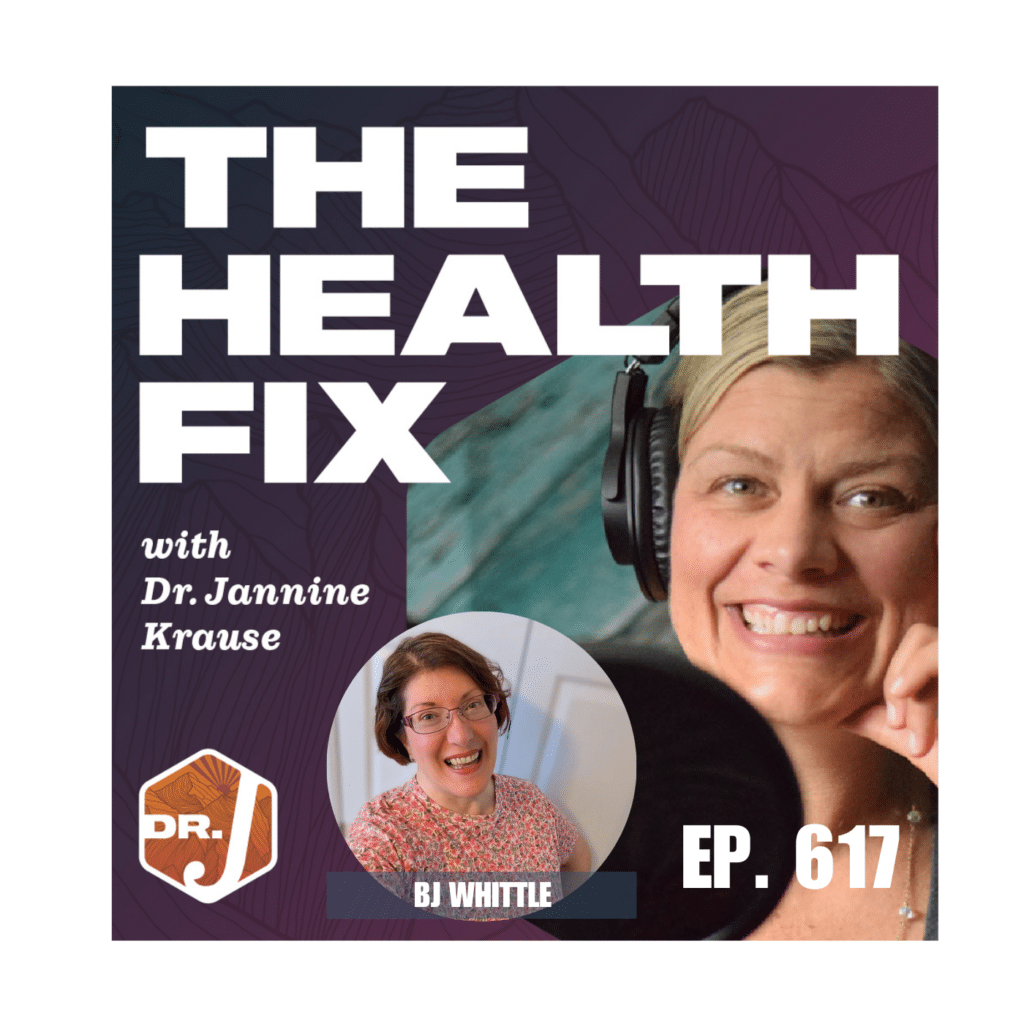
In this episode of The Health Fix Podcast, Dr. Jannine Krause sits down with Belinda Jean Whittle (BJ) — Mindset Coach and Food Peace Specialist — to talk about the deeper reasons women struggle with food, weight, and cravings, especially in midlife.
Belinda shares her powerful story of surviving ovarian cancer at age 29, developing an eating disorder afterward, and spending years learning that her relationship with food was never actually about food.
After losing 85 pounds without hunger, extreme dieting, or GLP medications, Belinda explains how true transformation came from healing emotional eating, understanding food noise, and learning how to nourish her body instead of fighting it.
Dr. Krause’s Protocols
Instructions Included
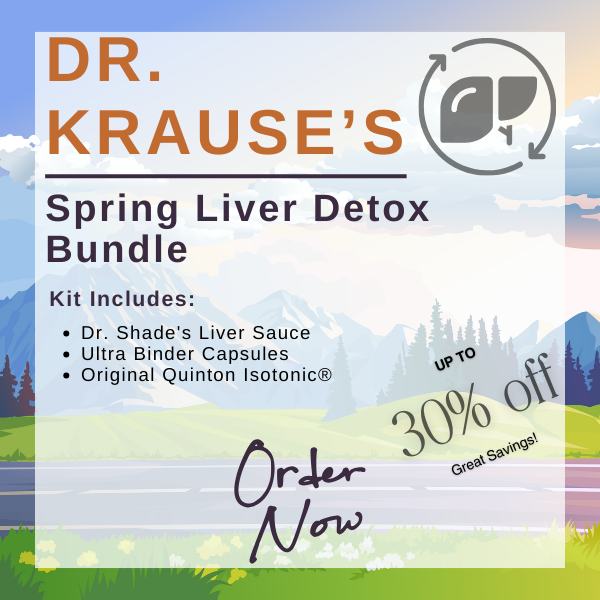
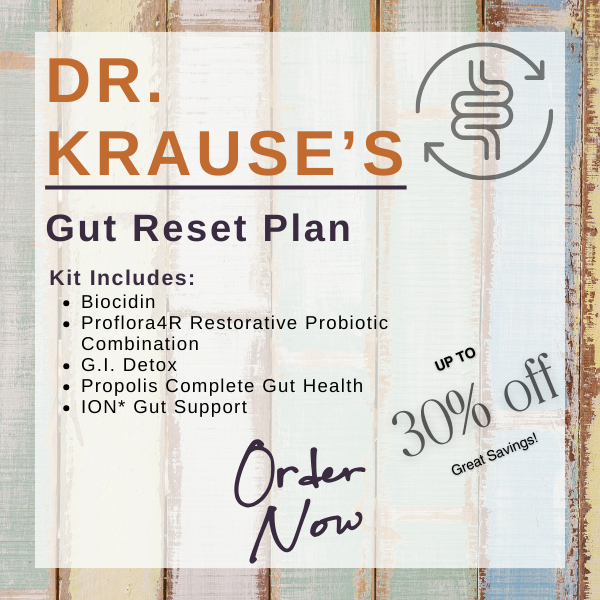
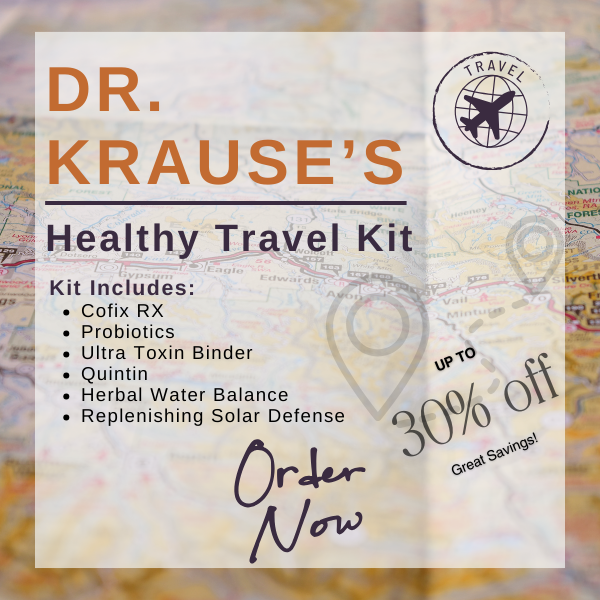
Traveling soon? Looking to detox or reset your gut? Try one of Dr. Krause’s Fullscript plans.
What You’ll Learn In This Episode:
- Why cutting off symptoms doesn’t fix the root problem
- How stress, fear, and emotions can drive overeating
- Why food cravings are often about what food is doing FOR you
- How to break free from the diet mentality
- What food freedom actually looks like 20 years later
- How midlife women can create sustainable habits for energy, health, and vitality
Belinda reminds us that the problem is not that you lack willpower — the missing piece is understanding the relationship you have with food and yourself.
If you’ve tried every diet, feel exhausted by constant food thoughts, or feel like your weight is controlling your life, this conversation will give you a completely different perspective.
About Belinda Jean Whittle
Belinda Jean Whittle is a Food Peace Specialist and Mindset Coach who helps midlife women break free from dieting, emotional eating, and the exhausting cycle of restriction and guilt.
After surviving ovarian cancer and struggling with an eating disorder, Belinda spent over 20 years researching, healing, and developing a deeper understanding of food relationships and behavior change.
Today, she helps women reduce food noise, overcome emotional eating patterns, and build a peaceful relationship with food.
Her work focuses on:
• Healing the diet mentality
• Understanding emotional eating
• Reducing cravings and food obsession
• Creating sustainable behavior change
• Supporting women in binge eating recovery alongside appropriate professional care
Resources From The Show:
Learn more about Belinda’s Food Peace approach and upcoming workshops:
Embracing Food Freedom Workshop
Learn why diets don’t work, how emotional eating develops, and how to begin rebuilding trust with food.
Dr. Jannine Krause’s Website
Our Partners

Podcast Transcript
Chapters
00:00 Introduction to Belinda’s Journey
03:00 The Love for Food and Nourishment
05:47 Facing Health Challenges and Emotional Eating
08:58 Discovering Binge Eating Disorder
11:59 The Impact of Caregiving on Health
15:00 Reframing Cooking and Meal Preparation
17:53 Finding Joy in Flavor and Spice
21:10 Exploring Local Food Culture in Halifax
26:59 Embracing Food Freedom
31:21 The Joy of Eating Out
32:16 Breaking Free from Food Morality
34:51 Understanding Food Noise
38:53 Food as a Coping Mechanism
43:48 The Psychological Aspect of Eating
47:18 Navigating Weight Loss Journeys
54:39 Workshops for Food Freedom
Jannine Krause (00:01.154)
Belinda Jean Whittle, welcome to the Health Fix Podcast.
Belinda Jean (BJ) (00:05.279)
Thank you so much for having me, Janine.
Jannine Krause (00:07.778)
Well, guys, I’m excited to have Belinda Jean, aka BJ, as I know her. So I’m gonna be calling her BJ here. We’re all just gonna get, you know, super friendly on this podcast. But my gosh, I’ve been excited to talk to you because Belinda lost 85 pounds and not with GLPs, not with any assistance in that department. She figured out what was going on with her food and and what the symptoms were of the cravings and whatnot. So we’re gonna talk about that today. So Belinda, aka BJ. What?
Is it about food that you love so much? What what is it that that draws you to food? Because I think for a lot of people, we’ve we’ve come to the point where like food noise, we gotta shut it down. Food, you know, we’re we’re almost to the point where like we go anti-foodie. And I’ve noticed in in getting to know you that you enjoy figuring out the best meals and mixing foods. And and I I observed you at a recent retreat and I was like, she loves food. And and we can still have a love for food.
in love for eating and get things under control. So tell us a little bit about how you did that. And what food you love. Like what’s your favorite food? Let’s go there first.
Belinda Jean (BJ) (01:17.631)
Mmm, I love a strong coffee in the morning and with just a hint of of cream, like enough to just kind of balance out the bitter and just that bold flavor just on my tongue. It’s like, it’s amazing. Or, you know, fresh berries, but they’ve got to be fresh and ripe in summer, right? Like, you know, you just the flavor sticks with you for hours. And gosh.
I mean something with like fresh stir-fried veggies or like I want something where the flavor’s exploding on my tongue. And if I eat something and it tastes flat, I’m just like, this isn’t worth it. This isn’t worth it. I want something that’s going to nourish me, feed me, and give me pleasure. Because a lot of people ignore vitamin P, which is pleasure in my mind, in their food. But if you enjoy food and you don’t make it, if you’re not making food evil.
And bad in your life, right? You’re enjoying it and it it becomes what it was meant to be is nourishment.
Jannine Krause (02:21.097)
Yes. And I’ve noticed that guys in getting to know BJ over, you know, the last month or so and having a whole week of a retreat with her. I I noticed how much she really embraces food and loves it. And this is something that I feel like for a lot of people, we get the idea that we need to like just break up with food altogether and and become numb to it. And that’s gonna be the secret to all of this. And and clearly you figured that wasn’t the case.
Belinda Jean (BJ) (02:46.975)
No, it’s not. It’s really and I tell people like it’s actually not about the food at all. Although they think it is. They’re like, it’s this food. I can’t stay away from this food. This food hates me. It’s like, you know what? It’s not really about the food.
Jannine Krause (03:01.709)
Mm-hmm. Mm-hmm. So let’s talk about your journey. Let’s talk a little bit about the 85 pounds coming off and and what you discovered in it not being about the food. What what did you find? What kind of little signs were was your body telling you that maybe some folks might not have realized that they mean other things?
Belinda Jean (BJ) (03:20.479)
Mmm. Well, I guess the the journey started when I was going back to university and I was going to get this, you know, degree and the big power job and work in the city and brag to all my friends. All the things you do in your twenties, right? You’re just like, I’m gonna have a great time. And I was seven weeks from getting my degree and I woke up in pain and I went to the ER and ended up in surgery four hours later, and I was twenty-nine and
The doctor’s like, don’t worry, it’s not cancer, you’re fine. It’s like I woke up and it’s like, yeah, you have ovarian cancer, and it’s not what you want to have when you’re 29. And I was, I spent so much energy, like I was an only child, so so much energy reassuring my parents and saying, Hey, I’m okay, I’m gonna be fine. They say they got it early, it wasn’t as spreadable of a type as other people have. You know, and tell my friends, hey, I’m okay, I beat this, I’m gonna be fine, right? And once you get past that initial.
Rush of okay, it’s good, it’s good, I’m fine, I’m okay, but nobody was reassuring me that I’d be okay. And I couldn’t say that I was scared to my parents or my friends because I was the one reassuring them. So who reassured me? And I had leaned on food for like some emotional eating, and when I was happy and sad, like through my 20s. And then when this happened, it’s like, well, food was the only thing I could lean on, and so.
So, what had been some casual emotional eating ended up becoming more. And I started using food like to calm down and using it to comfort me. And when I didn’t know what to do, or I felt scared, if I ate something, I felt better. I’d relax, and life would life wouldn’t be okay, but it felt okay. And then I realized that I couldn’t avoid certain foods, and I was I was eating meals at home and sneaking off to the
corner store and buying like the big bag of chips and you know the pastries and the chocolate bars and the pop and hiding them under my bed and eating them at night because I’d been staying with my parents when I moved. And it was you know and I was eating way more I certainly wasn’t hungry like my stomach was sore and I got to the point where I thought well part of it was my brain was thinking well I have ovarian cancer. Only 20% of people make it five years.
Belinda Jean (BJ) (05:48.76)
So if I’m gonna die, I’m gonna eat cake. Thanks, I’m having cake. I’m having all the cake and maybe seconds. and that’s like where my brain was going. So and then all this fighting food and I had this constant food noise. Like I thought about what I was eating. I was beating myself up for what I ate last night. I was planning what I shouldn’t eat tomorrow. And then, you know, I was sud giving myself judgment for being such a bad person. Like, why couldn’t I stay away from this? Like, don’t I have willpower?
Like what’s wrong with me? Like I’m such a failure, right? Like it’s all these things. And I got to the point where after a few years of this, I thought, am I going crazy? Is this what crazy’s like? Because I can’t shut it off. It’s going on in my head. It’s like a circus. And I I don’t know how to shut it off and just be normal again. And I felt like it’s like there’s a river and I was on one side of the bank, which was wherever I was.
And the other side of the river is normal eating and normal people. And I didn’t know how to get there. There was no bridge and I couldn’t swim, you know, in this river. And I’m like, I don’t know what’s wrong. And I bumped into somebody and found out through some research that I have binge eating disorder. Like all the stereotypical symptoms of I was binging like once or twice a day. I didn’t purge or anything. I was just, you know, eating until I was stuffed. and all the guilt.
And the shame, the loss of control with food, and so all the symptoms. And and I’m like, well, great, how do I fix this? And it’s like there were no programs in Canada where I was living. And their programs that they did have in the States were like way more money than we’d ever paid for anything. Like that was not a go either. So I thought
I can’t live the rest of my life this way. I need to be free. And so then I’m a bit of a research nerd. So, in addition to my nutritional research, like to help with my avoiding cancer, I was like, okay, how do I heal binge eating disorder? How do I deal with emotional eating? How do I get better? And so that led to a rabbit hole of me trying like reading books on binge eating, on looking at different podcasts, checking with people, taking the programs I could afford, doing a little bit of
Belinda Jean (BJ) (08:10.688)
therapy on the side and I cobble together kind of my own journey of dealing with why I was using the food in the first place and how to deal with that need that wasn’t being addressed and I was using food to address something else that food was never really meant to do. And that’s why I couldn’t let it go because if you say just eat this food or try this diet you’re taking away the one thing psychologically that you’re using to cope and you can’t do that.
Like you don’t last very long doing that. So over time I, you know, healed myself from binge eating disorder. And the day I stopped binging, it was like three, four days later I realized I hadn’t binged. And I was like, And I hadn’t had chocolate like three or four days. And I used to have to have it daily.
And I was like, this freedom feels amazing. Every woman needs to feel this way. That was my next natural thought. And I’m like, gosh, yeah. So then it was like, how do I put this together? Like, how do I document my journey? And also after that, while I was building what became what I do now, I also was like, well, I have some health issues. I want to, you know, improve them. And my mom had passed.
Of type 2 by diabetic complications, and seven, eight months after she passed, I was diagnosed, and it was because of a lot of things happening in the same year. And I was like, No, I’m not going down this pathway. And when I was diagnosed, my A1C was 8.7. And I and my it went from six the year before to 8.7. My doctor’s like, I don’t know what happened. I’m like, well, I had major surgery for a cancer recurrence. My mom died with two days’ notice.
Know and my dad has dementia and I’m carrying all of that and a full-time job, and you know, after years of parent caregiving, right? So that’s why I tell people you can’t do it all. You’re going to harm yourself. And anyway, and so I’m like, Well, I want to get my health back, I don’t want to be like my mom, I don’t want slow decline and early death. You know, I deserve to live my life. I want to have vitality, I want to have health, you know, I want to live before I die. That’s that was where my thought was. And then I met up with some
Belinda Jean (BJ) (10:28.5)
Who had more of a database program and just helped me play around because I knew what to eat. Like most women, I know what’s good to be eating, right? And he helped me dial in like a little bit more protein, ease back a little bit on the fat and carbs, enough that I’m still satisfied. And I lost like 40 pounds in my first four months, which I don’t recommend to anybody because I did lose about half my hair because it was too fast. I slowed that down a little bit and then like slowly lost the rest.
But I’m down 85 pounds and I’ve got some more to go, but I took a little bit of a break and said, I’m just gonna relax, I’m going to help some other people, and then I’ll come back and put some more focus on myself, like getting more active, etc. So I guess the nutshell is this is not the journey that I originally planned for my life, right? I was going to get a good job, make money, travel, blah, blah, blah.
And then it kind of went into the journey I was meant to take. And this has completely changed my life. It’s changed my focus. And obviously I want to help others find that freedom as well.
Jannine Krause (11:37.838)
Makes sense. I mean it makes sense, you know, it’s it’s so common what you’re describing, right? There’s a there’s a certain catalyst, right? In your case, un you know, unfortunately a cancer. And for a lot of people, sometimes it can be a cancer, but sometimes it can also be taking care of parents, which, my goodness. Were you taking care of mom and dad before this too? Or or okay. Okay. wow.
Belinda Jean (BJ) (12:00.381)
Yeah, yeah. probably
gosh. I’m just trying to think back now. I think it was around 2012. My dad had a a full-on stroke and drove for five hours before going to the hospital. and he recovered enough but wasn’t quite the same and had like a mild bit of dementia. And so I was kind of like from 2012 to 2019, like checking in, helping with household stuff with their house and my house. And then in 17 I said, why don’t you guys move in with
Me because it’s exhausting trying to manage two houses and drive 60 minutes to work each day, right? And so then they came to stay with me, and then mom passed, and dad made it two years longer. And I was like, Yeah, so it was honestly the week after dad passed, I went to help clear out the apartment because his last year he went to an independent living place because he wanted more company when I was at work.
And I went to clear out his his stuff and I went to go pick up the Christmas turkey for myself. And I’m like, well, I’ll just put it in the freezer for later because I didn’t feel like cooking it. And I went to drive and I got about five minutes out of town and I had to come back because I just felt so off. And I went to see a friend who was a nurse and she’s like, If you go to the hospital, they’ll admit you. You are so exhausted. Your blood pressure is not like acting quite right. And I’m like, I
I just want to sleep. And I ended up sleeping for about three months afterwards. They put me off work and I was so beat. But and that’s why I tell people it feels so I’m just gonna help out. I can do that. I can fit that into my lifestyle. And then it’s like, No, you really can’t, because it’s like the frog in the boiling pot of water. You don’t realize how far d how far down the road you’re going health wise and what you’re gonna be giving up if you do this. And it’s not that you don’t love them, but most people’s loved ones
Belinda Jean (BJ) (14:02.576)
don’t want you to sacrifice your health and your life just to care for them. I’m but that’s what we do in mid age middle life and it’s we just step in because nobody else is gonna do it or they’re not gonna do it as well. And yeah.
Jannine Krause (14:17.687)
Yeah. Yeah. I I completely understand. I’m an only child and and mom passed some years ago and I have dad, right? And and over COVID I moved back home to take care of dad because he was having some health issues. And one of the things I noticed, you know, about myself too is that you you just keep going and and you’re like, I got all this, I I’ve got the work, I’ve got that, I’ve got this. And it’s so fascinating that how much we can push away and not realize it.
What did you notice about your eating patterns in that time? Because I think for a lot of people, you know, they’ll be like, I’ll eat out a little bit. It’s okay. You know, I’ll eventually get back on track. Did you tell yourself those what all what are all the things you told yourself too? What did you notice?
Belinda Jean (BJ) (15:01.662)
I told myself everything. So when clients tell me things, I’m like, yeah, I’ve done that. It doesn’t work. no, I mean with the parent care, at first I could cook some. And then it was like when they moved in with me, I was still driving to work. So I’d leave early in the morning, go to work, come home, and then it’s like, okay, you know, Dad, did you get a shower? Did you remember? you know, mom, like, did you eat anything? Like, do you guys have something for supper? And then making sure they had something.
supper and they ate later than most people. So it’s like, do you have supper? Are you settled? Do you have everything you need for the night? And then it’s ten o’clock at night. And I’m like, I’ve had no time. I’ve been running like a hamster since like six AM and I’m like, where’s my time to unwind? Like, why am I doing this? Like when do I get to be me? And so I’d be squirreled away in my den upstairs watching TV until like twelve thirty in the morning because I’m like, this is the only way I can rel I wanna
There’s no day left and my brain is like, What’s the point if I have no day left at the end? And so then I had no energy to cook and my mom was super sensitive to smell. So if I cook something, she’s like, What are you burning? And a lot of fights about that. And I’m just like, I’m done. I’m done. I still don’t like to cook, but I do it now. But
Then I was like, I got up in the morning, I ran by Tim Hortons to get like a breakfast sandwich and some orange juice to get me going. But then I kind of felt hungry still, like when I got to work, not quite enough. So I’d grab a muffin on the way to the office as I’m walking from the parking garage. And then, you know, the morning I would eat my muffin or something. And then I’d have lunch. Usually I’d sometimes I’d bring something, usually a frozen dinner or something, because I’m like, who has time to prepare anything? And then
afternoon that you know maybe some pop and chips or a snack or something and then it would be the evening on the way home it’s like well I don’t have the energy to cook anything I can get like them something quick so I would either eat get something at home bring takeout or whatever so I was eating out three meals a day it’s no wonder I was gaining weight and caring for the parents etc etc right so it made perfect sense and I was hungry all the time and then I kind of started feeling
Belinda Jean (BJ) (17:24.176)
Like, wow, like maybe my blood sugar had dropped or something, like something felt off. And this is before I was diagnosed. And now looking back, I could see where I was, you know, eating more than I needed and that was causing things to go a little off the rails, but I wasn’t aware of it in the moment. But yeah, I was eating out all the time because who has time? And sometimes you just need to treat yourself, right? You’re like, I have no pleasure in life, this is my pleasure, you know? I’m going to Wendy’s to get what I want.
Jannine Krause (17:54.444)
Goodness. I mean, it’s it’s so it’s so common, right? And and I think a lot of women, you know, I will see a lot of women that’ll come and be like, I don’t know how this happened, but but we do, we really do, if we sit down and go, okay, we just became busy, we didn’t plan. Okay, great. Now, one key thing I heard you say is I don’t enjoy cooking. And I hear this a lot.
From from different perspectives, you know? My my perspective, I used to love cooking. I was like the biggest foodie. I even had a website called like Recipe Whisperer back like in 2010. And now it’s like I don’t enjoy it like I used to, but I do it because I know I have to with meal prep and all of that. Can you speak a little bit to how you’re getting around?
That like I really don’t enjoy it, but I know I’ve got to do it. What’s that mind switch? What what is that little secret? ‘Cause I’m sure you don’t you hear people say this all the time.
Belinda Jean (BJ) (18:47.27)
Yep, yep, totally. Well, at first I tried praying for a personal chef to show up on my door, and that didn’t happen yet. So I’m actively working eventually at some point because I live in a small town of about twelve thousand people and I’m about an hour away from a city. So it’s like that’s not really logistically possible. And you know, when you get done having the pity party of why do I
To eat healthier? Why do I have to whatever? It’s like instead of saying I have to cook because I need to eat this, it’s coming, and this is part of like a bit of perspective or reframe that I do in my work with people. It’s like it’s not I have to cook because I can’t get quality food elsewhere. It’s like
I want to cook because I prioritize my health, because I’m worth this, because I want to nourish myself well so I can have energy, so I can wring every drop of life out of life that I can get, right? And it’s like if you want substandard fuel, you know, in your body, you’re not going to get the performance that you want. And it’s not like you have to eat perfectly, but the bulk of the time you’re going to want to eat more veggies.
You know, better quality proteins, etc. etc. Like, you know, get your beef or chicken or lentils, whatever you eat, and and get the veggies, get the nutrients. I mean, that’s a big part in shutting off a lot of the food noise. But it’s like eating well. So as much as I’m like, I don’t feel like cooking, it’s like my goal is to nourish myself and be vibrant. So
I don’t want to cook every night. I’m I get distracted. I forget what I’m doing. I, you know, start thinking of something and lose track of time. So on the weekends or when I feel I have some time, one thing I do is I make up a big pot of chili and lots of beef, a few beans, lots of veggies, and I freeze that in portions and throw it in the freezer.
Belinda Jean (BJ) (20:46.332)
And to me that’s my oatmeal. I’ll eat that like mid morning and have that with some almond crackers and I’m good. And so I cook it once and I assemble it, it simmers, and then it’s just stick it in the microwave. And that’s my microwave dinner. and for other meals I will sometimes cook up like chicken. I’ll get the big pack of chicken. It’s funny, I go I shop at Costco for one, right? I I get the big pack of chicken, I’ll cook up all four pounds of it, and
Jannine Krause (21:12.033)
Works.
Belinda Jean (BJ) (21:16.656)
Then I’ll cool it off. I put some herbs on it, different ones, and I’ll cool it off. And then I will chop it up into serving sizes so I have a fairly similar portion and then freeze that in like containers or bags. And so when I get home, I can be like, do I want chicken with some veggies and butternut squash, which I could pull out of the freezer quickly and warm up.
Or do I want chicken on top of some colesla or a salad with a dressing? So it’s like what is my mood tonight? I can mix and match. And so that’s what I try to do. If I make up a dinner with like, you know, some carrot and turnip and a bit of hamburger and gravy, I can portion that and freeze a couple. And so if I’m in the mood in a month from now, I can do that. So that’s kind of been my way. I do want to get more into doing stir fries again. I used to like doing them, but I’m like, baby steps.
I’m like, I have something that works. Now it’s like just the next step, right? You don’t have to do it all overnight.
Jannine Krause (22:18.197)
Yeah. And that I mean that’s so important to think about. And I love I love that you have the variability, right? Because a lot of people will be like, I’m on a diet again. I’m gonna eat the same thing, you know, chicken and rice and broccoli for the next, you know, eight months. And and you know, no one’s gonna we we all love those, you know, the the the foods that we can we can mix and match and and have good flavor. And that was one of the things you said is is having good flavors.
to the food and I I heard you say spices. Do you have particular spice mixes that you really like? Or are there little recipes of spice flavors that you have found that are like absolutely just do it for you?
Belinda Jean (BJ) (22:59.945)
There’s some different ones I’m trying. There’s a lady who has some organic spices locally, and I’m sure there’s lots of places in the US as well. but one was like a a Tuscan mix of some different spices, and another is like a poultry blend by some company, which is kind of more a bit of like a thyme and sage and major and you know, like those type of spices, a bit of rosemary. So like a general spice that makes the chicken taste good but is not overpowering that it wouldn’t taste good with salad.
salad dressing. That’s kind of where I go. or I could just add like a bit of steak sauce or barbecue sauce on some of it and then just drain off the extra and have the flavor that way.
Jannine Krause (23:43.18)
Yum and smart. Okay, what other tricks do you have? Cause I’m like, girl, you got some good tricks here. And and it’s such an issue because people, you know, people will be looking at recipes, they’ll be looking at different things. But at the end of the day, I think having like a repertoire of like five go-to spice mixes that either you found, you know, and you’re like, this is really good, or or just being able to to to seek them out. I probably am very curious too about that. Is where how do you
How do you seek out spice mixes? Will you go to like farmers markets? Will you go to spice local spice shops? Like what’s what’s your idea of like how do how do I how do you find the thing that you’re like, this is this is potential?
Belinda Jean (BJ) (24:23.11)
I think I think the biggest thing is just like what appeals and be I mean, I have the standard things. You know, I have the basil, I have the oregano, I have the dill. thyme is very versatile with chicken. I’ve started putting a little bit of a sprinkle of thyme in you know, scrambled eggs or an omelet and that you know, with a bit of parmesan and some red pepper. And it’s like that kind of adds a little bit of an interest to it, right? ‘Cause I’m like regular eggs get boring after a while. So I’m just like, Well, how can I make this a little different?
And the the poultry seasoning one that I found was from Epicure. I’m not sure if they’re still in business, but like different people that sell spices sometimes. I asked them, I’m like, do you have like a multi-purpose kind of a thing that’s different, that’s, you know, good with chicken? Or when I was traveling in BC a couple of years ago, I was in like their gift shop and they had different flavored
salts. They had like salt from Salt Island and they had one with a Pinot Noir and a Pinot Noir like salt. And I’m like, that would be so good on salmon. And so I have coho salmon from Costco, I thaw it in the you know, in the water in the sink, take three of them and I’ve got three nights worth of meals and I can do some steamed veggies with them, right? But that little bit of Pinot Noir sea salt sprinkled on it or lemon pepper or, you know, dill, like it’s it’s kind of a g you have
have to sort of try. And if you’re not sure and you have three pieces of salmon, try three options. Then why if you don’t like it, it’s only one you don’t care for, right? But I’m like, yeah, I get bored. So
Jannine Krause (25:57.753)
my gosh, I love it.
love I love how you think and I knew that from from getting to know you that like I’m like she she’s into her flavors because it’s just watching you mix food and being like this will go good with this and I’m like okay I have to I have to pick her brain because I think a lot of people part of it’s we’re bored we are just straight up bored with food. Now of course I I happen to know guys she she lives near Halifax in in Nova Scotia and I’m curious like what you know I always like to talk a little travel and and you had mentioned BC and we’ll talk about that a little bit.
Where are the hot spots in Halifax? Or where are the spots you like to pop by? What kind of food spots do you like to pop by that have, you know, different different flavors and and it doesn’t necessarily have to be a particular restaurant? I’m just kind of thinking like when you’re going out, what are you what like what are you thinking about when you’re going out now? You know, and you’re like, okay, I really want something and I wanna make it healthy, you know, I wanna make a good choice.
What what’s what’s going through your brain? Let’s break it down and and if you have a restaurant or a place you love, by all means, share.
Belinda Jean (BJ) (27:02.436)
well, I guess I’d backtrack a little and say I’m not actually looking for you know what what’s healthier, what fits into my plan per se, because I d I’m not doing a plan. I’m like, this is my life. And so if something appeals that would not be considered like acceptable, well that’s fine. Like I’m only gonna eat it once in this particular situation. So I don’t care, right? There’s no guilt. now that I’ve moved past all of
of that mental gymnastics, right? So when I’m going out with a friend, I’m like, there’s a couple places, but my standard is I can I don’t eat a lot of gluten and stuff. And it’s not that it’s bad, it’s just that I react to it more and I get psoriasis if I eat it, but if I don’t it’s gone. So I’m like, okay, this is a notice to me not to eat that. So I don’t eat a lot of gluten and grains. And and by also eating not crazy low carb, but just
And the weight loss, I was able to drop my A1C to from 8.7 to like 4.9. So it works, right? It works. but when I go out, I’m just like, okay, I want some options. I don’t want to go crazy in carbs because it doesn’t make me feel good. And I feel like crap. So to me, it’s like, no, I want to eat stuff that makes me feel healthy and energetic. I don’t want to feel like I want to go nap all night. So I’m like, I want steak. I usually want a really good steak.
Because it takes time and effort to cook one at home, and I’m not always doing that. So I’m like, if I’m going out, I want steak. Dead cow, please. but you know, it’s good, or salmon, or a fish. I’m not getting chicken when I’m eating out because I get enough of that at home, and I’d probably cluck if I did. So it’s no, no. I want to have usually steak or fish of some kind. there used to be, there’s this place outside of Halifax called Martin’s Kitchen. Martin apologies.
Apostrophe S kitchen and Martin is the chef and his wife, goodness, it’s not Sylvia, I’m trying to Sheila, I think it is, is like the the host. And it is amazing, amazing food. And I went there and I was so excited because it’s not cheap. And a friend of mine who’s a real estate agent, she gets food. I said, I’m calling you, I want someone to come with me to try this out.
Belinda Jean (BJ) (29:29.102)
The they had tomato soup, like a tomato bisque, and it was so the tomato was like still alive. You you could swear that you were eating it straight out of the garden, like it just burst in your mouth. And the he had like the fresh real parmesan grated in through the soup, still like in pieces. And the flavor, it’s like my tongue was like was like numb with ecstasy. It was like amazing and it was like a credible. And I had a halibut
with no haddock I think it was with gosh a Thai inspired cream sauce so like Thai seasoning cream sauce over a little tiny log of mashed potatoes it kind of went up over the potatoes and then some freshly steamed veggies on the side and just looking at it and eating it was amazing and I forget what they had for dessert. I think it was
I think it was like a a chocolate cake or was it I’m trying to remember the top of my head now. I I’ve got pictures, but it was like a I think it was a chocolate cake, but it was it was more of a flowerless type cake and it was not super sweet, it was really rich. And I’m like every bite was like the flavor was perfect, not too sweet, not too whatever. And it’s like every bite was like
This is like the best experience of my life. If this were my last meal, I’m good with it, you know? And so and I kept like some of the soup behind because I knew I wouldn’t have room to have all the soup and my meal and I wanted to enjoy everything. So for me it’s about I wanna enjoy the experience. I wanna love eating, but when I’m done eating, I’m not thinking about food, right? Like it’s totally gone. So usually a steak or fish, steamed veggies because they just feel better in my tummy, salad.
It’s you know, and it’s not because those are diet foods, it’s just I feel better when I eat those foods.
Jannine Krause (31:26.155)
My goodness, you hit the nail on the head there, VJ, because I had said, yeah, going into it, thinking like healthy choices, and and that’s because my brain does that. And and let’s be real like you you if you do choose the like rubbery chicken at the restaurant and you eat chicken all the time, it’s not as good of an experience. I mean, unless the place is known for chicken, like maybe, maybe that you know, we got a barbecue chicken place or or bursted chicken place, but yeah.
It you you’re eating out, someone else is making it for you. You might as well, you know, go for the gusto here. And and I love the fact that you said you’re like not thinking about it anymore because if you have a truly delightful experience, you’re not going to because you’re gonna be satisfied. And do you think that part of the problem we have as as humans is that we just eat a lot of food that’s boring?
And we’re not ha finding that satisfaction for our tongue, do you think?
Belinda Jean (BJ) (32:26.844)
I think part of it is we’re eating foods we think we should be eating because and you know, then we label everything, right? Because it’s healthy, because we should, because we’re good or bad, because we’re eating this food. And it’s like there’s no morality in food. It’s just food. And you know, and people also are so much in their head thinking, I should be eating this or I should be eating that and this is the choice that I would want everybody to see me ordering in the restaurant, you know, because
I don’t weigh the size I think I should be and therefore they’re they’re performing and they’re you know they’re eating what is ideal but it’s not satisfying them. So then they go on from there, right? And also like they have so much food noise and so they’re like this is what I should be eating and they’re bargaining with themselves or beating themselves up for the last time they didn’t have it, right? Yeah. Yeah.
Jannine Krause (33:22.483)
Mm-hmm. I think a lot of people don’t realize how much the food noise is like the bargaining, the calorie counting, like adding it up and going, I just ate, you know, sixteen hundred calories and you know, blah blah and now the food shaming comes in, you know, for yourself. And I I I think a lot of people think food noise is just straight up like the cravings and things, but it’s it’s all of it. It’s all
Belinda Jean (BJ) (33:46.941)
It’s all of it. And I I told a friend last January, ’cause she was I’ve worked with her and she’s come a huge long way from where she when she started with me. And I had said to her, I said, I you know, every every year I weigh myself, like in January, to curiosity, you know, end of December, early January. And
You know, I’m just curious ’cause it’s like I wasn’t really tracking anything. I wasn’t counting anything. And, you know, s I know I go up and down a little bit over time. But year over year, and I’m not actively trying to do anything yet. And it’s like year over year I went up like point four of a pound.
For a year. And like that’s with not tracking, that’s with eating chocolate on occasion, you know, eating, you know, on occasional fish and chips. I don’t, you know, it’s it’s but because I’m not using the food to manage my emotions and I’m not fighting myself and I don’t have all that tension coming from it all, it’s like now it gets to be, well, you know, I’m feeling a little full from that, and maybe I’ll just have something else, right? So you’re learning to eat more like you used to.
Belinda Jean (BJ) (35:00.4)
what it needs in what it needs, but we’ve we’ve blocked ourselves out from listening to it because diets teach us to mistrust ourselves and to ignore our survival instincts. And then we beat and then diet culture teaches us that we’re bad or we’re shameful. And we go from there, right? So it’s a case of we society and diets and our own ingenuity, we’ve taught ourselves that we have to eat this way or we’re bad. Or our life is on hold.
Until the scale spits out this number. And I’m like, when are we giving our future to a box with a spring in it, right? And it’s no, no. It’s we have to, we have to live now because as a lot of people who’ve lost weight or regained it, they find they get to the weight they want to get to and they’re not happy and they’re not fulfilled. And they feel, you know, they don’t feel that magic they thought they’d feel. It’s like now, you’ve got to deal with what’s going on inside you and your thoughts and your emotions.
In order to, you know, if you if this becomes part of your life and not just a plan you’re following to reach a number, then you don’t have to have all that bandwidth. You’re not spending all this effort planning, tracking, thinking, right? You’re you’re moving on. And if you unplug all the diet culture and all the good and bad or the clean and dirty, that one gets me going. Like when we were kids, we pull carrots out of the ground in the neighbor’s farm and rub it off on our shirt and eat it. That’s dirty.
Nothing else is really dirty. but anyway, but you know, all foods have a purpose. Not all foods are going to nourish you well, but you know, it’s your choice. There’s consequences, you choose. And when you have that ownership over who you are, you know, and and what you’re gonna do. Like you most people know that, you know, if you eat at McDonald’s every day, you’re probably not gonna achieve vibrant health. It doesn’t mean you’re evil if you go there once in a while. That’s fine. But you know, it’s like you
get to choose and when you’re choosing from a place of you know you don’t have to do anything to earn like worth you were born worthy and so now it’s your goal to nourish yourself well and to care for yourself and to give yourself a little bit of your time and attention in addition to everybody you’re helping and when you do that you get a different you get a much different result and it doesn’t feel like pushing right so
Jannine Krause (37:27.009)
I think that’s well said with the the nourishment and thinking about nourishment because nourishment can mean chocolate because you as you mentioned before we hit record, cutting off the symptoms of of
Binging and cutting off the symptoms of overeating isn’t gonna fix the problem. And and of course, this is kind of the time where I’m gonna bring in, you know, one of the problems I do see with with the GLP ones, even though I have recommended them. I, you know, have used them myself. I’ve I’ve worked with them. But the the big thing is is we we need to really get to know ourselves and and why these things are happening. You know, it’s it’s really trying to figure out.
What is it, you know, with us individually? Not your macros, not, you know, and and I and I think also what is it with us individually that when you do use a GLP one and it and it stops the cravings, what were the cravings originally trying to tell you in the first place? And figuring that out. And that’s why I’m always saying to folks, you know, when you’re using GLPs, you to get the message. You got to get the message. What what is it teaching you?
And in your case, you’re kind of teaching folks and helping folks to just really see on their own what is this all about? And so I’d love to get a little bit personal in terms of what kind of insights did you learn about the food specifically? What was it supporting you? Was it a friend? Was it, you know, what was it serving for you in in these cases when when you were binging?
Belinda Jean (BJ) (39:03.824)
Food, I I like to say that I honestly truly believed that food was my one true friend during those years. Like it was the one thing I could depend on. It never let me down, you know? And you know, when I was upset, when I was scared, I knew if I just ate this particular thing, I’d feel better. You know, not the next morning, but I’d feel better in the moment, and that’s what I wanted. I just want to feel good. I wanted to calm down, I wanted to not feel scared.
right and the food did that for me. It managed my emotions. It was my only coping tool. And that’s, you know, sure, we all have times in life where we’re gonna eat a little bit more because we’re upset and stuff. We’re not all perfect.
but the thing is is when that’s your only coping tool, then that’s a problem because then you’re using food for something it’s not meant to be. But when I was thinking with my food, I’m like, this is my only way to deal with it. And I tried like intuitive eating and all that other stuff, but I didn’t get the whole message. And I was like, well, I can eat anything I want. But my next thought was there’s not enough food in the world.
To satisfy what I want, right? It’s like if there’s just not enough food. If I ate, if I let myself eat everything I wanted to, I felt like there’d be no food left for anybody else. That’s like how deep I was into it. And the food was it was a comfort. And it was the only way I knew how to get through the day. And then as I learned new tools that, you know, the actual way to deal with the things I was using.
the urge to have the food to replace to cope with those things, that went away. And so that’s why like I used to have chocolate at least once a day, sometimes twice. And if you were visiting me and you had chocolate in your room and there was no chocolate anywhere in the house, I would eat yours too. I’ll get you some more later. But I would eat yours too. Like I had no shame on that one, right? and then I once I realized that like I was treating chocolate as
Belinda Jean (BJ) (41:21.317)
a source of love and comfort and affection because I wasn’t giving myself the softness. I wasn’t letting myself relax. I wasn’t letting myself
you know, there, it’s gonna be okay. Like take a walk in nature and unplug and just be and not like we’re human beings, we’re not human doings. And you know, and I wasn’t giving myself that softness and that relaxation. So the chocolate was the only form of love. I was giving myself, right? And I wasn’t giving it to myself mentally. And so yeah, the food was serving that purpose. And it made me feel good. And the cravings and the food noise
Part of it is people aren’t eating quite enough protein, you know, like most people eat a bit less than they need. And so eating a bit more protein does calm a little bit of that food noise because their body’s looking for energy. And a lot of times, also if we eat like a lot of takeout foods, we’re missing nutrients, and the body sends a craving for nutrients, which our brain interprets as hunger. But yet there’s specific satiety in some of those nutrients. I worked with some.
Somebody who’s very an engineer who got into nutrition is very nerdy about this. But it’s like your potassium, your sodium, your iron, your calcium, foods that have these things, along with enough protein, will naturally cut that urge to eat. So a big part is: are you eating enough of real foods to cut that craving because of hunger? Because your body’s missing something. And once you deal with that, then it’s the psychological piece of: are you using food to cope with?
Your emotions or to zone out from things that feel uncomfortable. And if you’re doing that, it’ll work. It’ll totally work, but you’re never going to achieve what you want to achieve if you’re trying to achieve weight loss. If food is your only way to cope, no amount of trying to take it away is going to work until you find another way to cope. You deal with the emotions that are driving you to food. Okay, well, how do we deal with that emotion? What’s causing it? Maybe we should try feeling it because.
Belinda Jean (BJ) (43:31.149)
We’ve gotten so disconnected from our brain, from our heart and our body that we’re living our life in our head. And we’re like, instead of being aware of being in our body, and like our body’s feelings are messages. They’re not bad. And we like, that’s a bad feeling, or that’s anger. It’s like, you know, anger’s usually a boundaries being crossed or something feels unjust. And so we’re meant to do something, you know, like if you feel angry, take a walk and get it out of your system. Don’t shove food in your mouth.
That’s not going to make you feel better. That’s stuffing the emotion down. But anyway, so I mean there’s, you know, the the food noise is part physiological. It’s part we’re not eating well enough to cut off those cravings. And the other part is it is psychological if we’re using food to cope.
And the GLP ones are beautiful in cutting down the food noise. But I like to tell people, and they have their uses, but I like to tell people that it’s not going to solve the problem. The problem is not that, you know, we need to have our food noise managed. The problem is we’re not listening to the message our body’s telling us. And the body’s telling us we’re missing something we need for nutrients or protein or whatever. And also it’s not going to teach us how to learn to handle our emotions.
Because most people in life, we find a way to zone out. We zone out by drinking, by eating too much, by you know, spending too much, drugs, gambling, whatever it is. We all find a way to zone out from the things that feel uncomfortable because we’re not taught how to handle it.
And it’s learning how to handle that. Once you realize that I’m eating because of frustration, because you know, when I was younger, I felt like I always messed up and I was a failure. That’s probably not true, but when you’re six, it feels true and you carry that with you, right? And but when you realize that there’s nothing wrong with you, you’re an amazing human being who makes mistakes like everybody else, right? And when you work through that, you realize that,
Belinda Jean (BJ) (45:37.401)
I’m worth taking the time to nourish myself well. I’m not a failure. I don’t need to be punished. And when you deal with what’s causing that feeling, then you basically realize I don’t need the food. The urge for the food goes away and you don’t need a drug to do it.
But it takes a little work, it takes a little practice, but do you want to be in control of your life in a good way? You know, do you want to be present in your body to live your life? Because this body is the only vehicle we live life on earth with. And so we want to treat ourselves well. We want to feel well. We want our experience in life to be amazing. So instead of feeling miserable and feeling less than, why can’t we feel vibrant and strong, right?
Jannine Krause (46:26.465)
Why not? Why not? Why can’t we? Why can’t we? Which, you know, is my goal for everybody, right? It’s it’s the ultimate goal. Cause if we have more vibrance, you know, we’ve got better vibration for everybody in this world, which is of course my big goal is the higher vibe everyone can be, the better the better it’s gonna be.
But of course we we do have to kind of address things at at the root level and and where it at is at. Now of course I think another interesting question I have for you because some folks will, you know, on their weight loss journeys kind of get to a point where they’re like, okay, I’m gonna I’m gonna pause. And you had said you’re kind of pausing with, you know, the next level of things. And I’m curious just to, you know, hear what you’re what you’re thinking right now. And then also just kind of what you would give advice to other folks who have lost some weight.
They’re at a pause or maybe it’s stagnant. Maybe maybe it is a plateau of sorts. What are you exploring right now in as you look at your next journey of whether you’re gonna drop some more weight or what’s gonna happen next? Give us a little scoop.
Belinda Jean (BJ) (47:31.065)
Well, because like I’ve reversed my diabetes on paper, you know, my doctor’s very happy, but I still don’t have enough carb tolerance. And I’m going to nerd just for a couple seconds. Of I’ve done the deep dive into the beta cell de differentiation, so ignore everything I’m saying. and basically the the gist is is the body stores like visceral fat in the pancreas and other areas. Some people are able to have as they lose weight, they’re
Able for that to get out of there. And you know, genetically it matters, or how long they’ve been diabetic. And some people are able to get that out of there and they’re able to kind of go back to being normal as long as they gain some muscle, etc. Some people may always be a little more sensitive to carbs. If they’re trying to reverse diabetes, they may not fully be able to reverse it, but they can get way better. And so that to say is because I have that history of diabetes, I want to be able to get
Down to you know what I was most of my 20s and you know add a little bit on obviously. But I want to probably get down another 50 or 60 pounds, which is still more than I was most of my life. But I’m like, I intend to gain a bit more muscle. And I had lost a lot of weight, and it had felt like a lot. It was a lot of mental space, like just focusing on making sure I was eating well, sleeping well, all the
things and then I was like well I want to reach more people take on some more clients and so I couldn’t do that and be all in focusing just on me so I’m like let’s just calm down for a bit pause you know get my website tweaked do all this other stuff so I’m like you can’t do everything you want because you only have 24 hours in a day so I was like why don’t I just take a little rest here let my body get used to being here and focus on a few things I want to
focus on and then I can kind of start dripping it back in. So now I’m at the place where I want to lose the rest of it to get down as far as I reasonably can without like something where it’s going to be my full time day job. So then I’ve been asking kind of this question in my head of you know well do I want to lose the rest of it like now or do I want to just focus on dripping in a little bit of strength trading. So now I’m kind of like it doesn’t have to be either or some
Belinda Jean (BJ) (50:00.584)
Like, what if I slowly increase my stamina? Because I did have COVID and I found I lost a lot of stamina after that and end of 23. And that’s kind of made me sort of pause a bit. And I’m like, okay, so now I’m like, well, why don’t I increase my steps a little bit? Like, you know, do an extra five minutes a day for the week, like five minutes, hold it steady, get some general stamina. When that feels good, and I don’t feel like I need to eat way, way more to keep up, like it’s not taxing my body.
Then I’m like, I’m gonna start doing like a bit of gentle strength training because in midlife gaining muscle, like muscle is the currency of longevity. And so I need to strengthen and get my muscle better, but I’m like, if I just focus on that, I need to focus on the muscle and also lose the weight, which is kind of their two opposing forces to the body. One’s gaining and growing and building and the other is losing. So I’m just like, yeah, I’m kind of on the cusp of, you know.
Well, maybe I just ease back and you know maybe lose another 20 pounds or so over the next few months and then you know slowly start working on adding in a little bit of strength training, like baby steps, right? And like if I do a slow progression, I don’t go all in on the first day and kill myself. That’s going to be what because I want to be strong. I want to bring my Costco groceries in and not need the chiropractor. you know, it’s it really it is a thing. And I
I’m just like, okay, you know, so I’ve lost enough weight that the immediate health risk is gone. But I want to have that sh energy and that vitality. And so I’m like, how do I do that and still be good to myself? How do I do that and be, you know, kind and to have that vibrant energy? I want vibrant energy. So that’s kind of where I’m thinking of. It’s like, well, and if I just tweak and lose weight, that’s not helping my muscle because if I build some muscle.
That’s going to help with glucose disposal. That’s going to help my metabolism and my metabolism isn’t quite as fast as it should be. You know, so I’m like, okay, I’m leaning toward why don’t I do a slow bit of strength, you know, a couple days a week to start, very easy, and maintain like a bit of general mobility and activity. And I tell the ladies who work with me who aren’t active, just start with a five minute walk. Like walk away from your house for two and a half minutes and come back.
Belinda Jean (BJ) (52:30.19)
Do that for a week. If that feels easy, then go to five and then go to ten. And it’s not that you endless cardio, but you need general movement and mobility and then strength. That’s that’s my nutshell version, anyway. So the goal is is to whatever happens first is to lose the rest of the weight, to get enough muscle and strength that I can do what I want without thinking about it and without you know two days of recovery afterwards. And that’s it. I want to have strength.
And vitality, and also like as I get more energy, then I can do even more in helping the ladies that I work with, you know, to maintain what they want to do. Because I want to be an example of what you can really do. Because I was like 286 pounds, you know, and I mean, I I have pictures on my Facebook, but it’s like the it I was miserable, and now it’s like I feel great, but I know I could feel even better, so it’s like getting that.
that strength and that vitality and how long, you know, do I want to be independent for as long as possible? You know, I do I want to be do I want to decline and be in a nursing home for the last ten years of my life? No. So I’ve got to do the work now. I’ve got to put the deposits in health wise that are going to get me the life I want and keep the life I want. So yeah.
Jannine Krause (53:52.158)
Absolutely. Thanks for sharing with us. I know that’s kind of personal in in terms of the story, but I think it’s gonna help a lot of folks to see that you’re not like focused on I need this within a year. And if you know, it’s e you’re just kinda like it’s gonna happen. It’s gonna, you know, I could see the confidence in you. It’s like it’ll just happen. I know I’m just gonna work on it. my god.
Belinda Jean (BJ) (54:09.562)
Yeah. Well, it’s a lifestyle. It’s not a diet. And it’s like if my focus was only a number on the scale, then I could focus on that. But I’m like, I have other things on the go. I have, you know, people that I’m working with. I have, you know, some other work that I’m doing. And so it’s like it’s you have to recognize that there’s limits and you have to prioritize what you want. So then it becomes how can I make a little bit of progress without going crazy? So that’s that’s it.
Jannine Krause (54:39.009)
That’s the name of the game. my gosh, you hit it on the head. So BJ, we gotta tell everybody how they can work with you, how they can find you, especially let’s talk about those workshops that you got going on and the one that’s gonna be coming up soon.
Belinda Jean (BJ) (54:51.97)
I’m gonna have a workshop coming up and we’ll get the link later on the for embracing food freedom. And basically it’s it’s a short workshop where I kind of walk through like the guts of what I work with with people. It’s like realizing how the diet culture is so invasive and how even if we think we’re not dieting, I can guarantee you that the language we’re using is diet language and like how to unplug from that, which keeps us stuck, and how to get
Get out of the external the external people telling us what to do versus what feels good inside. And then also how to deal with the emotions and the thinking and and how to basically see what’s causing the struggle that we have with food and it’s actually not the food. And and we’ll also talk about one of my programs that I have coming up that will that will help them as well. So that’s totally free, and there’s a chance they can sign up and
We’ll have the workshop probably in about a week or so I guess and and that’ll be great. But I would love to have you there. And like I say, no commitment, but if you’re interested in learning a bit more, it’s definitely a good next step.
Jannine Krause (56:04.225)
definitely we’ll have that in the podcast notes at drjcrausn d.com. And if you’re watching on YouTube, it’s going to be right underneath here. Just look below and you’ll get the link right there. Now also, Belinda, where can folks find you on social media? Where can they find you on your website too if they want to dive in more?
Belinda Jean (BJ) (56:20.094)
On social media. I’m on Facebook and LinkedIn and it’s Belinda Jean BJ. Usually I have like a little red outfit on, so it’s pretty easy to find me. And LinkedIn it’s also Belinda Jean BJ. I will get that to you as well. My website is Belinda Jean, the name that’s right there, belinda Jean dot com, just to make it simple and easy for everybody to find it.
Jannine Krause (56:45.005)
Awesome. Awesome. Well, guys, we’ll also have that in the podcast notes at drjcrosnd.com. It’ll be underneath here at YouTube. And gosh, thank you so much for watching everybody. Belinda Jean BJ, thank you so much for coming on and sharing your story. I really appreciate it. And I know we’re gonna help inspire some folks to get things moving towards vitality.
Belinda Jean (BJ) (57:04.775)
Thank you so much for having me. It’s been a joy to chat with you.