In this episode of the Health Fix Podcast, Dr. Jannine Krause explores aging through the wisdom of Chinese medicine. Rather than seeing aging as a decline, she reframes it as a predictable energetic transformation that unfolds in seven-year cycles.
The conversation focuses on the gradual decline of yin energy: the cooling, nourishing, and moistening force in the body and how modern lifestyle habits accelerate this depletion. Dr. Krause explains how symptoms like dryness, stiffness, fatigue, inflammation, hot flashes, and digestive issues are often signs of yin deficiency rather than “just getting older.”
She shares practical dietary insights rooted in Chinese medicine, highlighting the importance of legumes, grains, fruits, and vegetables for supporting kidney chi, vitality, and long-term health. The episode also covers the role of movement, breathwork, and mindful eating habits in maintaining circulation, chi flow, and resilience as we age.
This episode offers a grounded, empowering roadmap for aging with more balance, energy, and ease without extreme diets or supplement overload.
Dr. Krause’s Protocols
Instructions Included
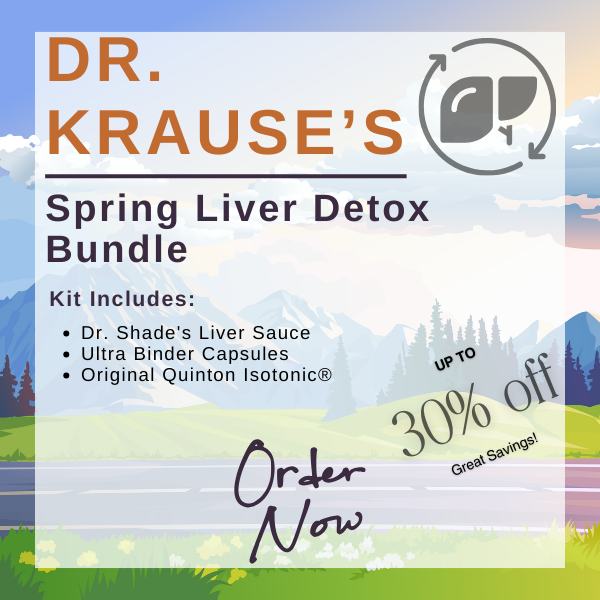
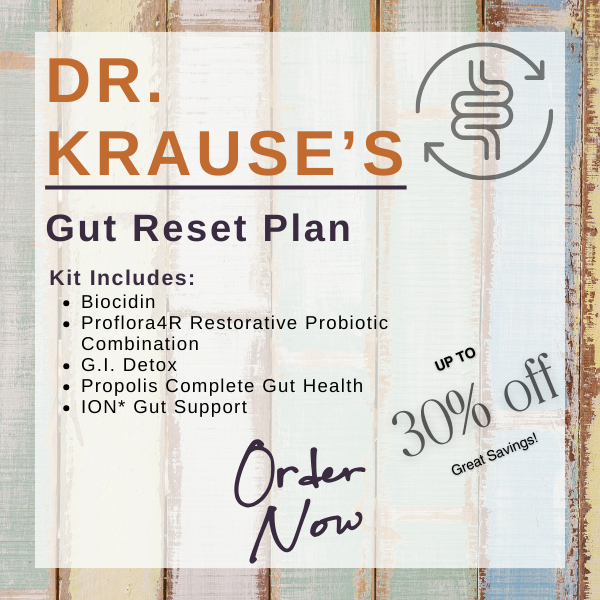
Traveling soon? Looking to detox or reset your gut? Try one of Dr. Krause’s Fullscript plans.
What You’ll Learn in This Episode:
- Why aging symptoms like dryness, fatigue, and inflammation are signs of yin depletion
- How Chinese medicine explains aging in 7-year cycles and what that means for your health today.
- Which foods actually support vitality, kidney energy, and hormone balance as you age.
- How movement, breathwork, and simple dietary shifts can help you age with more ease and energy.
Resources From The Show:
- Dr. Krause’s Healthy Aging Through The Wisdom of Chinese Medicine Guide that includes a list of Yin Foods
- Episode 471 with Dr. Angela Zeng – talking about mung beans and her Chinese Medicine inspired wellness drink line called Karviva
Don’t forget to hit subscribe and follow me on Instagram for more tips like you learned in this podcast!
Our Partners

Podcast Transcript
Chapters
00:00 Introduction to Aging Symptoms
06:57 Yin and Yang Energy Dynamics
12:40 The Role of Legumes and Grains
17:54 Fruits and Vegetables for Vitality
24:08 The Importance of Movement and Breathwork
29:59 Balancing Diet and Supplements
38:38 Conclusion and Resources
Jannine Krause (00:01.944)
Hey, health junkies, on this episode of the Health Fix Podcast, you get me, Dr. Jannine Krause. Today I’m gonna be talking about symptoms of aging. Like, noticing that your skin looks a little bit drier all over, or you’re noticing some fine lines and wrinkles, and you look in the mirror and you’re like, who is that looking back at me?
Yes, maybe you’re noticing you’re aging fast, you’re feeling like your joints are sore, you’re just achier than normal, you’re getting out of bed and feeling a little stiffer. That energy isn’t there, you’re not sleeping as soundly as you used to, you’re waking up multiple times a night, maybe you gotta run to the bathroom. If this sounds like you, just podcast this for you. So, interesting concept, and I’m gonna be talking about…
aging through the lens of Chinese medicine in this podcast because I find it fascinating. So every seven years, we go through an energetic change. We go through a transformation of sorts. And what’s fascinating is for women, the age of 49 is a seven year cycle. And every seven years, these physiologic changes happen.
Energy shifts different types of things are going on in the body every seven years and 49 of course is a big one because it’s coming on 50 the big five Oh and whether you’ve already hit the big five Oh or You’re into the big six. Oh, or you just hit 40. Here’s the thing every seven years There’s a transformation so we could take advantage of this and we could see it in like a really cool light
And as of the time of this recording of the podcast, I am 48 years old. And so I am thinking about, who, okay, seven years, we’ve got some change. And what’s also fascinating is in the year 2025, moving into 2026, we finished a nine year cycle. And a nine year cycle is a cycle of transformation and change as well, when it comes to your environment, what’s going on in the world, things of that nature. So.
Jannine Krause (02:18.894)
If you’re tracking with a seven year change coming up on being 49 and we just went through 2025 and you’re feeling like you’re aging faster than ever before, I feel you, there’s a lot going on. Know that it’s happening and that’s okay. So with this transition of getting older, what is getting older to Chinese medicine mean? Like how does it kind of play out? Well,
One of the big things is something called yin energy. So we have yang, which is fiery energy, and we have yin, which is cooling energy. And the cooling energy is what we start to decline on as we get older, men and women. But in particular, we talk a lot about menopause and perimenopause and really this drying out of our tissues, right? The eyes start to get dry, sometimes the hair gets dry, sometimes the skin, like I mentioned, dries. We get wrinkles with that drying. We get that creepy look.
And we also talk about night sweats and insomnia and these are all yin deficiency components. Especially when you’re thinking about hot flashes, this internal heat coming up, that is your body not being able to cool you. And what’s even more fun to think about is so this balance of yin and yang. As we get older, our kidney chi declines.
So kidney chi is we’re born with something called Jing Chi. Jing Chi is like our reserves. But kidney chi is like our batteries. What we can build up, what we can store in a day, what we can conserve. And if we’ve been living a fast lifestyle, we’ve been go, go, go, do, do, do, fill up the schedule, well, the kidney chi will decline because your batteries decline. If someone comes into me and says, doc, I’m really tired. I’m going to be like, OK, what’s draining your batteries?
I ask myself the same thing. And some days I will notice now as I’m getting older, I do get a little tired or little faster. And what that is, getting tired or faster means we’ve depleted our kidney chi a little bit. The good news is we can replenish it. so kidney chi, being our batteries, it comes with an element. The organs come with elements in Chinese medicine and water is the element of kidneys. And what goes with kidney chi is heart chi.
Jannine Krause (04:41.386)
So the element of the heart, fire. Well, fire is yang, right? The heart is a yang energy, the kidney’s yin energy. If we’re depleting our water and our fluid, our yin, we can’t put water out on fires. So what happens as we get older? Well, of course we’re gonna have maybe some hot flashes, maybe we’re gonna have some night sweats, we’re gonna feel warmer, we’re gonna dry out a little bit, but we could also have more anxiety.
We can also have more insomnia. Insomnia is a manifestation of not enough cooling energy putting out fires. And it’s literally the fires in the brain, brain inflammation. I’ve talked about this before. And what’s really even like next level interesting is inflammation. You hear lots of folks buzzwords, inflamaging, inflammation, and the da, da, da, da. All of that, what is that? That is the body drying out. It’s heated up.
Inflammation, we think about like we bump our hand on something. It turns red and it swells, right? That’s inflammation and whether there’s normal inflammation to help us heal, but then the chronic inflammation, that is deficiency of cooling fluid energy coming to an area to put out the fire. So the fire keeps smoldering. Now, if we even take it to the next level from there, chronic deficiency is a manifestation that happens with diabetes.
Diabetes in the ancient Chinese texts, it’s thirsting and wasting disease. Well, if you’re thirsty, you’re missing fluids. If you’re wasting, your muscles are wasting, your body’s wasting, you are having heat created within your body. That’s wild to think. And so what is like the foundation of inflammation that everybody’s talking about? What is the thing that causes Parkinson’s?
Alzheimer’s, dementia, anything you could stink and blame on it. Elevated blood sugar, sticky blood, having too high of sugar in your blood, insulin resistance. All of that is contributing to inflammation, inflamaging. And the Chinese figured this out thousands of years ago. And why are we just talking about it now? Well, I don’t know, but here I am.
Jannine Krause (07:01.602)
And I’m wanting to bridge this gap between Western medicine’s version of aging and ancient thought process on aging. It’s very similar. But the cool part about Chinese medicine that I love so much that we tend to try to complicate and we don’t have to, yin, cooling, yang, fire. You’re aging faster because you’re depleting your cooling energy. But not only that, you’re cooling fluid energy. What comes with fluid? Circulation.
You can sum up aging as poor circulation and lots of heat in the body. And you can reduce both of those things by doing a lot of things that you already know, but a couple things I’m going to talk about today that can really help out. And one of them I’m going to call myself out on because I have talked a lot about peptides. absolutely love them. I think they’re game changers. If you have your diet and nutrition down.
meaning you’re eating clean. But here’s the thing about eating clean, eating healthy, following the trends of what’s healthy. Right now, I’m realizing something big. And for a lot of people, this is something we need to think about. Everyone’s talking like protein, protein, we need protein, we need protein. And different gurus will give you different amounts of protein. Well, in my journey of just kind of
being N of one and experimenting with things, I’ve realized that I don’t need copious amounts of protein like I thought I did. In fact, my body is less inflamed when I don’t have these copious amounts of protein. And when I say copious, I’m talking about 40 grams per meal. So 120 to 150 grams of protein a day would be what one would think of in terms of
someone who weight lifts, someone in the body stature of mine, someone that weighs somewhere between 130 and 140 pounds. But here’s the crazy thing. So since I have microdosed tersepidide and cycled it, I’ve noticed that when I eat less, I actually really do feel better. And a lot of folks can argue this and say that, well, you if your metabolism was truly fired up, you could eat more. Maybe.
Jannine Krause (09:30.936)
But here’s the thing, what if I’m fine eating what I am, I’m not losing muscle and I feel good? We have to be questioning these kind of things because there are so many guidelines with which we are told, wait, you’re doing it wrong, you need more protein or wait, you’re doing this wrong, you need more. And I’m guilty of telling people this and confusing my own self. But what if you’re okay?
Like what if you feel good in terms of how you’re eating? What if when you overeat and let’s say meat proteins, let’s say animal proteins, what if you overeat animal proteins and you don’t feel good? This is something to really consider. And this is something I discovered. It’s also one of the big things that a lot of folks are talking about when we go into perimenopause, menopause, andropause if you will.
We need more fiber. Fiber is a yin type of food. Beans are yin foods and kidney beans and black beans in particular are kidney boosting. So not only is it yin, we’re boosting our batteries with the fibrous foods. And for a lot of us, we’ve avoided these foods because they’re high in carbs, but in reality they have a decent amount of protein. And so,
something spiked, I guess, from me doing the standard process 21 day cleanse, I realized that, wait a minute here. I actually feel better eating less animal protein and some plant-based protein. Now, a lot of you might be thinking, well, duh, a lot of people tout this. That’s correct.
But if you look at what everyone, you know, not everyone, but if you look at what a lot of folks are talking about right now, they’re talking about we need high protein, we need high protein. And for a lot of people that’s interpreted as meat protein or chicken or fish or bison. But then when we look at it, we’re like, wait a minute, some of us don’t do well on that much types of animal protein. Some of us do better with like a little bit more plant-based protein in there, especially if you’re not getting in fiber.
Jannine Krause (11:48.822)
So it’s something to think about. And I know that there are gurus out there, they base their whole concept of how to eat during perimenopause and beyond on this concept of beans. And I’m not anti-beans. I’m just calling myself out on that. Like I got into a loop of more animal-based protein. And when I did the standard process 21-day cleanse, I realized, I feel better when I don’t do as much.
And I also noticed with trisepatide when I don’t do as much protein because I’m not as hungry, I feel better. Now, chicken or egg is my less protein helping me de-inflame? Maybe. Is it less food as a whole helping me de-inflame? Probably. So at the end of the day, I’m finding it fascinating in terms of the unique intricacies here. Now, where do I take this protein concept with Chinese medicine? Well, what I wanted to really talk about is the concept of yin.
and what yin cooling fluid energy is and where we get it. Now beans, as I mentioned before, legumes, lentils, a lot of people think of soybeans when we think of something that can support estrogen or we think of it in a negative terms of like, I don’t want soybean because it may be processed or something of that nature. Now organic tofu can be actually beneficial for some folks.
Always want to know how we process our estrogens and things of that nature. But legumes as a whole, if you can get a hold of some and you can pressure cook them, it’ll make it a lot easier for you to digest them because that’s another big caveat that I hear from a lot of folks is we can’t digest beans well. And that’s true as busy, stressed out humans. Sometimes it’s hard to get those suckers in and the lectins. they’re so hard to digest those proteins on the outside of the beans. Now.
Here’s the thing, you can buy sprouted beans these days. You can make this more digestible for you. You can make beans much more digestible and you can titrate up the amount that you eat. Start with a tablespoon. Then the next day, another tablespoon. Then maybe in three days, try two tablespoons, tablespoon and a half. Teach your gut microbiome to tolerate them. Don’t hit it hard with like two cups of beans and expect your body to tolerate that. They’re not known as the musical fruit for nothing.
Jannine Krause (14:13.78)
They are harder to digest, especially the fiber. And that’s why we need to train our microbiomes. But the point is here is I’m going to fully admit that I’ve overlooked the concept of yin a little bit in terms of food. I went straight for the peptides and straight for the fancy things. And I’m not sure if I look at proteins fragments being peptides, right, and hormone replacement therapy being hormones. Are these yin or are they yang?
Well, it kind of depends on what’s going on here. Now, some people will argue that proteins are young and hormones are more yin. But at the end of the day, I think we want to step back from complicating all of this and really think about like, okay, peptides and hormones for aging and working on things are like high level. We want to get our food dialed in a little bit better.
And this comes a little bit from a lot of folks who aren’t tolerating hormones well, and then they try peptides and they don’t tolerate peptides well, and then we go back to digestion, and there’s some issues there. So we wanna be thinking, what kind of foods can help support us? Well, I mentioned the legumes, but also another food that’s kind of been not as cool on the cool list is potatoes, are the potatoes, and sweet potatoes.
I know some people tout them, but potatoes in particular, they’re on the list of autoimmune paleo and autoimmune wellness, you know, things to avoid because they are a nightshade. Chinese medicine doesn’t talk necessarily about nightshades. They talk about eating in excess. They talk about watching portions, things of that nature. What I’m gonna say is, if you’ve never noticed that you have an issue with potatoes, eating some here and there is probably not the end of the world.
It just becomes a problem, I think, for anyone on anything when we’re eating something on repeat. But things that grow in the ground, roots, tubers, these kind of things are yin foods. So like I’d mentioned, sweet potatoes, yams, potatoes. We may be thinking we need to avoid carbs, but what if it’s more the processed stuff, not the actual closest to nature things? And I want to call folks out on that because I have a lot of folks who
Jannine Krause (16:36.194)
when they think of carbs, they think of all of them, but they tend to forget about the roots and the tubers. Now, kohlrabi and rutabaga, these are also great tubers that can help nourish you. And we just kind of skim over them. Even celery root is lovely in a soup and it’s incredibly nourishing food. Another big yin food that…
maybe folks aren’t talking about as much would be in terms of root veggies would be things like beets, kutsu. I don’t even know if I say that right. So if you want to correct me on that, by all means, go for it. But these are roots that you can, mean beets, easy to find, kutsu is a little bit different, but things that maybe we want to think about, like, I don’t think anyone ever ended up getting diabetes because they ate to me beets.
or bananas or tomatoes or even fruits for that nature or for that manner. So I really do want you to take a moment and think about these different foods. The other biggies like seaweed, chlorella, spirulina, these microalgae are incredible in boosting foods. I had the owner of Energy Bits on probably over a year or two ago now, but Energy Bits are incredible. Chlorella and spirulina paste little.
bits of microalgae that are incredible for your yin. And they have lots of minerals in them as well. And you know, it’s also why green drinks like AG1 and different ones out there are so popular. They do boost your yin
Amaranth, black sesame seeds, black sesame seeds in particular are incredible for kidney boosting. Rice, barley, and barley gets a bad rap because it’s a gluten-based grain. In Chinese medicine, even wheat and wheat germ are considered nutritive, but here’s the thing. I do believe that the hybridization and manipulation basically of the modern wheat has caused troubles for us. In addition to glyphosate, the chemical helped to…
Jannine Krause (18:59.938)
Well, don’t don them to help them be harvested. I don’t think that’s doing anyone any favors. But if you can find a farm that’s never used chemicals in the growing of their wheat and they’re using ancient wheats or old school wheats, if you will, there’s a there’s a company just outside of my by my dad’s house called in Racine, Wisconsin area called Anarchy Acres. And I love what they’re doing. Like growing on
land that’s never been used as a farmland and they’re growing the wheat, they’re harvesting it themselves, they’re milling it themselves, it’s amazing stuff. So you want to support folks that are using wheat grains that are from the 1900s, early 1900s, that’s what they’re doing from Wisconsin based grains, it’s super cool. And so if you look at Chinese theory, wheat and wheat germ, great yin,
boosting foods, but we’ve kind of avoided them. And millet, that guy gets a bad rap for making trouble for the thyroid. And you would have to eat so much to cause trouble. And so we’re missing out on some really good fibrous grains and seeds. know, quinoa, amaranth, those guys are more like seeds than they are grains. But hey, there’s some incredible ways to be able to use these things.
And last but not least, one of my biggest, biggest aha moments I had over the last two weeks is talking with a friend in Oregon who was looking for a remedy to help her lungs. Cause she had gotten a nasty bug and was coughing quite a bit. And it was just a dry nagging cough. And she found Asian pears. You could saute them and like eat and drink the sauteed juice. So you just sauteed them in water and
She was like, my gosh, that actually helped my cough. And so here’s the crazy thing. Asian pears are one of the most nutritive yin foods. Now she didn’t even use an Asian pear, she used a regular pear. Same thing. Persimmons, grapes, berries, bananas, watermelon, and pomegranates are all known to help during perimenopause and beyond. Pomegranates in particular are amazing for hot flashes. And I will be honest, I haven’t recommended them as much because, well.
Jannine Krause (21:22.042)
I just forget and it’s sad that I’ve kind of gone a little bit off of my roots with food because I absolutely love talking about Chinese medicine and food properties. I even just had a patient last week message me on an article about drinking around three to four ounces of pomegranate juice, obviously no sugar in it, a day for a couple of years to help some folks to lower their plucking in their arteries. Like these were folks who had demonstrated
placking in their arteries and it helped and It’s like wait pomegranate is an incredible antioxidant and it’s a yin supporting Berry well, it’s not really a berry The little seeds look like berries. I think that’s where my brain went on that. So forgive me But nevertheless pomegranate is high in antioxidants and that makes sense and it’s really cool that that would be something that would help the arteries and this kind of research gets buried all the time
Like I get it, drinking pomegranate juice every day for three years could probably be annoying and maybe it’s expensive, but I don’t know. For me, it’s like that versus taking a pill. I’d rather drink my medicine. So, interestingly enough, high antioxidant, like some antioxidant rich fruits and vegetables really are the ones that have more yin in them.
something to really pay attention to and protein sources. Now, one of the ones that are great for kidney energy are more of your like oysters and sardines and clams. So
Clams, I can’t do it either. I’ve tried having lived in the Pacific Northwest, but boy, if those get any amount of seaweed stuck in them or sand, I can’t do it. I know restaurants don’t have it like that, but I’ve had some at some friends’ houses and so gross. And then there’s oysters. Oysters can be great too if you’re down with that sort of thing. They’re also really rich in zinc, which is great for balancing hormones.
Jannine Krause (23:47.2)
as well. So something to think about. Of course, we have to think about copper if we’re going to do the oyster. So a little bit of almonds to offset it with some oysters. Almonds are rich in copper. So are meat sources and things like liver and those sorts of things if you can find a clean animal in that department. But I digress. Point here is not that I had overlooked the animal sources. I was more thinking about pears, persimmons, grapes, berries.
Stuff that you just don’t think of on an everyday basis is something that can help with the cooling energy and the circulation in the body and putting out fires in the body. Same thing goes with the seaweeds, the chlorella, and the spirulina. So don’t ignore these things. Think about how you could add them in. There used to be a company, I don’t know if they’re still around, but they had a fun little sprinkle of spirulina. They were from Hawaii and it tasted good as sea salt and.
pepper and the spirulina and you could sprinkle it on top of food, it was yummy. Same thing goes for not forgetting about the ancient grains like the millet, the quinoa, the amaranth, those kind of things. They can be incredibly helpful. So you might be thinking at this point, well, what’s the dosage of these things and should I get them sprouted? Absolutely, I do think sprouting your grains or seeds is incredibly useful.
I also think like your beans as well, getting them sprouted. I didn’t highlight these and I really need to. Mung beans, by the way, amazing source of fiber and yin. And in fact, they are one of the greatest type of beans out there when it comes to overall perimenopause and amenopause and beyond kind of health. And the reason being is because they’re great for yin, but they also drain damp.
dampness in the Chinese medicine is extra weight, extra puffiness if your lymphatic system is bogged down. Meng beans are amazing for that. And then the other side of it is aronia berry. These berries live in like St. Louis in like the wild, which is crazy. But aronia berry is something that the Chinese use quite a bit. And I also had a gal on the podcast who has a,
Jannine Krause (26:09.678)
Chinese medicine based drink company. And of course I can’t remember the name of it right now to save my life. I will put it in the podcast notes at drjcrossnd.com and I’ll link to that podcast. But she had a drink with aronia berry and mung beans in it. And it didn’t taste like just straight berry and mung bean. I it was actually really good. It tasted much like, well, a little sweeter version of pomegranate. Hmm. But aronia berries have also been found to be incredibly beneficial for your circulation.
And side note, in Chinese medicine, if anything has the color of like blue, purple, or red, it is touted to be really good for your circulation, so your vessels. And if it has more of a color of a dark blue or a black, it is good for your kidney energy. And where did this come from? The idea is because the colors that go with the elements. And like, you could probably blow lots of different holes in that kind of rationale, but.
Like I said before, I have seen people regain energy and vitality by incorporating these certain foods into their life. And while mung beans are still green in color and kidney beans are still red in color, black beans are black and they’re touted to help with the kidneys just as much as the old kidney bean. So what’s the point here? There’s different colors on these things. Those colors are really the antioxidants.
and you can’t go wrong with antioxidants. So that’s where I really stand on all of this to not try to have you thinking about different rabbit holes in terms of what colors or foods are gonna do what for you. But think about is if the food has a color and it’s a natural color, it’s not a dye, you are gonna get an antioxidant out of that and it can help your body big time.
So when it does come to yin foods, yes, I am a big fan of finding them sprouted. And a lot of companies have the grains sprouted these days and beans sprouted these days. And you can find that from Thrive Market online to even grocery stores all over the US. You just have to look in the different departments and see what they have. More often than not, you’re gonna find it more on the West Coast than you do in the Midwest. So if you’re in the Midwest and you’ve…
Jannine Krause (28:24.878)
peruse your grocery stores and you can’t find sprouted things, go to Thrive Market, go to Amazon, you’ll find sprouted grains, you’ll find everything from sprouted rice to sprouted millet and quinoa and all the things. So why am I so big on sprouting? Because your digestive system does better when things are sprouted. And back in ancient times, they would sprout these grains and things before they did eat them. And then, know, modern lifestyle, it’s kind of a pain in the butt when it’s like you read the label, it’s like,
wash the beans and then soak them for a certain amount of time and you’re like, I’m just gonna cook these and hope everything goes well. Well, it’s better if you buy them sprouted, because then they’re kind pre-digested for you. Of course, taking care of your gut is a big deal and that’s one of the ways and that’s really what we wanna be thinking about through the lens of Chinese medicine, but also what you hear every day from folks talking about, you know, taking care.
of your gut, you do want to make sure that you are paying attention to one, portions that serve you. And so back to what I was mentioning before about me realizing I was eating way more protein than my body really wanted or could handle. And this may be why some people do gain weight when they’re trying to eat more protein and eat healthier. Their body just simply can’t digest that food. Now,
You’ve probably heard me in previous podcasts if you’ve been listening for a while, we’ll take some digestive enzymes to help you out. Okay, you could. Absolutely. But let’s look at this here. Do you wanna be taking supplements before every single meal? I don’t know about you all, but I’m gonna be 100 % honest.
I’m getting sick of taking a lot of supplements. And if I have to take something before each meal, that’s getting to be annoying now. And if I look at it, if I can slow down on the portion that I eat, is that a bad thing? As long as my meals are nutrient dense, if my portions are less, is that a bad thing? I don’t think so. I look at my dad who’s gonna be 90 this year and he eats small portions.
Jannine Krause (30:37.196)
And if I’m making food for him, he’s gonna be eating a lot better than when he eats on his own when he’s left to his own devices. But if you look at the Blue Zones, you look at how meals are structured as you’re looking at, an Asian style meal, or you’re looking at even meals in Sardinia, which is considered one of the Blue Zone areas, they’re very.
balance in terms of the grains, legumes, veggies, this is, and proteins. And this is why I think the Mediterranean diet really is a nice, well-rounded diet. It’s got a lot of antioxidants, got a lot of oils coming from fish, which is another yin boosting food. It’s got grains, it has tubers. And so the truth is like, yeah, if I look at Mediterranean diet, it does fit the yin supporting the cooling, the blood flow.
all of that for your body. The key kicker here is how much do you really need? And this is where I’ve loved using Teres Appetite as a teacher to help me to regulate my portions and be like, whoa, girl, you’re eating way too much. And I really think now looking at everything, I was probably eating like a portion to a portion and a half too much for myself now.
I’ve also noticed that the less you beat up on your gut, and the Chinese will talk about this too, stopping eating when you’re about 80 % full. And for a lot of people, they look at me like, dear in the headlights, like what, I don’t know what, I don’t know how to feel full. You might have to teach yourself. And that’s where I would say things like, turns up, it’s like, can come in and help you as a teacher. Now granted, I said in this podcast, we’ve got to go back to basics. And yes, I agree that we do need to look at.
the food that we eat and kind of slow down a little bit. But if you’re having trouble with the food noise and slowing down to really pay attention to what you’re eating isn’t happening, maybe terzapotide, maybe retratotide, maybe KPV might be useful to help just slow the brain down a little bit so that you can look at and assess the situation. At the end of the day, I do think smaller amounts of food may be the secret here. And just smaller, well-rounded
Jannine Krause (32:56.312)
more balanced meals, maybe even more of the kicker because we’re feeding our beneficial bacteria. Now another thing about potatoes, they’re yin food, but you can also make them in the style that you’re gonna make potato salad and that creates resistant starch, w
Yes, they’re actually edible and nutritious. You can throw them into smoothies and things of that nature as long as you got a good blender. Interesting, right? And you can feed your beneficial bacteria with these things. targeting your beneficial bacteria in ways that maybe you haven’t thought about before using foods that are more yin boosting. Because remember I said bananas are a yin food. Potatoes, yin food. Hmm, something to this here.
All right, now another side note to food is in one of the things that, know, we’re always told like, sugar’s bad, avoid sugar, avoid processed foods, avoid chocolate in excess, avoid excessive fruit. Why? Bacteria and yeast can live off of excessive amounts of these things. But here’s the other kicker on it. Too much chocolate c
I’ve often noticed that if I eat too much chocolate, like I go on a chocolate bar binge and I’m like, this chocolate’s so good, I’m eat the whole bar. Well, I often get a headache. And I don’t know about you all, I’ve heard from other patients that that can be the case or a stomach ache or things of that nature. But I’ve also noticed when someone relies on chocolate, because it’s like their favorite thing and they eat it every night, sometimes it is harder to get weight off. And I think about the caffeine and the yang fireiness.
I think about the sugar in it. I also think about being addicted to sugars and maybe even alcohol. These are all yang and hot and fiery things. Processed foods are all considered to be fiery and hot and yang because they’re easy to digest. We burn through them fast, but they also have dyes and stabilizers and things that anything chemical is gonna be considered yang in the Chinese medicine space. And so just looking at
Jannine Krause (35:21.304)
food in general, it makes sense why we would want to be eating cleaner, but we want to be thinking about, how do we get off the sugar or at least minimize it? How do we get off the fake sugars? Those aren’t going to be any better. You know, how do we adjust this? And I think it’s one of these things where it’s one day at a time and we’re really taking a good inventory of what’s going on.
Also taking it through the lens of yang because many folks will have poor night’s sleep after processed food, after too much meat, after too much sugar, after too many grains. Take note. If you go out to dinner, what happens that night? You might be in a food coma when you first get home, but then you wake up at two, three in the morning. Same thing goes with alcohol. So watch these things. Take note. It is so incredibly important to take note.
What ends up being things that quote, make us sick and give us illness? Too much sugar, diabetes, right? Or inflammation, joint pain, all young. Too much caffeine, heart racing, things with the nervous system, all heat, heart. That is a young organ, all of the hot stuff. So I want to make that connection for you that we want to be thinking about how we can keep that balance between the hot and fiery and the cool.
Check I know for a long time my my mother-in-law was always like I’m gonna have a glass of wine for for dinner and You know cuz wine was always you know considered good and a lot of the people in the blue zone strength wine and this and that but How much wine? When the whole wine glass or just a little bit Interesting concept try it out. See how much wine feels good and see how much doesn’t if you’re a wine drinker
What amount can you drink and not wake up at night? We’re all different. So it’s a fun and interesting conversation to think through in terms of what heats you up. There are so many women in my practice that we’ve cut out sugar and guess what? They sleep through the night or put sugary things earlier in the day and they sleep through the night. It’s wild. Same thing with chocolate. I just.
Jannine Krause (37:44.422)
mind-blowing when we go back to food. so healthy aging really does start at looking at what’s going on with the food as a whole. You really, really do want to pay attention to the basics and don’t skip over them and try to jump to the hormones or peptides as a band-aid. We really do need to dial down what’s going on in our guts. And if we’re looking at our guts, we have to look at how the bowels look.
If we have dry stools, meaning like little pellets, like rabbit pellets, we’re either dehydrated, so we’re definitely drying out, or we need more yin cooling foods. We need more fiber. We need more beans. We need more seeds, grains, maybe spirulina, chlorella. We need to think about.
because I’ve, so many people, I’ve given hormones and it hasn’t changed their bowels at all. And terzapotide and the peptides that are for weight loss, the GLP1s, or the GLP3s, even the ritratetide, it’s not going to help the bowels, unfortunately, in terms of making them more moist for most people. Some people do have looser bowels on terzapotide, but it’s few and far between. So we wanna get the gut dialed in. And…
If you’re gonna be cycling peptides, each time you cycle off the peptides, work on the big time to help you. It’s really important. So the other biggie with fluid and yin is movement, breath work, and Tai Chi and Qigong, and moving slowly in such a slow manner. You think that you’re not, you know, you’re doing it. It’s like so slow that you feel like it’s just,
unnatural. I was recently challenged by my pal Dr. Brianne Grogan to move in a way like an intuitive kind of dance move, but move incredibly slow. She’s like slower than you think you should. It was crazy. I actually went into like a yoga pose or stretching because I realized I don’t know how to actually move in a fluid manner very slowly unless I’m stretching or doing yoga.
Jannine Krause (40:06.466)
I don’t know about you all, but something interesting to think about. And so this is why Tai Chi, Chi Gong, Kung Fu, a lot of the different martial arts, exercising martial arts, are so popular in Asian countries is because it is helping with circulation. And it’s helping with the Chi and boosting kidney Chi. So fascinating. And so I really encourage you to play a little bit with seeing how
You could just take a moment, just kind of relax out and see if you can move some body part really slow, just where you’re called to. Like maybe you’ve got aches or pains. For me, it’s usually my right hip and my low back. If I can just move really slowly in my hip and just kind of do like a hip circle or move just my hip joint a little bit and move slow, it’s
Fascinating where the body’s like, yes, right there. Okay, move right there at that angle. And you just kind of move to that point and then you go a little bit and then you go a little bit more. I don’t know, it’s fascinating something to your routine up a little bit when it comes to mobility. And instead of just banging out like a foam rolling session, consider doing a little bit of intuitive dance with your body to see where it wants.
to move and what joints want to move and in what directions and what manners. It’s fascinating. And you’ll have to try it a couple times if you’re like me because I’ll be honest, I took like three times before I could really do it well. So thanks to Dr. Brian Grogan to really inspire me to do it. So I challenge you all to try it out and see what you think. So.
I have a guide that I created kind of basically talking much off of what I’ve presented today because I think it’s really important to be able to have an actionable like take home guide from some of my podcasts because I’ve been told I just spew a lot of information and some of you may be driving, some of you may be walking while you’re listening to this and it’s a little bit harder to take notes and let’s face it.
Jannine Krause (42:24.844)
There’s a lot of podcasts to listen to, so trying to go back and listen to all the details just isn’t gonna happen. So I created a guide, Healthy Aging Through the Wisdom of Chinese Medicine. And so if you are interested in grabbing this guide, you can click the link in my podcast notes at drjcrossnd.com or below here if you’re watching on YouTube or anywhere you got your podcasts and take a look at that.
See what you think. I’d love to hear your comments, your thoughts, if there’s anything that you found to be incredibly helpful, or if you are diving into Chinese medicine, you’re like, really love learning about this topic and I wanna learn more, let me know. I love talking about Chinese medicine and especially through the lens of healthy aging. And also,
I talk a lot about peptides. Peptides are a volatile industry. And so if I end up not being on Instagram or social media, the best place to stay in touch and figure out what I’m up to is here on the podcast and making sure that you can find out about masterclasses and things of that nature. If you get on my email list, you can do that at Dr. Spelled Out, J-K-R-A-U-S-E-N-D.com.
And that way you won’t miss out if anything happens just because it is that time where it’s a little volatile with the peptides. But for now seems that I can stay on Instagram, but you never know. anyway, I hope that this has helped you to learn a little more about Chinese medicine. And I am here to keep putting things through on that level. And yeah, if you enjoyed this podcast,
Please help me out by liking and subscribing to the channel and send any great comments or anything else you’d like to learn about in the notes below. Thank you, have a great day, whatever you’re doing.